Is the Dalai Lama Truly a Beacon of Peace? Arunachal CM's Tribute
Synopsis
On December 10, Arunachal Pradesh CM Pema Khandu honored the 14th Dalai Lama, calling him a 'true beacon of peace' during celebrations marking the 36th anniversary of his Nobel Peace Prize. This day also highlights the Dalai Lama's enduring message of compassion and the importance of human rights.
Key Takeaways
Pema Khandu honors the 14th Dalai Lama's legacy.
December 10 is celebrated as International Human Rights Day .
The Dalai Lama advocates for compassion and non-violence .
Tawang is a crucial center for Tibetan Buddhism.
The Year of Compassion aligns with the Dalai Lama's 90th birthday.
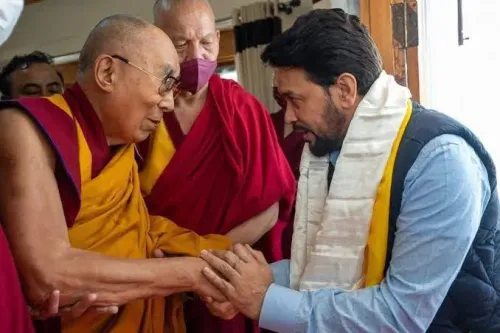
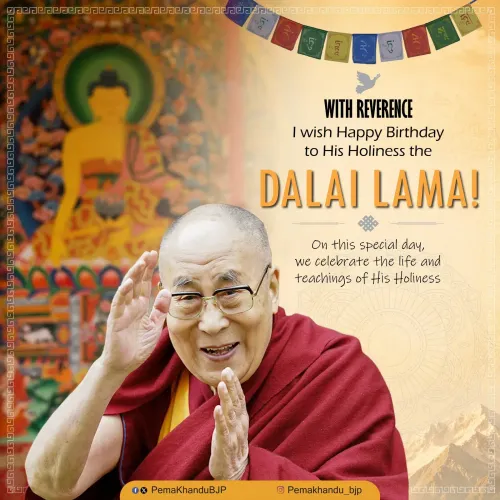
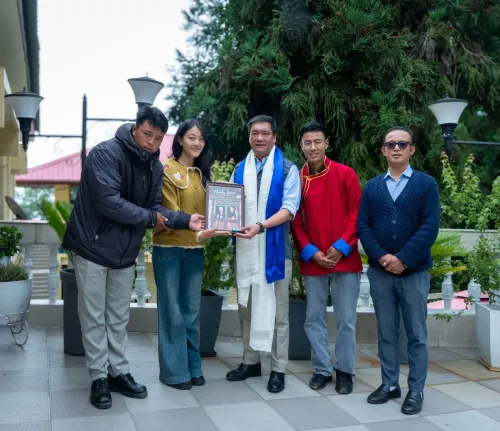
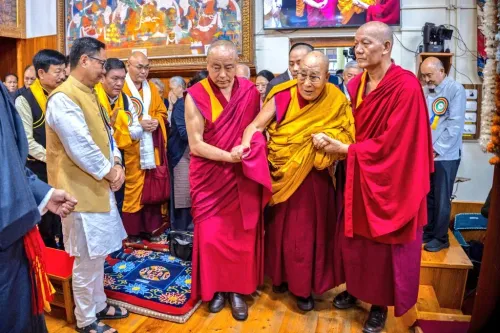
Itanagar, Dec 10 (NationPress) The Chief Minister of Arunachal Pradesh, Pema Khandu, on Wednesday, hailed the Tibetan leader, the 14th Dalai Lama, as ‘a true beacon of peace’, offering heartfelt tributes to this revered spiritual figure.
In honor of the 36th anniversary of the Nobel Peace Prize awarded to the Dalai Lama, the Tibetan government-in-exile marks December 10 each year as International Human Rights Day. This year, they are also celebrating it globally as the “Year of Compassion” in commemoration of the Dalai Lama’s upcoming 90th birthday.
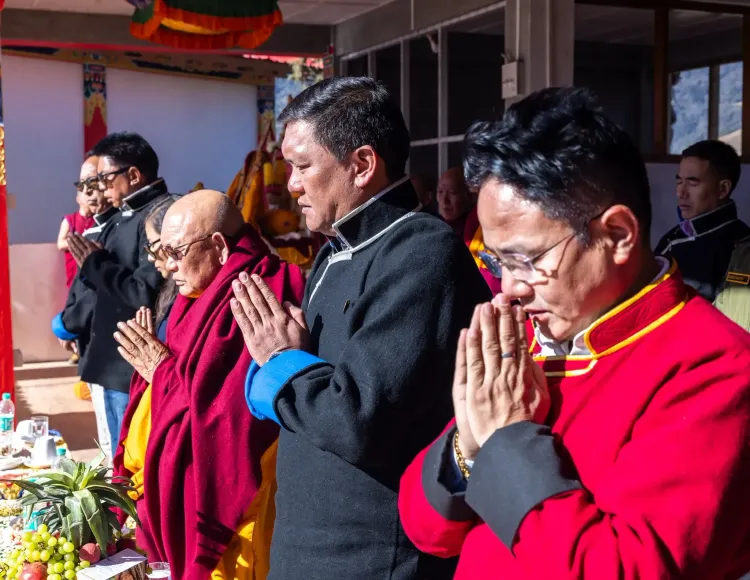
Chief Minister Khandu noted that celebrations were taking place at Chamleng, within the Tawang Monastery, and emphasized the lasting importance of the Dalai Lama’s teachings on a global scale.
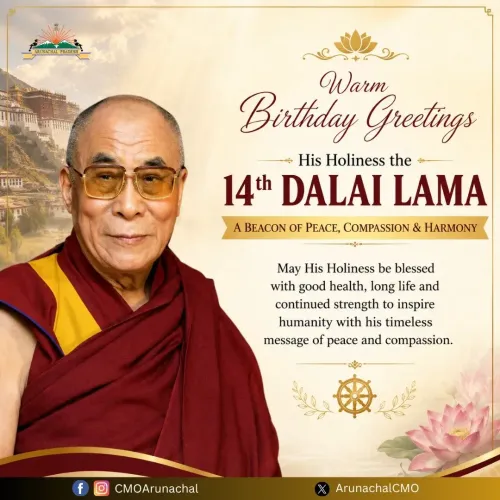
Through his official X account, Arunachal’s Chief Minister stated: “Celebrating the 36th Anniversary of the Nobel Peace Prize awarded to His Holiness the Great 14th Dalai Lama at Chamleng, Tawang Monastery. A true beacon of peace, may His Holiness’s timeless message of compassion and harmony continue to spread across the world.”
In a subsequent post on X, Khandu expressed: “On this sacred day marking the 36th Anniversary of the Nobel Peace Prize conferred to His Holiness the Great 14th Dalai Lama, may we nurture the spirit of Ahimsa within ourselves, guiding our thoughts and actions, reminding us that peace begins with how we treat each other. Long Live His Holiness.”
The Dalai Lama was awarded the Nobel Peace Prize in 1989 for his unwavering commitment to non-violence, compassion, and peaceful dialogue.
This anniversary is particularly significant in Arunachal Pradesh, especially in Tawang, a major center of Tibetan Buddhism in India, which shares profound spiritual and cultural bonds with the Dalai Lama.
In 1959, Chinese forces crushed the Tibetan national uprising in Lhasa, compelling the 14th Dalai Lama and over 80,000 Tibetans to seek refuge in India and neighboring nations.
Upon reaching India after a perilous three-week journey, the Dalai Lama resided in Mussoorie, Uttarakhand, for about a year.
Presently, the Tibetan government-in-exile operates from Dharamsala, where a Tibetan community lives in exile with the Dalai Lama, striving to maintain their fight for full autonomy in their homeland, Tibet, currently under Chinese rule.
Point of View
It is crucial to recognize the significance of the Dalai Lama's teachings and the impact of leaders like Pema Khandu in promoting peace and harmony. This tribute not only honors a revered figure but also serves as a reminder of the ongoing struggle for human rights. It fosters a spirit of compassion that resonates with all of us, emphasizing how our actions can shape a better world.
NationPress
20 Sept 2026
Frequently Asked Questions
Who is the 14th Dalai Lama?
The 14th Dalai Lama, Tenzin Gyatso, is a Tibetan spiritual leader and the highest authority of Tibetan Buddhism, awarded the Nobel Peace Prize in 1989 for his commitment to non-violence and compassion.
What is the significance of December 10th?
December 10th marks the anniversary of the Dalai Lama receiving the Nobel Peace Prize and is celebrated as International Human Rights Day by the Tibetan government-in-exile.
Why do we celebrate the Dalai Lama's birthday?
This year, the Dalai Lama's 90th birthday is being celebrated as the 'Year of Compassion,' emphasizing his enduring message of peace and kindness.
What is the relevance of Tawang Monastery?
Tawang Monastery is a significant center of Tibetan Buddhism in India, deeply connected to the Dalai Lama and Tibetan culture.
What does Ahimsa mean?
Ahimsa is a principle of non-violence and respect for all living beings, often associated with Buddhism and Hinduism.