CM Pema Khandu attends Indigenous Youth Festival at Seppa
Synopsis
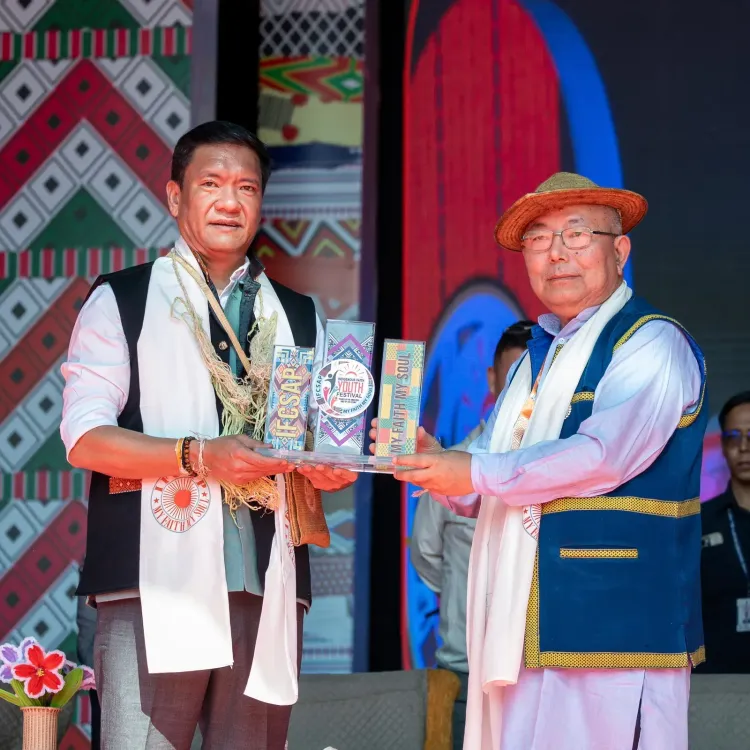
Arunachal Pradesh CM Pema Khandu attended the Indigenous Youth Festival 2026 at Seppa on 12 November, celebrating the state's tribal cultures and traditions. Padma Shri Nivedita Bhide, President of Vivekananda Kendra, also graced the occasion.
Key Takeaways
CM Pema Khandu attended the Indigenous Youth Festival 2026 at Seppa , headquarters of East Kameng district, on 12 November 2026 .
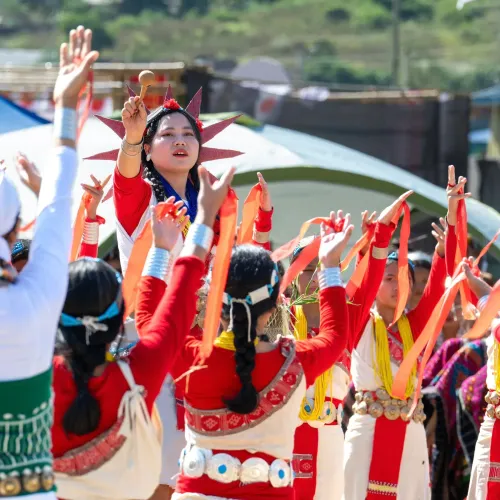
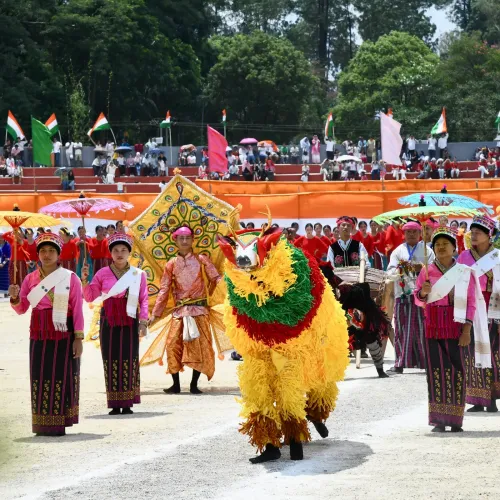
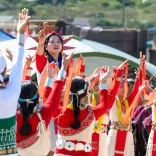
The festival brought together multiple indigenous communities of Arunachal Pradesh, each presenting its distinct cultural heritage on a common platform.
Padma Shri Nivedita Bhide , President of Vivekananda Kendra, Kanyakumari , was a notable guest at the event.
Arunachal Pradesh is home to over 100 tribes , and state governments have periodically backed festivals to celebrate and preserve this diversity.
Vivekananda Kendra has maintained longstanding educational and cultural outreach across Northeast India, often in alignment with state initiatives.
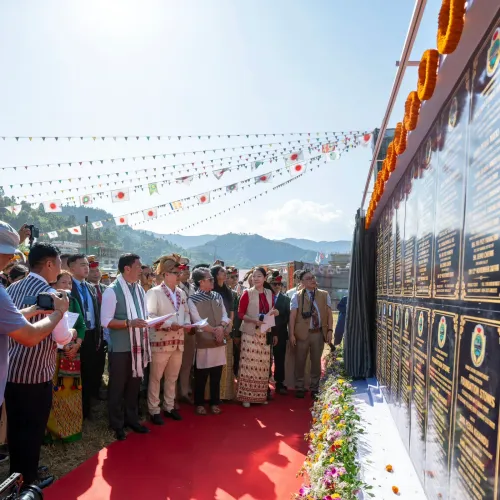
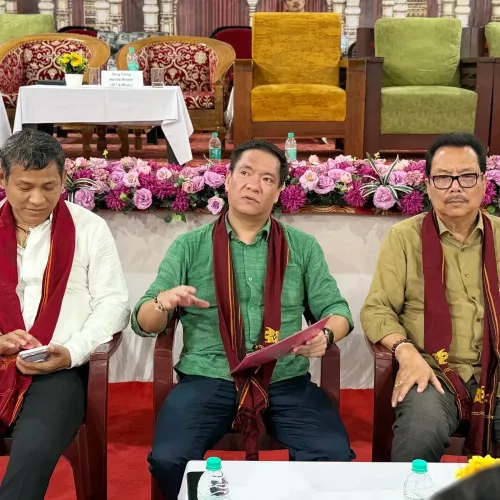
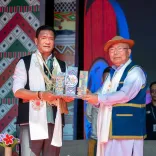
Dozens of Arunachal Pradesh's tribal communities converged on Seppa on Thursday, 12 November 2026, for the Indigenous Youth Festival 2026 — a vivid showcase of the state's layered indigenous faiths, cultures, and traditions that brought Arunachal Pradesh Chief Minister Pema Khandu to the East Kameng district headquarters to witness the gathering firsthand.
Seppa as a stage for Arunachal's tribal mosaic
Seppa, the headquarters of East Kameng district, sits at the confluence of several tribal belts in central Arunachal Pradesh, making it a fitting setting for a festival designed to place every community's distinct heritage on a single, shared platform. The state is home to over 100 distinct tribes, each carrying languages, rituals, and oral traditions that rarely share a stage — the festival's core ambition is to change that, at least for a day.
CM Khandu described the gathering as 'a truly impressive moment' and called the sight of indigenous communities arriving with their unique cultural heritage 'magnificent.' The post, marked 1/2, signals further details are to follow, suggesting the event carried programmatic depth beyond the ceremonial.
Nivedita Bhide's presence and Vivekananda Kendra's Northeast roots
A notable highlight of the occasion was the attendance of Padma Shri Smt. Nivedita Bhide, President of Vivekananda Kendra, Kanyakumari. The Kendra — a spiritual-cultural organisation anchored in Swami Vivekananda's ideals — has maintained educational and cultural outreach across the Northeast for decades, often working in close alignment with state governments to document and revitalise local heritage. Bhide's presence at Seppa underlines the festival's intent to connect Arunachal's tribal identity with a broader national cultural conversation.
A pattern of state-backed tribal cultural events
Arunachal Pradesh governments have periodically supported festivals and platforms designed to spotlight the state's extraordinary tribal diversity. These events serve a dual purpose: cultural preservation for communities whose traditions face the pressures of rapid modernisation, and a soft projection of the state's unique identity within India's federal cultural landscape. The Indigenous Youth Festival fits squarely within that tradition, with an added emphasis — as the name signals — on passing heritage to younger generations.
What makes the 2026 edition at Seppa worth watching is the combination of a sitting Chief Minister's direct participation and the involvement of an organisation with deep institutional roots in the region. That pairing often precedes expanded state partnerships — in youth programmes, school-level cultural curricula, or district-level replication of the festival format.
Point of View
A pattern evident across several BJP-governed frontier states. For a state where indigenous faith systems and tribal identities remain both electorally significant and genuinely fragile, state-backed festivals serve as both policy instruments and political gestures. The '1/2' thread marker suggests a fuller programmatic announcement may follow, worth tracking for concrete commitments to youth cultural education.
NationPress
12 Nov 2026
Frequently Asked Questions
What is the Indigenous Youth Festival 2026 in Arunachal Pradesh?
The Indigenous Youth Festival 2026 is a cultural event held at Seppa in East Kameng district of Arunachal Pradesh, bringing together the state's tribal communities to showcase their distinct indigenous faiths, cultures, and traditions on a common platform.
Where is Seppa located in Arunachal Pradesh?
Seppa is the headquarters of East Kameng district in Arunachal Pradesh, situated in the central part of the state and surrounded by several tribal communities.
Who is Nivedita Bhide and why was she at the festival?
Nivedita Bhide is a Padma Shri recipient and President of Vivekananda Kendra, Kanyakumari, a spiritual-cultural organisation with longstanding educational and cultural outreach in Northeast India. She attended the Indigenous Youth Festival 2026 at Seppa as a distinguished guest.
What is Vivekananda Kendra's role in Northeast India?
Vivekananda Kendra is a cultural-spiritual organisation inspired by Swami Vivekananda's ideals. It has maintained educational and cultural projects in Northeast India for decades, often partnering with state governments on heritage and youth programmes.
How many tribes does Arunachal Pradesh have?
Arunachal Pradesh is home to over 100 distinct tribes, each with its own language, rituals, and traditions, making it one of India's most ethnically and culturally diverse states.