CM Pema Khandu Pledges to Transform Leparada District
Synopsis
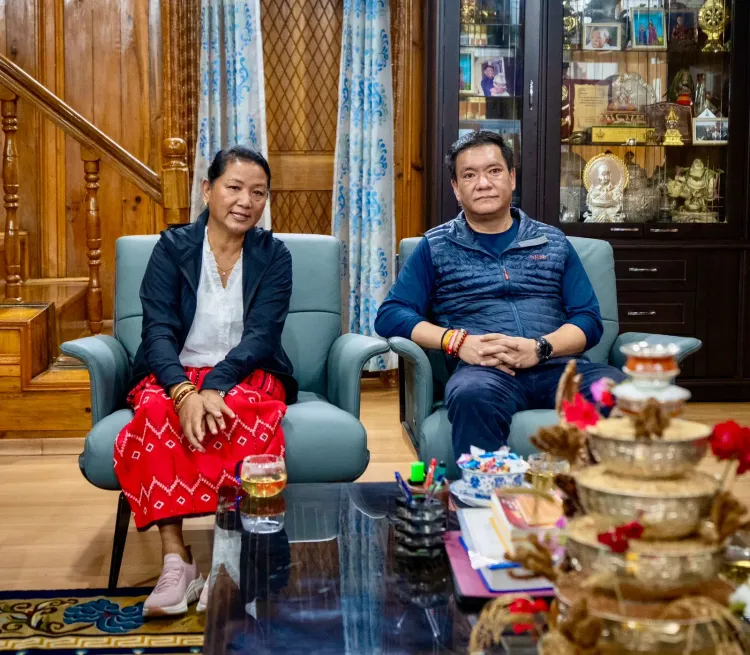
Arunachal Pradesh Chief Minister Pema Khandu met Leparada district leaders on 31 July 2026, pledging to prioritise roads, power, clean water, healthcare, and education, and confirmed a December 2026 visit to the Galo-community district.
Key Takeaways
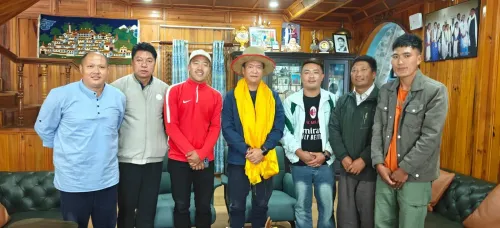
Pema Khandu met ZPMs, panchayat leaders, and community representatives of Leparada district on 31 July 2026 .
The CM identified five development priorities: roads, power, clean water, healthcare, and education.
The meeting was led by MLA Smt.
Nyabi Jini Dirchi , the elected representative of the Leparada constituency.
Leparada district was created to improve administrative reach for the Galo community in Arunachal Pradesh.
Khandu confirmed a planned visit to Leparada in December 2026 , which will be watched for project or scheme announcements.
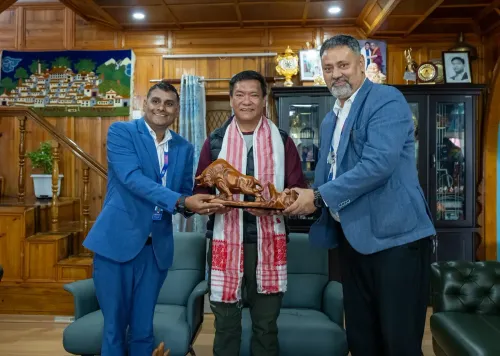
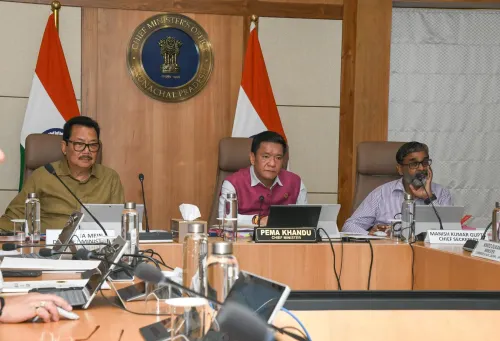
Arunachal Pradesh Chief Minister Pema Khandu is taking his government's development agenda directly to the grassroots — and Leparada district is the latest frontier. On 31 July 2026, Khandu met with Zilla Parishad Members, Panchayat leaders, and community representatives from Leparada, signalling a hands-on push to close the infrastructure gap in one of the state's newer administrative units.
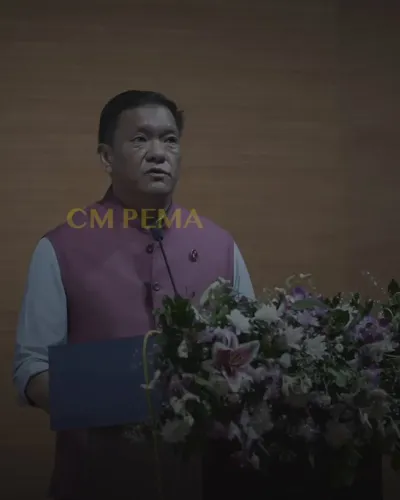
Khandu framed the meeting in unambiguous terms: 'Real development begins with the fundamentals.' Roads, power, clean water, healthcare, and education — the five pillars he named are precisely the areas where remote tribal districts in Arunachal Pradesh have historically lagged behind the national average. The interaction was led by MLA Smt. Nyabi Jini Dirchi, the elected representative of the Leparada constituency, grounding the outreach in local political accountability.
Leparada's Place on the Development Map
Leparada district was carved out to bring administration closer to the Galo community, one of Arunachal Pradesh's significant tribal groups. The logic of its creation was straightforward: smaller districts mean shorter distances between citizens and government services. But administrative reorganisation alone does not build roads or light homes — that requires sustained budget attention and political will.
Arunachal Pradesh has long depended on a combination of state funds, central scheme releases, and border-area development programmes to push infrastructure into its remote valleys. Successive governments have used ZPM and panchayat-level consultations to map on-ground gaps — a practice Khandu is continuing with this Leparada engagement.
A December Visit and the Galo Welcome Ahead
Khandu announced he looks forward to visiting Leparada in December 2026 — a visit that will be closely watched for concrete project announcements or scheme launches. He also made a point of acknowledging the 'warm, gracious, and wonderful hospitality of the Galo community,' a gesture that carries political weight in a state where community identity and electoral loyalty are deeply intertwined.
The December timeline gives district officials and panchayat leaders a clear window to consolidate their demands and push for allocations in the state budget cycle. Whether that visit translates into new infrastructure commitments will be the real measure of this week's dialogue.
For the Galo heartland, the Chief Minister's attention is a signal — now the district will be watching to see if the December visit delivers more than a warm reception.
Point of View
Using ZPM and panchayat consultations to signal responsiveness. The five-pillar development framing — roads, power, water, health, education — mirrors the Centre's aspirational district language, suggesting Leparada could be positioned for targeted central scheme attention. The December visit announcement creates a public accountability marker: community leaders now have a concrete deadline to push demands, and the CM has a reputational stake in delivering. How much of this dialogue converts into budgetary allocation will reveal whether the engagement is strategic groundwork or routine outreach.
NationPress
15 Sept 2026
Frequently Asked Questions
What is Leparada district in Arunachal Pradesh?
Leparada is a district in Arunachal Pradesh created to improve administrative reach in the region, inhabited primarily by the Galo community. It has its own elected MLA and local governance bodies including Zilla Parishad Members and panchayats.
Why did CM Pema Khandu meet Leparada leaders?
Chief Minister Pema Khandu met ZPMs, panchayat leaders, and community representatives of Leparada on 31 July 2026 to discuss development priorities including roads, power, clean water, healthcare, and education in the district.
Who is MLA Nyabi Jini Dirchi?
Nyabi Jini Dirchi is the Member of the Arunachal Pradesh Legislative Assembly representing the Leparada constituency. She led the delegation of local leaders who met Chief Minister Pema Khandu.
When is Pema Khandu visiting Leparada?
Chief Minister Pema Khandu announced he plans to visit Leparada district in December 2026. The visit is expected to be significant for potential project or scheme announcements for the district.
Who are the Galo community in Arunachal Pradesh?
The Galo are one of the significant tribal communities of Arunachal Pradesh, primarily inhabiting the Leparada region. Leparada district was partly created to bring administration and services closer to this community.