CM Pema Khandu highlights 1,000-delegate cultural fest
Synopsis
Arunachal Pradesh CM Pema Khandu highlighted a state cultural festival that assembled around 1,000 indigenous delegates to showcase the region's diverse tribal faiths, music, and traditions, reinforcing the state's long-standing use of such events as tools for cultural preservation and inter-tribal harmony.
Key Takeaways
Around 1,000 cultural delegates from across Arunachal Pradesh gathered at the festival.
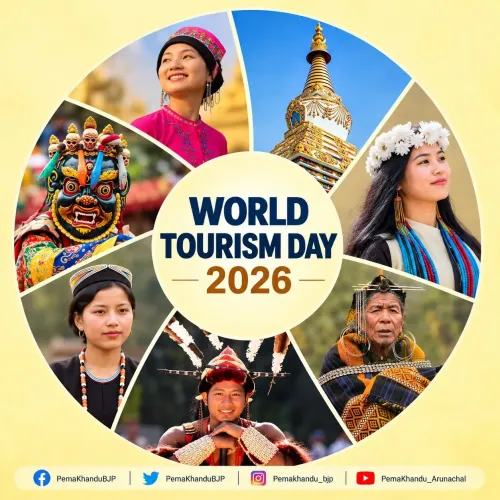
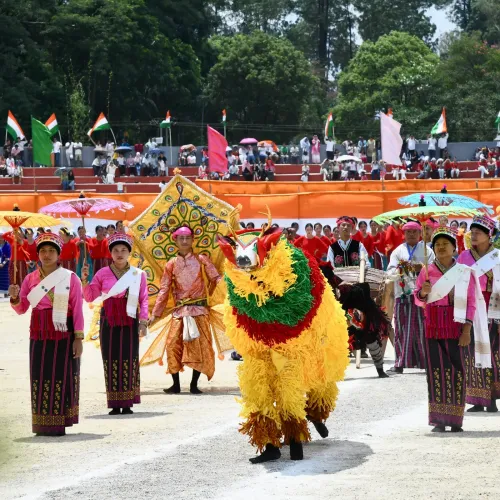
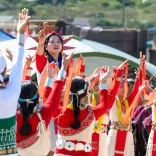
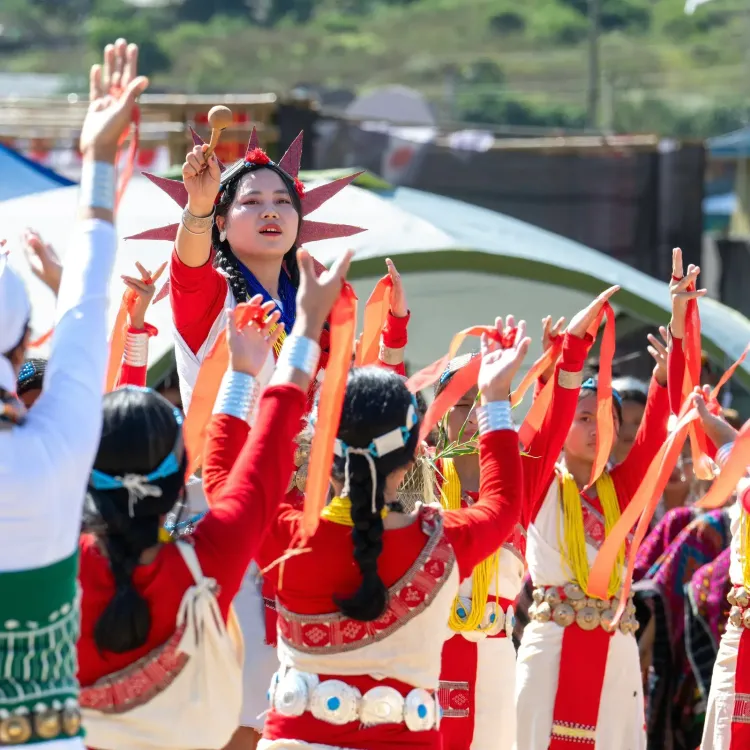
The event showcased indigenous faiths, traditional practices, customs, music, and dance of multiple communities.
Arunachal Pradesh hosts over 26 major indigenous tribes and sub-tribes , making such platforms especially significant.
CM Pema Khandu described the festival as a 'vibrant platform' for cultural expression in a post on 12 November 2026 .
State governments in Arunachal have used multi-tribe festivals to promote inter-tribal harmony since statehood in 1987 .
The event aligns with a broader national emphasis on documenting and publicly showcasing Northeast tribal heritage.
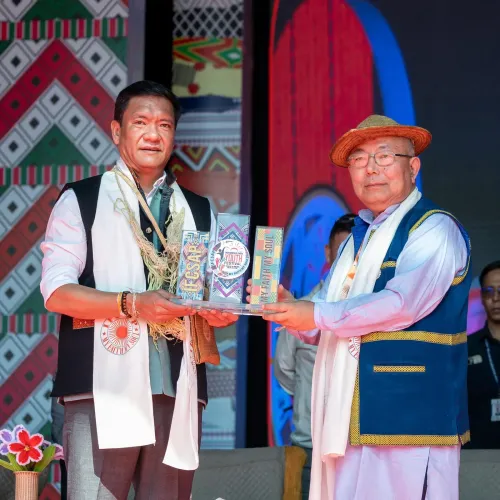
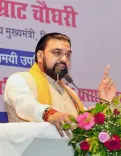
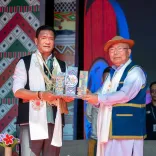
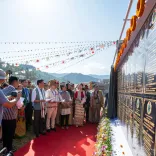
A thousand voices, a thousand traditions — and one stage. Arunachal Pradesh Chief Minister Pema Khandu took to X on Thursday, 12 November 2026, to highlight a large-scale cultural gathering that brought together roughly 1,000 delegates from across the state to celebrate the region's extraordinary mosaic of indigenous faiths, customs, music, and dance.
In his post, the Chief Minister described the festival as 'a vibrant platform for showcasing the diverse indigenous faiths, traditional practices, customs, music and dances of our communities' — framing the event not merely as a celebration but as an act of cultural assertion for a state whose identity is inseparable from its tribal heritage.
A state built on tribal plurality
Arunachal Pradesh, which achieved statehood in 1987, is home to more than 26 major indigenous tribes and sub-tribes, each carrying distinct languages, ritual calendars, and performance traditions. No other Indian state packs comparable ethnic diversity into a single political unit. Festivals of this kind serve as one of the few arenas where these communities share a common platform without erasing their differences — a delicate balance that successive state administrations have tried to maintain. The scale here matters. Assembling 1,000 cultural delegates from communities spread across challenging Himalayan terrain is itself a logistical statement of intent, signalling the state government's active investment in inter-tribal engagement rather than passive acknowledgment.Cultural preservation as governance tool
Arunachal governments have long used multi-tribe festivals as instruments of soft governance — building inter-community solidarity, feeding the state's growing tourism economy, and responding to national-level policy emphasis on documenting and publicly showcasing Northeast tribal heritage. Chief Minister Khandu, in office since 2016, has consistently woven cultural visibility into the state's development narrative, positioning indigenous identity as a resource rather than a relic. That framing aligns with a broader pattern across India's northeastern states, where heritage festivals increasingly double as economic and diplomatic tools — drawing visitors, researchers, and policymakers into regions that otherwise struggle for national attention. The next marker to watch: whether the state's upcoming assembly session or annual budget formalises support for another edition of the festival or launches a dedicated heritage documentation scheme to institutionalise what large gatherings like this one temporarily make visible.Point of View
000 participants drawn from dispersed mountain communities is an administrative achievement as much as a cultural one. For a BJP-led government in a state where tribal identity politics runs deep, visibly championing indigenous traditions is both a governance priority and an electoral calculation. The move also feeds into New Delhi's broader Northeast outreach agenda, where cultural soft power is increasingly used to deepen integration without provoking assertions of ethnic autonomy. Watch whether this festival becomes a recurring flagship event backed by budgetary line items, or remains a periodic symbolic gesture.
NationPress
12 Nov 2026
Frequently Asked Questions
What is the cultural festival organised in Arunachal Pradesh that CM Pema Khandu posted about?
CM Pema Khandu posted about a state-level cultural festival that assembled around 1,000 delegates from across Arunachal Pradesh to showcase indigenous faiths, customs, music, and dances of the state's diverse tribal communities.
How many tribes does Arunachal Pradesh have?
Arunachal Pradesh is home to more than 26 major indigenous tribes and sub-tribes, each with distinct languages, rituals, and cultural practices, making it one of India's most ethnically diverse states.
Why does Arunachal Pradesh hold multi-tribe cultural festivals?
The state has historically used such festivals to promote inter-tribal harmony, preserve indigenous traditions, support cultural tourism, and respond to national policy emphasis on showcasing Northeast tribal heritage.
When did Arunachal Pradesh become a state?
Arunachal Pradesh achieved full statehood on 20 February 1987 , and since then successive governments have organised cultural events to celebrate and document its tribal diversity.