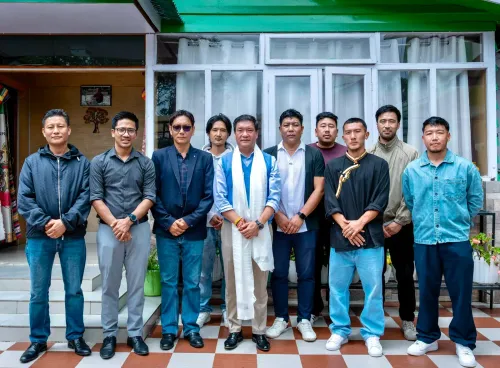
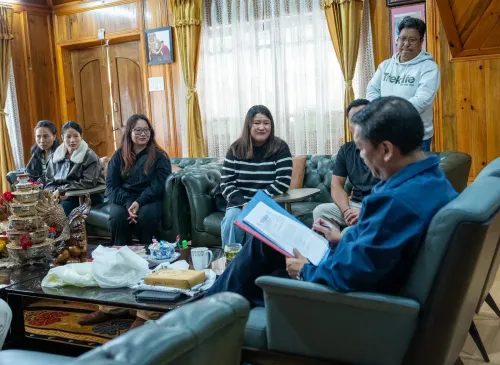
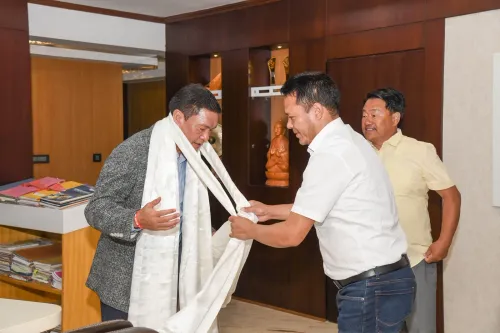
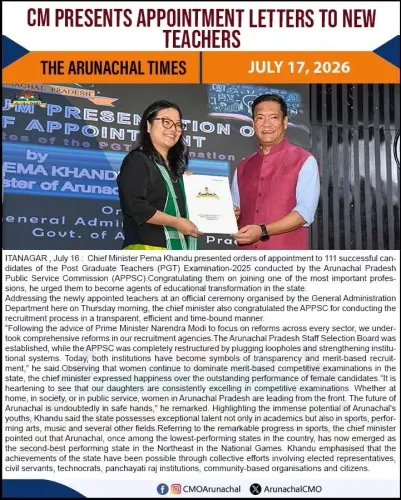
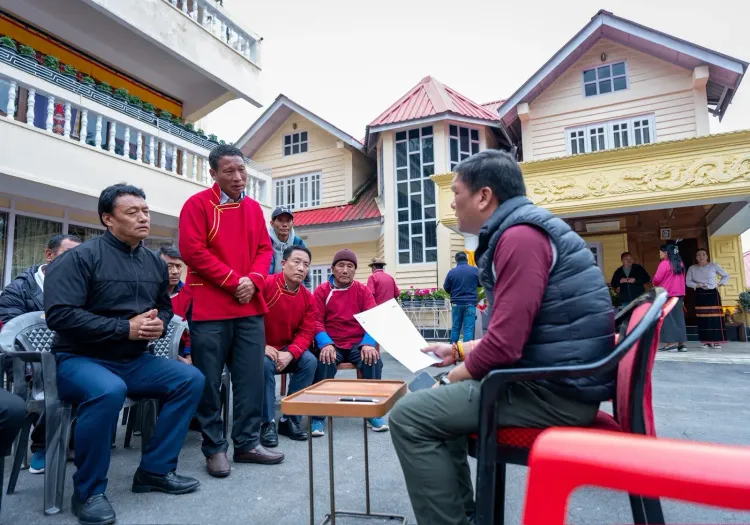
CM Pema Khandu meets Tawang teachers' body on welfare, quality education
Synopsis
Arunachal Pradesh Chief Minister Pema Khandu met the Tawang District Teachers' Welfare Association on 23 June 2026, discussing teacher welfare and quality education for children in the strategically sensitive, high-altitude border district. The meeting aligns with NEP 2020 goals and the state's ongoing effort to retain teachers in remote frontier postings.
Key Takeaways
CM Pema Khandu held a meeting with the Tawang District Teachers' Welfare Association on 23 June 2026 .
Discussion covered teacher welfare, education quality, and the vision of reaching every child in Tawang .
Tawang is a remote, high-altitude district bordering China , where teacher retention is a persistent challenge.
The meeting aligns with the National Education Policy 2020 , which prioritises quality education in frontier and geographically difficult districts.
Arunachal Pradesh has a pattern of consultations with district teacher bodies to address welfare grievances and improve learning outcomes.
Stakeholders are watching for concrete follow-up measures, including possible welfare packages in the next state budget cycle.
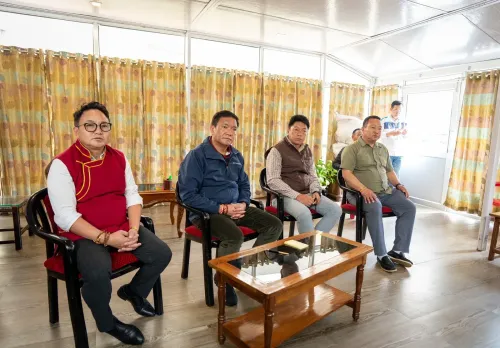
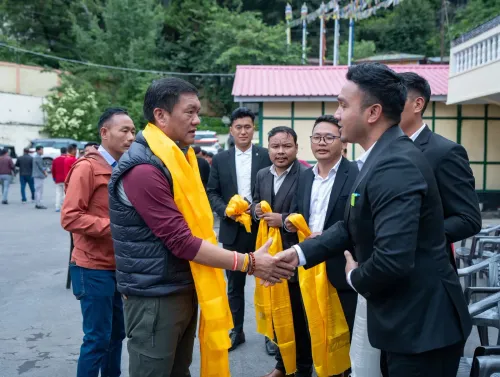
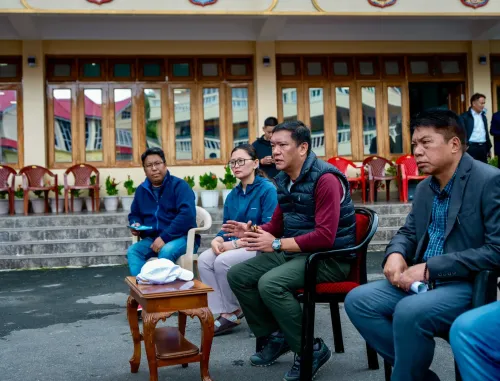
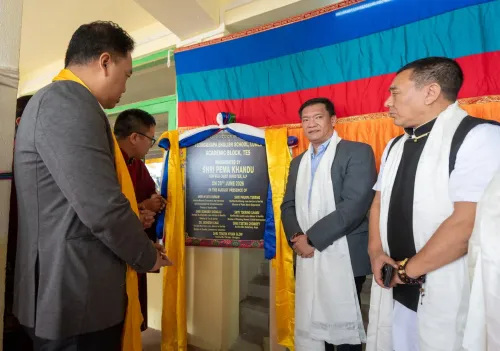
Arunachal Pradesh Chief Minister Pema Khandu met with the Tawang District Teachers' Welfare Association on Tuesday, 23 June 2026, in a discussion centred on teacher welfare, education quality, and the state's vision of reaching every child in the remote border district of Tawang.
Context
Posting on X, CM Khandu described the meeting as 'enriching' and said it was 'a valuable discussion on education, teacher welfare, and our shared vision of providing quality education to every child in Tawang.' He opened with the assertion that 'a great nation is built by great teachers,' signalling the administration's framing of frontline educators as central to national development.
Tawang is a strategically sensitive district bordering China in the far northwest of Arunachal Pradesh. Its remote, high-altitude terrain makes teacher deployment and retention a persistent administrative challenge, and the district's tribal communities depend heavily on state-run schools for access to formal education.
Policy Backdrop
The meeting sits within a broader national framework established by the National Education Policy (NEP) 2020, which set explicit goals for teacher training, rationalisation, and quality learning outcomes across all districts, with particular attention to geographically difficult and frontier regions.
Arunachal Pradesh governments have held repeated consultations with district teacher bodies as part of efforts to improve learning outcomes across the state's difficult Northeast terrain. Since 2014, successive central administrations have emphasised extending education infrastructure and human-resource support to frontier states, and state-level dialogue with teacher associations has been a recurring instrument of that effort.
Retaining qualified teachers in hard-to-reach postings such as Tawang remains one of the most cited obstacles to consistent classroom delivery in the region. Welfare dialogues of this kind are typically aimed at surfacing grievances around pay, housing, transfer policies, and professional development before they escalate into vacancies or strikes.
Stakeholders and Impact
The primary stakeholders are the schoolteachers posted across Tawang district and the students — many from remote tribal communities — whose learning outcomes depend on teacher presence and morale. The Tawang District Teachers' Welfare Association serves as the representative body that channels these concerns to the state government.
For students in border areas, the quality and continuity of teaching staff has a direct bearing on literacy rates, enrolment, and the pipeline into higher education. Any welfare package or policy adjustment emerging from such consultations would therefore have downstream effects on an entire generation of children in the district.
What's Next
Attention will now turn to whether the June 2026 meeting translates into concrete policy action — including NEP-aligned teacher rationalisation, structured training modules, or a district-specific welfare package in the next state budget cycle. CM Khandu's public engagement with the association raises expectations for a formal follow-up, and the state's ability to convert such consultations into durable improvements in teacher welfare will be a test of its commitment to quality education in its most strategically sensitive district.
Point of View
Khandu connects routine welfare dialogue to the broader BJP narrative of frontier development. The real test, however, lies in whether this consultation produces measurable policy output — a welfare package, revised transfer norms, or NEP-linked training — rather than remaining a photo-opportunity. Repeated consultations without follow-through risk eroding teacher trust in exactly the districts where state presence matters most.
NationPress
22 Sept 2026
Frequently Asked Questions
Why did CM Pema Khandu meet the Tawang District Teachers' Welfare Association?
CM Pema Khandu met the association on 23 June 2026 to discuss teacher welfare, education quality, and the state government's vision of providing quality education to every child in Tawang district.
What is the Tawang District Teachers' Welfare Association?
It is a local teachers' body in Tawang district, Arunachal Pradesh, that engages with the state government on issues such as welfare, recruitment, transfer policies, and classroom conditions.
Why is education in Tawang a challenge?
Tawang is a remote, high-altitude district bordering China, and its difficult terrain makes deploying and retaining qualified teachers particularly hard, directly affecting learning outcomes for tribal communities there.
How does this meeting relate to the National Education Policy 2020?
The NEP 2020 set national goals for teacher training, rationalisation, and quality education in all districts, including remote border areas — consultations like this one are part of the state-level effort to implement those goals in frontier regions.
What outcomes are expected from CM Khandu's meeting with Tawang teachers?
No specific commitments have been confirmed yet, but observers are watching for potential welfare packages, NEP-aligned training modules, or district-specific policy measures in the next Arunachal Pradesh budget cycle.