CM Pema Khandu eyes world-class hydrotourism at Subansiri
Synopsis
Arunachal Pradesh CM Pema Khandu convened a live discussion on 10 November 2026 to explore hydrotourism potential at the 2,000 MW Subansiri reservoir — envisioning boating, luxury cruises, water sports, eco-tourism, and floating hospitality across its 40 sq. km expanse.
Key Takeaways
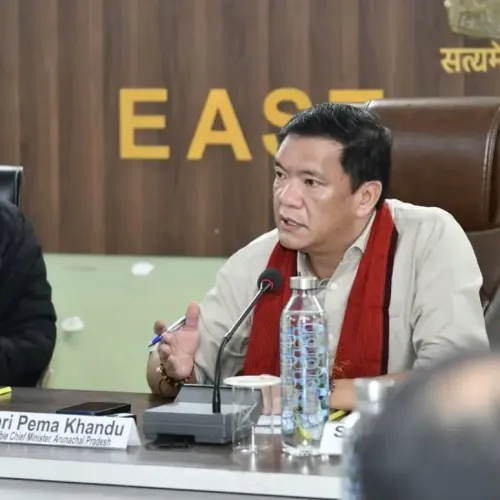
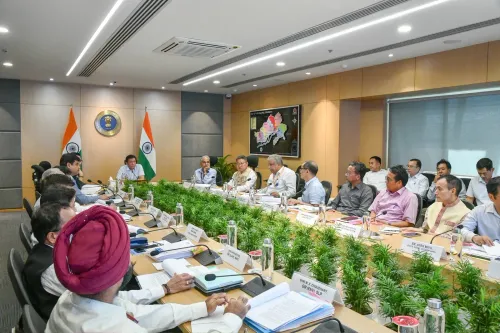
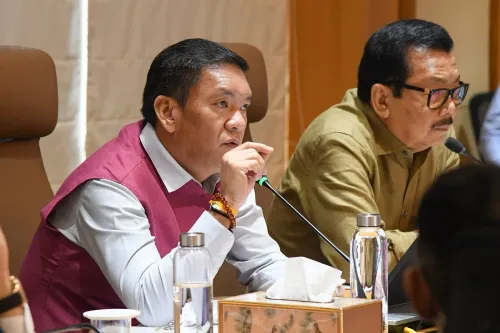
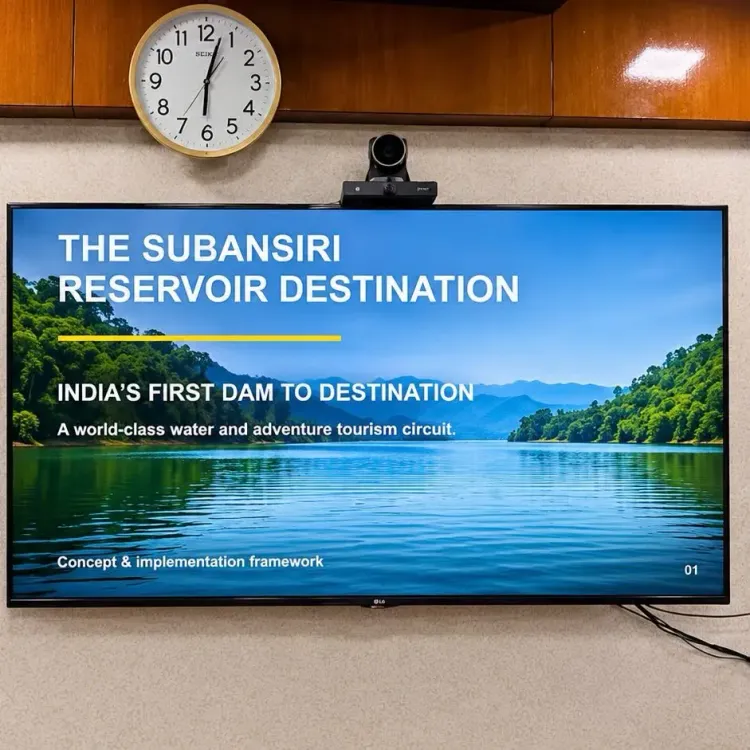
CM Pema Khandu held a live discussion on 10 November 2026 on converting the Subansiri Lower Hydroelectric Project reservoir into a tourism destination.
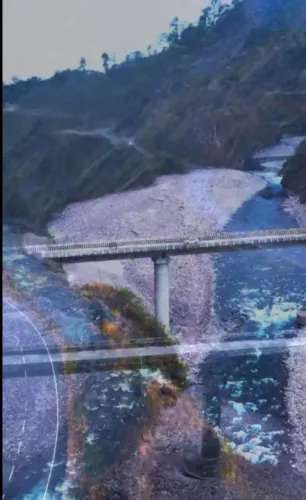
The reservoir spans 40 square kilometres with nearly 45 km of backwaters , set against the Himalayan landscape.
Proposed activities include boating, luxury yacht cruises, floating hospitality, water sports, adventure tourism, and eco-tourism.
The Golden Mahseer fish habitat in the reservoir adds a distinctive conservation-tourism angle.
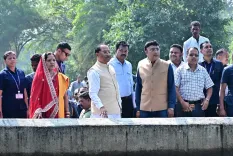
Ninong Ering , Advisor to the Minister for Hydro Power Development, and MLA Rotom Tebin participated alongside tourism experts.
The initiative reflects a broader Arunachal Pradesh strategy to diversify the economic returns from large hydro infrastructure.
Picture a luxury yacht gliding past snow-dusted Himalayan ridges, kayakers threading through 45 kilometres of backwaters, and eco-lodges perched above a reservoir the size of a small city. Arunachal Pradesh Chief Minister Pema Khandu wants that vision to become reality — and on Tuesday, 10 November 2026, he convened a live discussion to map out exactly how.
The 40 sq. km canvas: what the Subansiri reservoir offers
The 2,000 MW Subansiri Lower Hydroelectric Project — one of India's largest hydro initiatives, developed by NHPC Ltd on the Subansiri river in Arunachal Pradesh — has long been defined by its power output. CM Khandu is now pressing a second case: the reservoir stretches across 40 square kilometres, fed by nearly 45 km of backwaters, and sits inside a Himalayan landscape of exceptional scenic and ecological richness. That physical canvas, he argued in the discussion, is precisely what a world-class hydrotourism destination requires.
The agenda covered boating, luxury yacht cruises, floating hospitality, water sports, adventure activities, and eco-tourism — a portfolio designed to draw visitors who might otherwise head to international mountain-lake destinations. The reservoir's status as a Golden Mahseer habitat adds a rare, niche hook for sport-fishing and conservation tourism.
Who was in the room — and why it matters
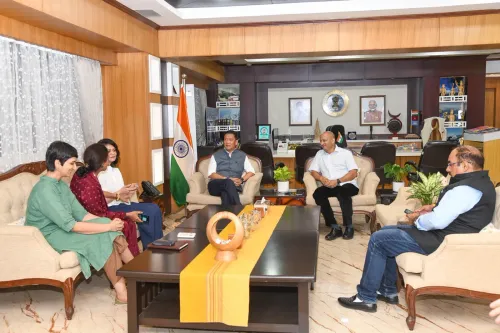
MLA Rotom Tebin, who represents a constituency in the Subansiri region, joined the Chief Minister for the live session, alongside Ninong Ering, Advisor to the Minister for Hydro Power Development in Arunachal Pradesh. Ering, a former Member of Parliament from the state, brings both political weight and institutional knowledge of the hydro sector to any tourism conversion conversation. Tourism and adventure-destination development experts also participated, signalling the state's intent to move beyond concept and into structured planning.
Arunachal's broader bet on reservoir diversification
This discussion fits a pattern that has been building across the Northeast. Arunachal Pradesh holds some of India's most substantial untapped hydropower resources, but large dam projects have historically been justified on power-generation metrics alone. Layering tourism onto completed or near-complete reservoirs offers state governments a second economic argument for infrastructure that took decades and significant ecological trade-offs to build.
Similar reservoir-tourism concepts have been tested in other Indian states with major dams, but the Subansiri site's Himalayan setting, biodiversity credentials, and sheer scale give it a differentiated pitch. The Golden Mahseer — a prized freshwater fish endemic to Himalayan river systems — could anchor a conservation-tourism narrative that appeals to both domestic and international travellers.
From live discussion to policy: the next step
The Chief Minister described the session as 'the central idea of our discussion on the hydrotourism potential,' framing it as a planning milestone rather than an announcement of completed infrastructure. What follows — detailed project reports, tourism policy amendments, private operator empanelment, environmental clearances for water-sport activities — will determine whether the Himalayan reservoir becomes Arunachal's next signature destination or remains a compelling idea on a whiteboard.
Arunachal Pradesh has the landscape, the water body, and now the political attention at the top. The question is whether the state can convert a live discussion into a live destination before rival mountain tourism circuits elsewhere in the region get there first.
Point of View
A veteran of both Parliament and the hydro sector, into the conversation suggests the state is building political consensus around the idea early. The Golden Mahseer angle is particularly astute: it reframes an ecological sensitivity (endemic species protection) as a tourism asset rather than a constraint. If detailed project reports and private operator interest follow, this could become a template for other Northeast states sitting on underutilised reservoir real estate.
NationPress
10 Nov 2026
Frequently Asked Questions
What is the Subansiri Hydroelectric Project?
The Subansiri Lower Hydroelectric Project is a 2,000 MW run-of-river hydroelectric scheme developed by NHPC Ltd on the Subansiri river in Arunachal Pradesh , making it one of India's largest hydro initiatives. It received initial clearances in the early 2000s as part of the central government's push for hydropower in the Northeast.
What hydrotourism activities is Arunachal Pradesh planning at Subansiri?
The state is exploring boating, luxury yacht cruises, floating hospitality, water sports, adventure activities, and eco-tourism across the reservoir's 40 sq. km expanse and 45 km of backwaters, with the Golden Mahseer habitat as a key conservation-tourism draw.
Who is Ninong Ering and what role does he play here?
Ninong Ering is the Advisor to the Minister for Hydro Power Development in Arunachal Pradesh and a former Member of Parliament from the state. He participated in CM Khandu's live discussion on hydrotourism potential at the Subansiri reservoir.
What is the Golden Mahseer and why is it relevant to Subansiri tourism?
The Golden Mahseer is a prized freshwater fish endemic to Himalayan river systems. Its presence in the Subansiri reservoir provides a niche hook for sport-fishing and conservation tourism, distinguishing the destination from generic mountain-lake offerings.
Has Arunachal Pradesh done reservoir tourism before?
Arunachal Pradesh governments have previously pursued multi-use development of large hydro reservoirs combining power generation with tourism and fisheries. The Subansiri initiative follows this broader pattern, though a formal hydrotourism development plan for this specific reservoir is still in the discussion stage.