CM Pema Khandu Meets CoSAAP CEC, Stresses Public Service First
Synopsis
Arunachal Pradesh CM Pema Khandu met the newly elected CoSAAP Central Executive Committee on 21 July 2026, telling its leadership that efficient public service, office presence, and citizen accessibility are non-negotiable expectations for state government employees.
Key Takeaways
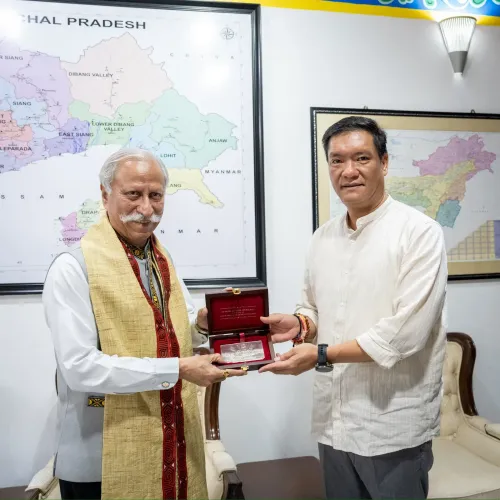
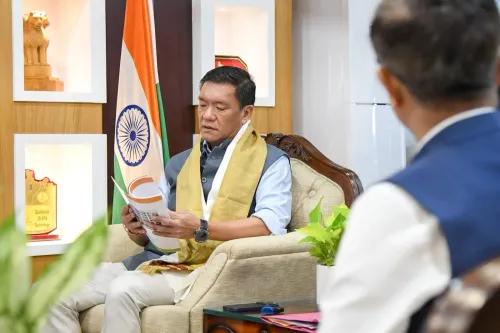
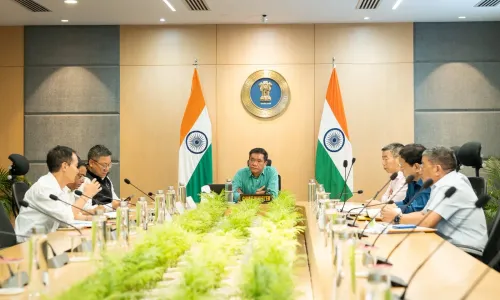
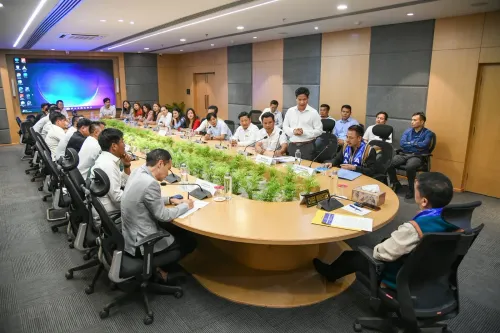
CM Pema Khandu met the newly elected CoSAAP CEC on 21 July 2026 in Itanagar .
The CEC is led by its newly elected President, Shri Likha Tech .
The Chief Minister's core message: 'Public service comes first' — employees must be present, accessible, and efficient.
CoSAAP is the apex body of secretariat employees of the Arunachal Pradesh government.
Khandu linked employee performance directly to state and national growth.
The meeting sets an early accountability benchmark for the new CoSAAP leadership.
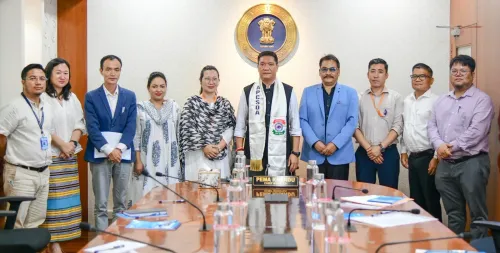
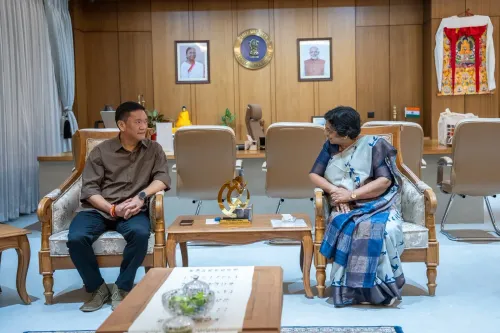
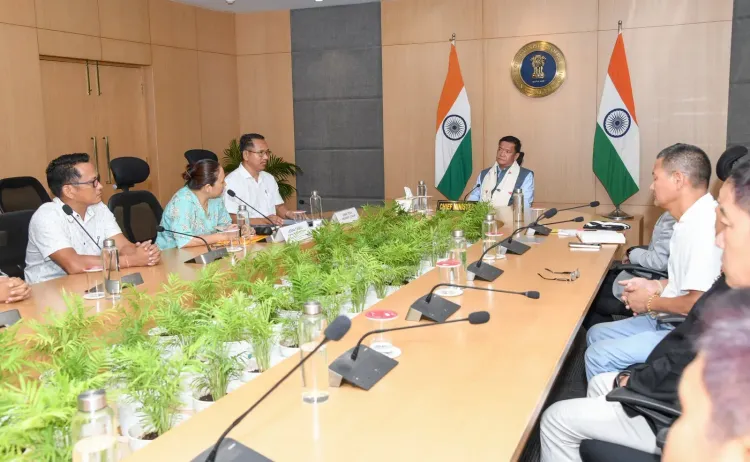
Arunachal Pradesh Chief Minister Pema Khandu on Tuesday, 21 July 2026, met the newly elected Central Executive Committee (CEC) of the Confederation of Secretariat Associations of Arunachal Pradesh (CoSAAP), led by its President Shri Likha Tech, and delivered a direct message: public service must always come first.
Context
The meeting came shortly after the CoSAAP concluded its internal elections and constituted a fresh CEC. CM Khandu used the occasion to set the tone for the new leadership, telling members that government employees should 'spend maximum time in their offices, remain accessible, and deliver services efficiently.' The interaction underscored his administration's continued emphasis on accountability within the state bureaucracy.
CoSAAP is the apex body representing secretariat employees of the Arunachal Pradesh government. Its CEC functions as the principal interface between the employee community and the state administration, making the new committee's orientation a matter of direct governance significance.
Policy Backdrop
The Chief Minister's remarks align with a broader push across several BJP-governed states to tighten office attendance norms and improve last-mile service delivery. Arunachal Pradesh, with its challenging terrain and dispersed population, has historically faced difficulties in ensuring consistent government presence at the district and sub-district levels.
Successive state governments have experimented with attendance monitoring systems and digital service portals to reduce absenteeism and improve citizen access to entitlements. CM Khandu's stress on physical presence in offices and accessibility reflects an acknowledgement that technology alone cannot substitute for responsive human administration in a state where connectivity remains uneven.
Stakeholders and Impact
The message is directed primarily at the tens of thousands of state government employees whose daily conduct shapes citizen experience of governance in Arunachal Pradesh. For ordinary residents — many of whom must travel significant distances to reach government offices — accessibility and efficiency of officials translate directly into timely access to certificates, welfare benefits, and public infrastructure.
CoSAAP's new CEC under Shri Likha Tech now carries the implicit responsibility of reinforcing these expectations among its membership. The Chief Minister's framing — 'When government employees perform efficiently, the State grows. When the State grows, the nation grows' — positions employee performance as a link in a chain that connects individual duty to national development.
What's Next
It remains to be seen whether the interaction will be followed by formal directives on office attendance, service delivery timelines, or performance benchmarks for secretariat staff. The new CoSAAP CEC is expected to engage with the state administration on employee welfare and service conditions in the months ahead, and the Chief Minister's early outreach signals that the government intends to keep governance quality at the centre of that dialogue.
For Arunachal Pradesh, where state capacity is central to development outcomes in a frontier region, the quality of its civil service remains one of the most consequential variables in the government's ability to deliver on its commitments to citizens.
Point of View
Not merely an administrative matter. By framing employee efficiency as a prerequisite for state and national growth, he is anchoring governance accountability within a larger BJP narrative of development-linked performance. The move also serves as a soft warning to the secretariat workforce: the new CEC is expected to be a partner in enforcing standards, not merely an advocate for employee interests. In a frontier state where institutional capacity directly determines development outcomes, this kind of top-level messaging can set the tone for how mid-level officers calibrate their day-to-day conduct.
NationPress
20 Oct 2026
Frequently Asked Questions
Who is Likha Tech and what is CoSAAP?
Shri Likha Tech is the newly elected President of the Confederation of Secretariat Associations of Arunachal Pradesh ( CoSAAP ), the apex body representing secretariat employees of the state government.
What did CM Pema Khandu say to CoSAAP?
CM Pema Khandu told the CoSAAP CEC that 'public service comes first' and that officers and employees must spend maximum time in their offices, remain accessible, and deliver services efficiently.
When did CM Khandu meet the CoSAAP CEC?
The meeting took place on Tuesday, 21 July 2026 .
Why is office presence important for Arunachal Pradesh government employees?
Given Arunachal Pradesh's challenging terrain and dispersed population, physical presence and accessibility of officials is critical for citizens to access welfare benefits, certificates, and public services.
What is the significance of CM Khandu addressing the new CoSAAP leadership?
The outreach signals that the state government expects the new CoSAAP CEC to reinforce accountability norms among its membership, positioning employee performance as central to the administration's governance agenda.