CM Pema Khandu Welcomes NCW Chief to Arunachal Pradesh
Synopsis
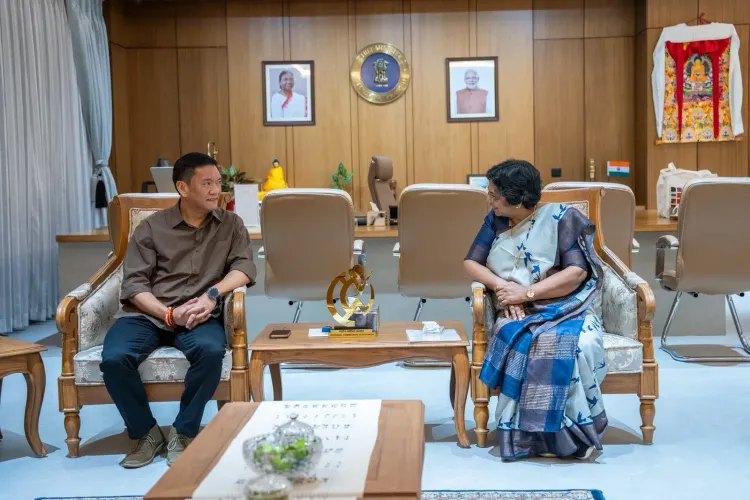
Arunachal Pradesh Chief Minister Pema Khandu welcomed National Commission for Women Chairperson Vijaya Rahatkar to the state on 27 May 2026, holding discussions on women's empowerment, welfare, safety, and inclusive growth for the state's predominantly tribal communities.
Key Takeaways
NCW Chairperson Vijaya Rahatkar visited Arunachal Pradesh on 27 May 2026 , meeting Chief Minister Pema Khandu .
Discussions covered women's empowerment, welfare, safety , and inclusive growth opportunities in the state.
The National Commission for Women was established under the NCW Act of 1992 to review and strengthen legal safeguards for women across India.
Arunachal Pradesh has a predominantly tribal population, presenting distinct challenges in delivering women-centric welfare and safety programmes.
Such NCW visits to northeastern states are part of a broader pattern of Centre-state coordination on women's welfare policy implementation.
Follow-up recommendations from the NCW on state policies for women's safety and economic participation are expected after the visit.
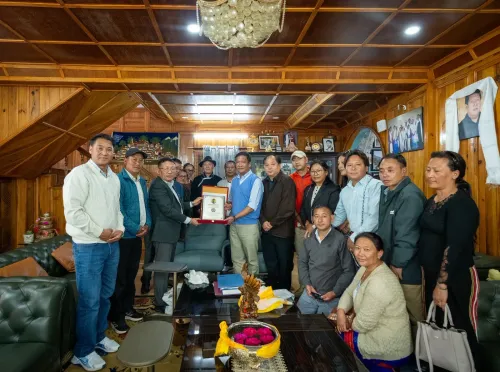
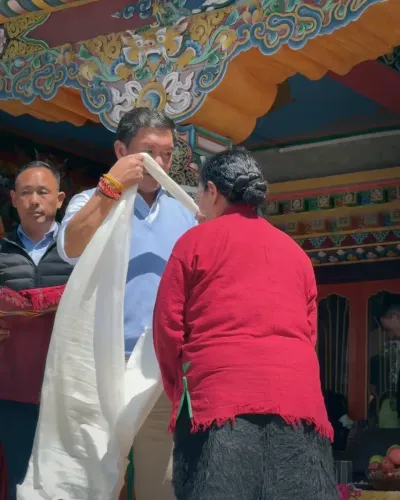
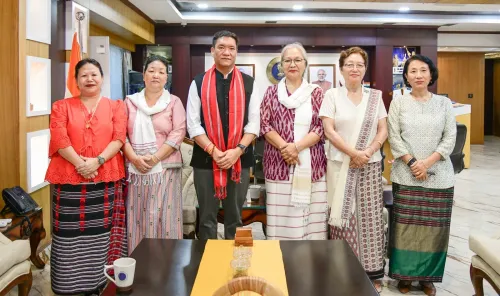
Arunachal Pradesh Chief Minister Pema Khandu on Wednesday, 27 May 2026, welcomed National Commission for Women (NCW) Chairperson Smt Vijaya Rahatkar to the state, holding discussions centred on women's empowerment, welfare, safety, and inclusive growth opportunities for the region's predominantly tribal population.
Context
Chief Minister Khandu described the meeting as 'a meaningful discussion on women empowerment, welfare, safety and opportunities for inclusive growth,' extending wishes for a 'pleasant and productive stay' to the visiting chairperson. The visit marks a direct engagement between the Union-level statutory body and the Arunachal Pradesh state government on issues affecting women across the northeastern state.
The National Commission for Women is a statutory body established under the NCW Act of 1992 with the mandate to review constitutional and legal safeguards for women across India and recommend remedial measures where gaps exist. Visits by the Commission's leadership to states are a standard mechanism for ground-level assessment of policy implementation.
Policy Backdrop
Arunachal Pradesh is home to a largely tribal population spread across remote and often difficult terrain, presenting distinct challenges in delivering women-centric welfare, safety infrastructure, and economic participation programmes. The state government under Pema Khandu, who has served as Chief Minister since 2016, has aligned its welfare agenda closely with centrally sponsored schemes targeting women and marginalised communities.
Central bodies such as the NCW periodically visit northeastern states to evaluate the on-ground reach of national programmes — including those covering livelihood support, legal aid, and protection against gender-based violence — and to identify region-specific gaps that may require tailored policy responses. Such visits also serve as a coordination channel between the Union government and state administrations.
Stakeholders and Impact
The primary stakeholders of this engagement are women across Arunachal Pradesh, particularly those in tribal and rural communities who may face barriers in accessing formal welfare systems, legal recourse, or economic opportunities. Discussions on 'inclusive growth' signal attention to the intersection of gender equity and the state's broader development priorities.
Civil society organisations working on women's rights in the northeast, as well as state departments handling social welfare and women and child development, are likely to be drawn into any follow-up action that emerges from the NCW chairperson's assessment during this visit.
What's Next
The NCW typically follows such state visits with formal observations or recommendations directed at both the state government and relevant Union ministries. Depending on the findings from Rahatkar's interactions on the ground, the Commission could flag specific areas — such as fast-track legal mechanisms for women in remote districts or enhanced economic inclusion schemes — for priority action in Arunachal Pradesh.
The visit could also set the stage for a more structured framework of cooperation between the state and the NCW, reinforcing the broader national agenda of ensuring that women in India's frontier northeastern states are not left behind in welfare delivery and rights protection.
Point of View
Where geographic remoteness and tribal social structures create layered barriers to women's rights and welfare delivery. For Chief Minister Pema Khandu, hosting the visit publicly signals alignment with the Union government's women-centric agenda, reinforcing BJP-ruled states' coordinated messaging on gender welfare. The emphasis on 'inclusive growth' alongside safety and empowerment suggests the conversation went beyond conventional welfare framing to touch on economic participation — a priority in states where women's labour force engagement remains structurally constrained. The real test will be whether this high-level dialogue translates into concrete, region-specific NCW recommendations that move beyond generic national scheme templates.
NationPress
13 Oct 2026
Frequently Asked Questions
Why did the NCW chairperson visit Arunachal Pradesh?
NCW Chairperson Vijaya Rahatkar visited Arunachal Pradesh on 27 May 2026 to engage with the state government on women's empowerment, welfare, safety, and inclusive growth. Such visits are part of the Commission's mandate to assess ground-level implementation of women-centric policies across Indian states.
Who is Vijaya Rahatkar?
Vijaya Rahatkar is the Chairperson of the National Commission for Women, the statutory body set up under the NCW Act of 1992 to review and strengthen constitutional and legal safeguards for women in India.
What is the National Commission for Women?
The National Commission for Women is a statutory body established in 1992 under the NCW Act. Its mandate includes reviewing legal safeguards for women, recommending remedial measures, and advising the government on policies affecting women's rights and welfare.
What issues were discussed during the NCW chief's visit to Arunachal Pradesh?
Chief Minister Pema Khandu stated that the discussions covered women's empowerment, welfare, safety, and opportunities for inclusive growth in Arunachal Pradesh.
What is Pema Khandu's role in Arunachal Pradesh?
Pema Khandu is the Chief Minister of Arunachal Pradesh and a senior BJP leader. He has held the position since 2016 and has aligned the state's welfare agenda with central government schemes targeting women and tribal communities.