CM Pema Khandu Meets CIHCS Faculty, Backs Buddhist Heritage
Synopsis
Arunachal Pradesh Chief Minister Pema Khandu visited the Central Institute of Himalayan Culture Studies in Dahung on 23 June 2026, meeting faculty who preserve Buddhist traditions, the Bhoti language, and Himalayan heritage, signalling continued state support for cultural preservation in the region.
Key Takeaways
Pema Khandu met faculty of the Central Institute of Himalayan Culture Studies (CIHCS) in Dahung on 23 June 2026 .
CIHCS is an autonomous institute in West Kameng district , Arunachal Pradesh, focused on Himalayan Buddhist traditions, texts, and languages.
The Chief Minister specifically highlighted the institute's role in preserving the Bhoti language and ancient Buddhist heritage.
Arunachal Pradesh borders China and Bhutan , giving cultural preservation work strategic as well as identity significance.
The visit follows a broader pattern of state leaders engaging cultural institutes ahead of potential budget or grant allocations.
Possible Ministry of Culture grants or state budget allocations for CIHCS infrastructure and Bhoti-language programmes may follow.
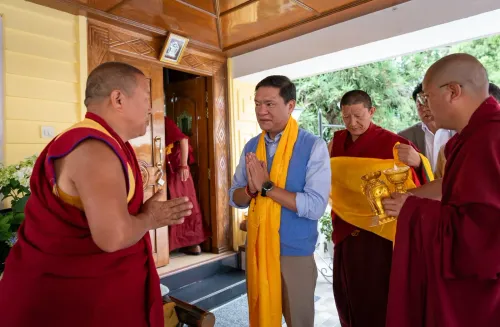
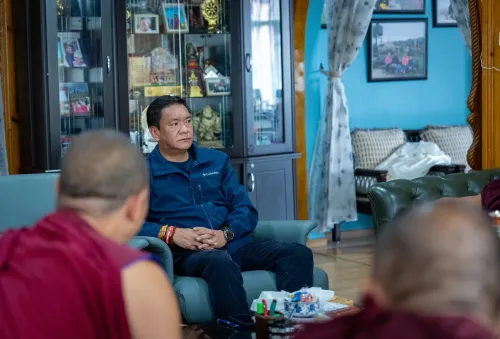
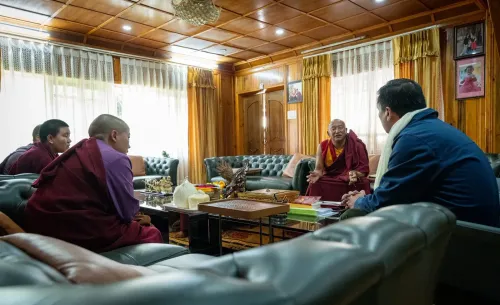
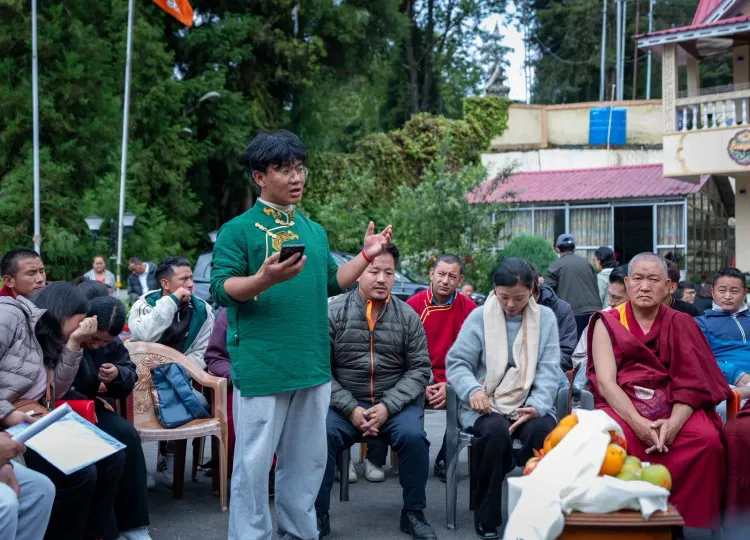
Arunachal Pradesh Chief Minister Pema Khandu on Tuesday, 23 June 2026, met faculty members of the Central Institute of Himalayan Culture Studies (CIHCS) in Dahung, reaffirming the state government's engagement with the institute that safeguards Buddhist traditions, the Bhoti language, and Himalayan cultural heritage.
Sharing the interaction on social media, Khandu described the faculty as 'the people preserving our ancient wisdom, our Buddhist heritage, our Bhoti language, and the timeless traditions of the Himalayas.' The post was accompanied by four photographs from the meeting.
Context
The Central Institute of Himalayan Culture Studies is an autonomous institute located in Dahung, West Kameng district of Arunachal Pradesh. It is dedicated to research, preservation, and teaching of Himalayan Buddhist traditions, classical texts, and indigenous languages. The institute serves as one of the few formal academic bodies in the Northeast focused exclusively on this heritage domain.
Arunachal Pradesh shares borders with China and Bhutan and is home to substantial Buddhist communities and monasteries, making cultural preservation a matter of both identity and strategic significance for the state.
Policy Backdrop
Indian Himalayan states have long supported specialised institutes to document and transmit Buddhist textual traditions, monastic practices, and languages such as Bhoti. Arunachal Pradesh governments have periodically engaged with such bodies to link cultural preservation with state identity and tourism policy.
The Ministry of Culture at the central level has historically channelled grants toward institutes working on endangered languages and classical heritage in the Northeast. Observers note that high-visibility visits by elected leaders often precede budget discussions around infrastructure and programme funding for such bodies.
Stakeholders and Impact
Buddhist scholars, monastic communities, and Himalayan cultural practitioners stand as the primary stakeholders of CIHCS's work. The institute's faculty play a direct role in training the next generation of scholars in Bhoti — a classical language with deep roots in Tibetan Buddhist scriptural traditions — and in archiving oral and textual heritage at risk of erosion.
For local communities in West Kameng and neighbouring districts, the institute represents an institutional anchor for cultural identity. The Chief Minister's visit signals that the state administration views this work as aligned with broader goals of heritage tourism and soft-power assertion in a sensitive border region.
What's Next
Attention will now turn to whether the state's upcoming budget cycle or a central Ministry of Culture grant round will include enhanced allocations for CIHCS — particularly for infrastructure upgrades and expansion of Bhoti-language programmes. Such interactions between elected leaders and cultural institutions in the Northeast have historically served as precursors to formal policy announcements or funding commitments.
The engagement also underscores a wider pattern of Northeastern state governments using cultural diplomacy to assert identity and administrative presence in strategically sensitive Himalayan zones.
Point of View
The Chief Minister links Buddhist heritage preservation to the state's soft-power posture vis-à-vis its Himalayan neighbours. This pattern — elected leaders amplifying cultural work ahead of budget cycles — suggests that CIHCS could be positioned for enhanced state or central funding in the near term. It also reflects the BJP's broader Northeast strategy of weaving cultural pride into governance narratives.
NationPress
22 Sept 2026
Frequently Asked Questions
What is the Central Institute of Himalayan Culture Studies (CIHCS)?
CIHCS is an autonomous institute in Dahung, West Kameng district, Arunachal Pradesh, dedicated to research, preservation, and teaching of Himalayan Buddhist traditions, classical texts, and indigenous languages including Bhoti.
Why did Pema Khandu visit CIHCS in Dahung?
Arunachal Pradesh Chief Minister Pema Khandu met CIHCS faculty on 23 June 2026 to engage with scholars preserving Buddhist heritage, the Bhoti language, and Himalayan cultural traditions, signalling state government support for the institute.
What is the Bhoti language?
Bhoti is a classical language with deep roots in Tibetan Buddhist scriptural traditions, spoken and studied by communities in the Himalayan regions of Arunachal Pradesh and other Indian states. CIHCS is one of the few formal institutes teaching and preserving it.
Where is Dahung located?
Dahung is a town in West Kameng district of Arunachal Pradesh, the northeastern Indian state that borders China and Bhutan, and is home to significant Buddhist communities and monasteries.
Will CIHCS receive more government funding after the Chief Minister's visit?
No official announcement has been made, but observers note that high-visibility visits by elected leaders to cultural institutes in the Northeast often precede budget allocations or Ministry of Culture grants for infrastructure and language programmes.