CM Madhya Pradesh Backs Kodo-Kutki as State's New Farm Identity

Synopsis
The Chief Minister's Office of Madhya Pradesh has declared Kodo and Kutki millets as the state's new agricultural identity under Krishak Kalyan Varsh 2026, reinforcing CM Dr. Mohan Yadav's push to enrich farmers through traditional, climate-resilient crops in the state's tribal and rainfed belts.
Key Takeaways
The Chief Minister's Office of Madhya Pradesh posted on 7 July 2026 declaring Kodo-Kutki millets as the state's emerging agricultural identity.
Krishak Kalyan Varsh 2026 (Farmer Welfare Year 2026) is the official state framework under which this traditional crop push is being advanced.
Kodo and Kutki are minor millets with centuries of cultivation history in Madhya Pradesh's tribal districts, including Mandla, Dindori, and Balaghat.
The initiative aligns with India's post-2023 International Year of Millets momentum and the state's National Food Security Mission interventions dating to 2015 .
Small farmers and tribal communities in rainfed belts are the primary intended beneficiaries of expanded procurement and market-linkage support.
Specific budget allocations and procurement targets under the 2026 scheme are yet to be publicly announced by the agriculture department.
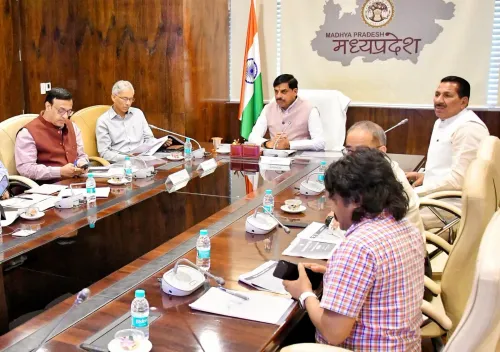
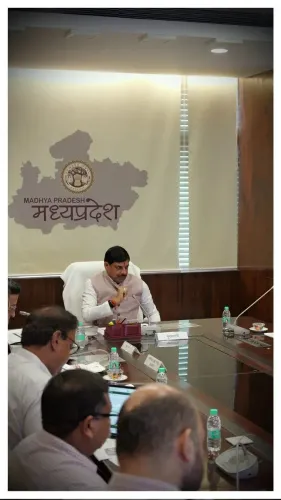
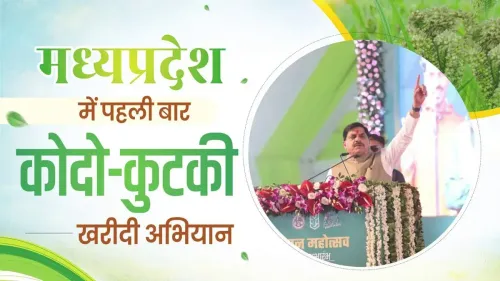
The Chief Minister's Office of Madhya Pradesh on Tuesday, 7 July 2026, reaffirmed the state government's commitment to enriching farmers through traditional crops, declaring that Kodo and Kutki millets are emerging as Madhya Pradesh's new agricultural identity under the banner of Krishak Kalyan Varsh 2026 (Farmer Welfare Year 2026).
The post, shared from the official CMO handle, states: 'मध्यप्रदेश सरकार का संकल्प — परंपरागत फसलों से समृद्ध किसान' ('The resolve of the Madhya Pradesh government — farmers enriched through traditional crops'), tagging Chief Minister Dr. Mohan Yadav and the state agriculture ministry.
Context
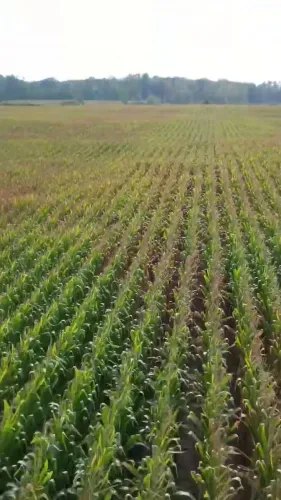
Kodo and Kutki are minor millets cultivated for centuries across the rainfed and tribal belts of central India. In Madhya Pradesh, these crops are deeply embedded in the food culture of Adivasi communities, particularly across districts such as Mandla, Dindori, Balaghat, and the Satpura range. The state government's framing of these grains as a 'new identity' signals an institutional push to move them from subsistence cultivation into mainstream agricultural policy and market systems.Policy Backdrop
India's International Year of Millets in 2023 gave national momentum to coarse grain revival, with the central government promoting millets under food security and export agendas. Madhya Pradesh had earlier brought millets under its State Agriculture Policy and National Food Security Mission interventions from 2015 onward, targeting rainfed farming zones. The current push under Krishak Kalyan Varsh 2026 builds on that lineage, aligning state priorities with the broader national drive toward climate-resilient, nutrition-rich crop systems. Chief Minister Dr. Mohan Yadav, who has emphasised agriculture and rural development since taking office in December 2023, has made traditional crop promotion a visible plank of his administration's farmer outreach. The hashtag #कृषक_कल्याण_वर्ष_2026 (Krishak Kalyan Varsh 2026) has been consistently used in official communications to frame the year as a dedicated period of farmer-centric policy action.Stakeholders and Impact
The primary beneficiaries of this push are small and marginal farmers and tribal communities in Madhya Pradesh's rainfed districts, who already grow Kodo-Kutki but have historically lacked access to assured procurement, processing infrastructure, or premium markets. Elevating these crops to a state identity marker could translate into higher minimum support prices, dedicated procurement drives, and value-addition incentives — though specific operational targets under Krishak Kalyan Varsh 2026 are yet to be publicly detailed. For consumers and nutritionists, Kodo and Kutki offer high dietary fibre, low glycaemic index, and drought-tolerant cultivation profiles, making them relevant to both public health goals and climate adaptation strategies in water-stressed agricultural zones.What's Next
Attention will now turn to the Madhya Pradesh agriculture department's budget allocations and procurement targets for millets in the remainder of 2026. Market-linkage programmes, millet processing clusters, and potential integration with central government nutrition schemes such as the PM Poshan mid-day meal framework could define the practical scale of this commitment. The state's ability to convert a branding declaration into measurable farmer income gains will be the true test of its Krishak Kalyan Varsh resolve.Point of View
Processing infrastructure, and market linkages for the rainfed districts where Kodo-Kutki is actually grown. Without those structural supports, the declaration risks remaining a branding exercise rather than a livelihood intervention.
NationPress
7 Jul 2026
Frequently Asked Questions
What are Kodo and Kutki millets and where are they grown in Madhya Pradesh?
Kodo and Kutki are minor millets traditionally grown in the rainfed and tribal districts of Madhya Pradesh, including Mandla, Dindori, and Balaghat. They are drought-tolerant, nutritious crops with a centuries-old cultivation history among Adivasi communities in the Satpura belt.
What is Krishak Kalyan Varsh 2026 in Madhya Pradesh?
Krishak Kalyan Varsh 2026 is a state-declared Farmer Welfare Year announced by the Madhya Pradesh government to focus policy attention on traditional crops and farmer support measures. It serves as the official framework under which initiatives like the Kodo-Kutki promotion are being advanced.
Why is Madhya Pradesh promoting Kodo-Kutki millets now?
The push builds on India's 2023 International Year of Millets and aligns with national priorities on nutrition security and climate-resilient agriculture. Madhya Pradesh has been supporting millets under its State Agriculture Policy since 2015, and the 2026 initiative deepens that commitment under CM Dr. Mohan Yadav.
Who benefits from the Kodo-Kutki millet scheme in Madhya Pradesh?
The primary beneficiaries are small and marginal farmers and tribal communities in Madhya Pradesh's rainfed districts who already cultivate these crops but lack access to assured procurement, processing facilities, or premium market channels.
What policy steps are expected next for millets in Madhya Pradesh?
Observers are watching for budget allocations, procurement targets, millet processing cluster announcements, and possible integration with central nutrition schemes. These steps will determine whether the state's Krishak Kalyan Varsh 2026 commitment translates into measurable income gains for farmers.