CM Majhi: 4 Pregnant Women Evacuated from Remote Ganjam Ahead of Cyclone
Synopsis
Odisha CM Mohan Charan Majhi confirmed four pregnant women were evacuated from the remote, tribal-dominated Buratal Panchayat in Ganjam district ahead of a possible cyclone, citing life protection as the government's highest disaster priority.
Key Takeaways
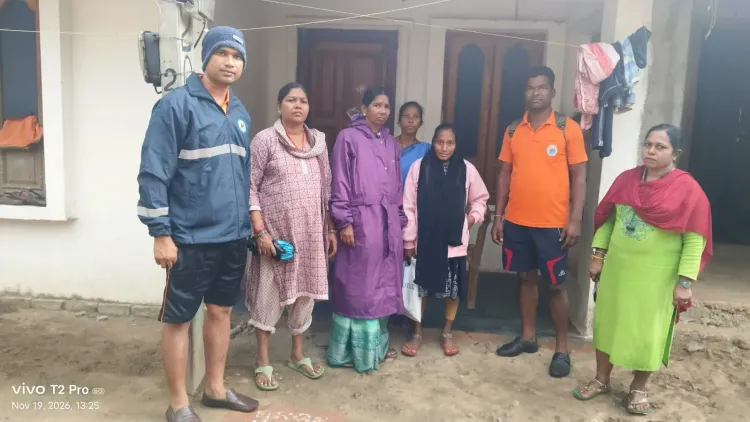
Four pregnant women were evacuated from Buratal Panchayat , a remote tribal-dominated area in Ganjam district , ahead of a possible cyclone.
Rescue teams assisted the evacuation from an interior panchayat with limited road access, making the operation logistically demanding.
CM Mohan Charan Majhi posted the update on 20 November 2026 , emphasising that public safety and life protection are the highest priorities during disasters.
Odisha's disaster framework — built after the 1999 super cyclone that killed over 10,000 people — mandates pre-emptive evacuation of vulnerable groups including pregnant women.
During Cyclone Fani in 2019 , Odisha evacuated more than 1.2 million people within 48 hours , a model now referenced in national disaster guidelines.
Further evacuation orders will depend on IMD updates on the cyclone's track and intensity over Ganjam and neighbouring coastal districts.
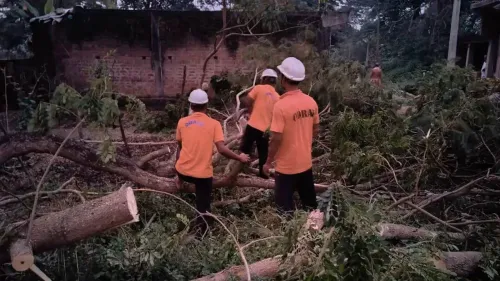
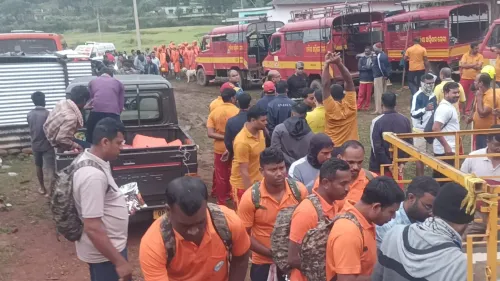
Before a possible cyclone makes landfall, Odisha Chief Minister Mohan Charan Majhi on Friday, 20 November 2026 confirmed that four pregnant women had been safely evacuated from the remote, tribal-dominated Buratal Panchayat in Ganjam district — a logistically demanding rescue from an interior area with limited road access, carried out with the help of dedicated rescue teams.
Posting in both Odia and English, Chief Minister Majhi wrote: 'Lokanka sarkara re biparyaya samayare janasadharananka suraksha o jivana rakshaku sarbadika gurutra diajaucha' — 'In the people's government, ensuring public safety and protecting lives remain the highest priorities during disasters.' The evacuation of the four pregnant women from Buratal Panchayat is a pointed illustration of that stated priority.
Why Buratal Panchayat Makes Every Rescue Count
Ganjam district sits along Odisha's southern coast, squarely in the path of Bay of Bengal storm systems. Its interior blocks include tribal-majority panchayats with limited all-weather road connectivity — a combination that turns any evacuation into a logistical challenge even before winds pick up. Buratal Panchayat falls into this category: remote, Scheduled Tribe-dominated, and difficult to reach under normal conditions, let alone a deteriorating weather window.
Pregnant women, alongside the elderly and persons with disabilities, sit at the top of Odisha's pre-emptive evacuation priority list precisely because they cannot self-evacuate quickly or safely. Getting four of them out ahead of the storm — not during or after — is the operational objective that disaster managers call 'last-mile outreach.'
Odisha's Zero-Casualty Blueprint in Action
The state did not arrive at this preparedness posture overnight. The 1999 super cyclone killed more than 10,000 people and effectively rewrote how Odisha manages storm risk. In its wake, the state built a dense network of cyclone shelters, invested in community early-warning systems, and established the Odisha State Disaster Management Authority. The philosophy hardened into a zero-casualty goal that successive administrations have defended as a non-negotiable benchmark.
That benchmark was tested — and held — during Cyclone Fani in 2019, when the state moved more than 1.2 million people in under 48 hours, a mass evacuation later cited in national disaster-management guidelines as a template for coastal states. The current BJP government under Chief Minister Majhi, which took office in June 2024, has continued the emphasis on pre-emptive, vulnerable-first evacuation that defined that period.
What Comes Next for Ganjam and Neighbouring Districts
The India Meteorological Department's updates on the cyclone's precise track and intensity will determine whether additional evacuation orders follow for Ganjam and the coastal districts to its north. Relief camps across the district are part of standard activation protocol once a cyclone alert is issued; whether they open at scale will depend on the storm's projected landfall zone.
Four women safely moved from an isolated tribal panchayat is a small number on its own. As a signal of how far Odisha's disaster machinery now reaches — and how early — it is anything but small.
Point of View
And the current BJP government's decision to inherit and sustain that institutional muscle rather than reinvent it. For CM Majhi, amplifying this specific detail on social media is also a governance signal: that last-mile, vulnerable-first outreach in Scheduled Tribe areas is a political commitment, not just an administrative routine. The broader pattern suggests that zero-casualty cyclone preparedness has become a cross-party consensus in Odisha, insulating it from the disaster-response failures that periodically damage administrations in other coastal states. Whether this pre-cyclone mobilisation translates into zero casualties when the storm arrives will be the actual test of that consensus.
NationPress
20 Nov 2026
Frequently Asked Questions
Why were pregnant women evacuated from Buratal Panchayat in Ganjam?
Four pregnant women were evacuated from Buratal Panchayat in Ganjam district as a precautionary measure ahead of a possible cyclone. Pregnant women are on Odisha's priority evacuation list because they cannot self-evacuate quickly or safely during a storm.
Where is Buratal Panchayat and why is evacuation difficult there?
Buratal Panchayat is a remote, tribal-dominated panchayat in Ganjam district, southern Odisha. It has limited all-weather road connectivity, making evacuations logistically challenging, especially under a deteriorating weather window.
What is Odisha's history with cyclone preparedness?
Odisha overhauled its disaster management system after the 1999 super cyclone that killed over 10,000 people, building cyclone shelters and early-warning networks. During Cyclone Fani in 2019, the state evacuated more than 1.2 million people in under 48 hours, a model now cited in national disaster guidelines.
What did CM Mohan Majhi say about the Ganjam evacuation?
CM Mohan Charan Majhi posted on 20 November 2026 confirming the evacuation, stating that 'ensuring public safety and protecting lives remain the highest priorities during disasters' in his government.
What should Ganjam residents watch for as the cyclone approaches?
Residents should follow India Meteorological Department updates on the cyclone's track and intensity. Additional evacuation orders or the opening of relief camps across Ganjam and neighbouring coastal districts may follow depending on the storm's projected path.