CM Majhi Abolishes Odisha Pension Quota, Adds 5 Lakh Beneficiaries
Synopsis
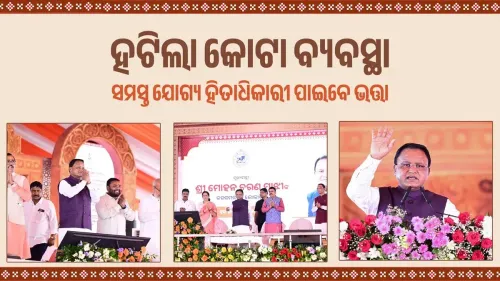
Odisha CM Mohan Charan Majhi launched the Pension Saturation Initiative in Balasore on November 10, 2026, abolishing the quota-based pension system and enrolling over 5 lakh eligible citizens into Madhu Babu Pension Yojana via the new UPMP digital portal.
Key Takeaways
Odisha's quota-based pension allocation system, under which vacancies arose only when existing beneficiaries died, has been permanently abolished.
Over 5.05 lakh eligible citizens were enrolled in the Madhu Babu Pension Yojana in a single day at the Balasore launch event on November 10, 2026 .
The new Unified Pension Management Portal (UPMP) promises direct payment to beneficiaries starting the month after application, eliminating queue-based delays.
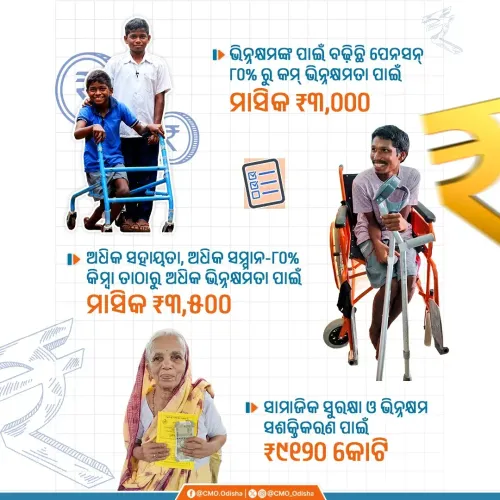
Madhu Babu Pension Yojana , launched in 2008 , covers the elderly, widows and persons with disabilities under a consolidated state pension framework.
CM Majhi also inaugurated and laid foundation stones for infrastructure projects in Balasore spanning healthcare, urban development and connectivity.
The initiative is framed under PM Modi's 'double engine' governance model, aligning central and state BJP governments on welfare saturation.
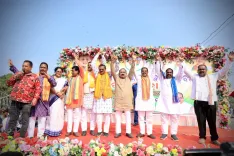
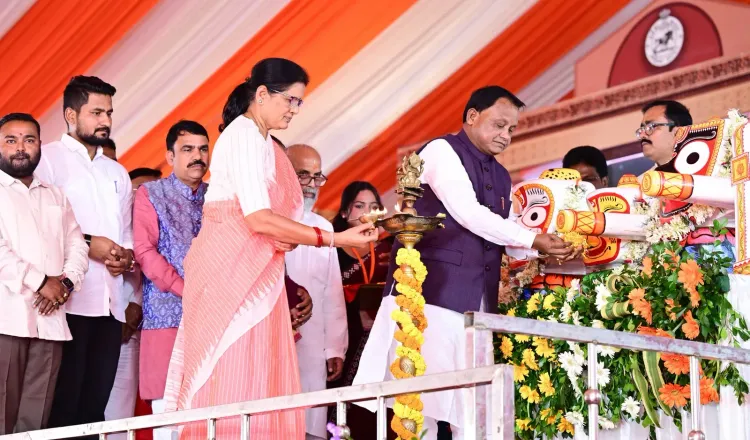
A welfare system where one citizen had to wait for another to die before receiving a pension — that shameful queue ended in Balasore, Odisha, on Tuesday, November 10, 2026. Odisha Chief Minister Mohan Charan Majhi launched the Social Security Pension Saturation Initiative from the coastal district, abolishing the quota-based pension allocation system that had governed the state's welfare delivery for years and enrolling over 5.05 lakh newly eligible beneficiaries into the Madhu Babu Pension Yojana in a single day.
The Quota System That Made Citizens Wait for Death
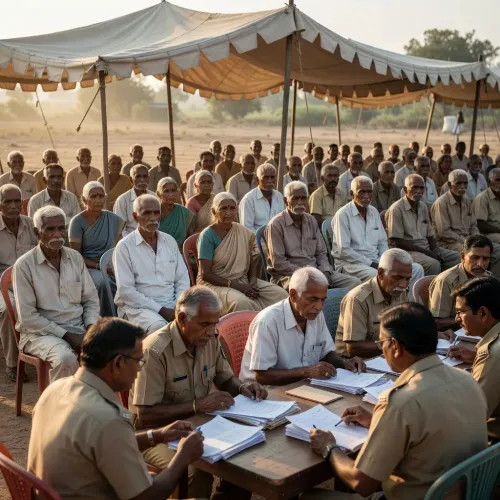
The core announcement is as blunt as the problem it fixes. Under the old quota model, the number of pension slots in any area was fixed — meaning a qualified applicant could only enter the scheme when an existing beneficiary died or was removed. CM Majhi called the system 'ଅତ୍ୟନ୍ତ କ୍ରୂର, ସମ୍ବେଦନହୀନ ଓ ଅମାନବୀୟ' — 'extremely cruel, insensitive and inhuman' — and declared it abolished permanently.
The Madhu Babu Pension Yojana, launched in 2008, is Odisha's consolidated social security pension, covering the elderly, widows and persons with disabilities. It merged several earlier state pension streams into one scheme. Despite its broad mandate, the quota cap meant tens of thousands of eligible citizens were stuck on a waiting list indefinitely.
UPMP Portal: Next-Month Payments, No Middlemen
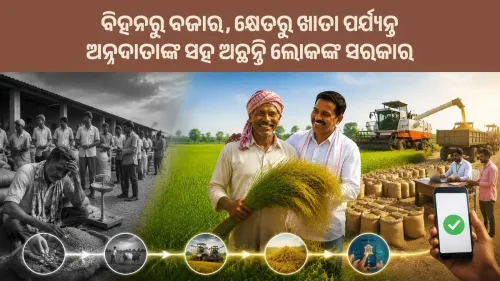
The reform is not just about adding names to a list. The event also marked the rollout of the Unified Pension Management Portal (UPMP), a new state digital platform designed to process applications, verify eligibility and route payments directly to beneficiaries. The key promise: anyone who applies will receive their pension starting the very next month after their application — no queue, no quota, no delay.
Direct benefit transfers cut out the administrative layers that have historically allowed leakage and corruption in welfare delivery. The UPMP is framed as making the system 'transparent, corruption-free and simple,' to use the CM's own language. How the portal performs at scale — and whether the next-month payment promise holds across all 30 districts — will be the real test.
Balasore Also Gets Roads, Health, and Urban Projects
Beyond the pension reforms, CM Majhi used the Balasore platform to inaugurate and lay foundation stones for several infrastructure projects spanning healthcare, urban development and connectivity in the district. No individual project values were specified in the post, but the combination signals that the Balasore event was designed as a comprehensive welfare-plus-development showcase for northern Odisha.
Majhi invoked Prime Minister Narendra Modi's 'double engine' governance model — the idea that a BJP state government and a BJP central government working in alignment can accelerate welfare saturation and infrastructure delivery simultaneously. This framing has become standard political architecture for BJP-ruled states since 2022.
What Odisha's Welfare Shift Looks Like on the Ground
Since winning Odisha's assembly election in June 2024 — the BJP's first-ever state government there — the Majhi administration has concentrated on removing administrative bottlenecks in schemes inherited from the previous government rather than creating entirely new ones. The pension saturation drive fits that pattern precisely: the scheme existed, the beneficiaries were eligible, the obstruction was structural. Remove the structure, expand the rolls.
The hashtag the CM used, #ଭତ୍ତାପାଇଁଅପେକ୍ଷାରଯୁଗଶେଷ — 'the era of waiting for a pension is over' — is both a political declaration and a measurable claim. Over five lakh elderly, widowed and disabled Odias now have an answer. The pipeline that was supposed to serve them always, finally has.
Point of View
But the removal of an administrative ceiling that prevented an existing scheme from reaching its own stated beneficiaries. For the BJP's Odisha government, it also serves a sharp political purpose: by framing the quota as a legacy of the previous administration, Majhi turns a bureaucratic fix into a contrast narrative. The UPMP portal's next-month payment promise stakes the government's credibility on digital delivery at scale — a high-visibility test that will either reinforce or undercut the saturation claim within weeks. Nationally, this fits a broader BJP template of announcing 'saturation' of central and state welfare schemes ahead of local election cycles.
NationPress
10 Nov 2026
Frequently Asked Questions
What is the Madhu Babu Pension Yojana in Odisha?
The Madhu Babu Pension Yojana is Odisha's consolidated social security pension scheme, launched in 2008, that provides monthly financial assistance to elderly citizens, widows and persons with disabilities. It merged several earlier state pension programmes into a single scheme.
What was the pension quota system abolished by CM Majhi?
Under the old quota system, the number of pension slots in each area was fixed. A new beneficiary could only be enrolled when an existing one died or was removed, forcing eligible citizens to wait indefinitely. Chief Minister Mohan Charan Majhi declared this system permanently abolished on November 10, 2026.
How many new beneficiaries were added to Odisha's pension scheme?
Over 5.05 lakh eligible citizens were enrolled in the Madhu Babu Pension Yojana in a single day during the Pension Saturation Initiative launch event in Balasore on November 10, 2026.
What is the Unified Pension Management Portal (UPMP) in Odisha?
The UPMP is a new state digital platform launched by the Odisha government to handle pension applications, verify eligibility and transfer payments directly to beneficiaries. It promises that approved applicants will receive their pension starting the month after they apply.
What infrastructure projects were launched in Balasore by CM Majhi?
Along with the pension reforms, CM Majhi inaugurated and laid foundation stones for several projects in Balasore district covering healthcare facilities, urban development and connectivity infrastructure, though specific project values were not disclosed at the event.