CM Majhi Pushes Odisha's Blue Economy Under Modi's Vision
Synopsis
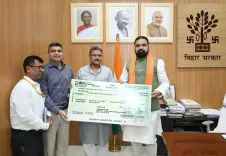
Odisha Chief Minister Mohan Charan Majhi on 28 July 2026 invoked PM Modi's Blue Economy vision to highlight state efforts in fisheries infrastructure, modern aquaculture, and livelihood creation along Odisha's 480-km coastline, anchored by the central PMMSY scheme.
Key Takeaways
CM Mohan Charan Majhi on 28 July 2026 highlighted Odisha's fisheries and aquaculture push under PM Modi's Blue Economy vision.
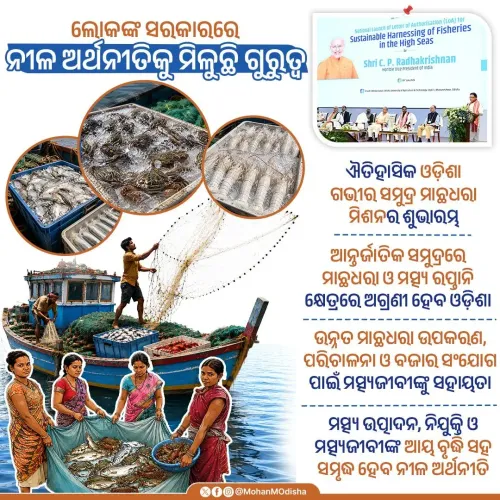
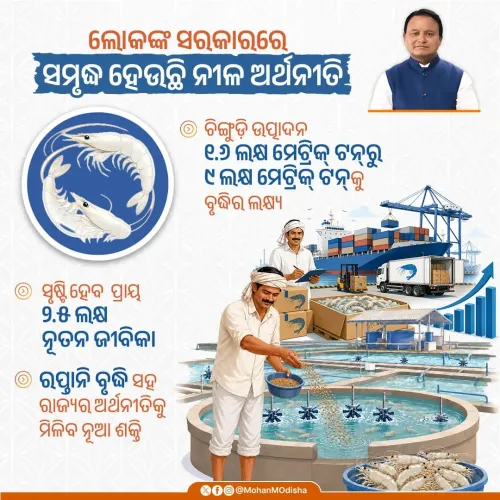
The state government is focusing on three areas: infrastructure strengthening, modern aquaculture, and expanded livelihood opportunities for fishers and fish farmers.
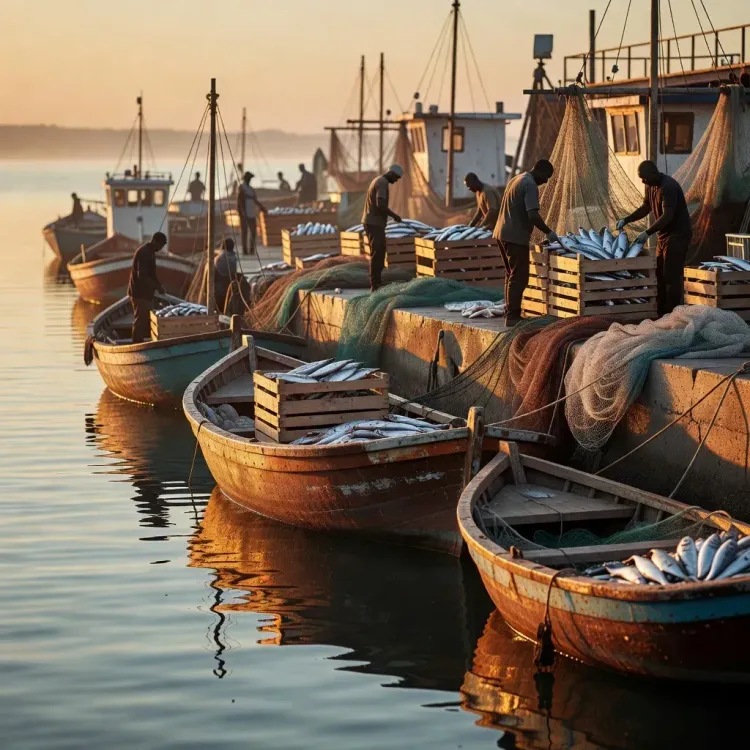
Odisha's coastline spans 480 km , giving it significant marine and aquaculture potential.
The Pradhan Mantri Matsya Sampada Yojana (PMMSY) , launched in May 2020 , is the central scheme underpinning much of this push.
Majhi became Odisha's Chief Minister in June 2024 , marking the BJP's first government in the state after decades of BJD rule.
Actual outcomes — harbour upgrades, fund utilisation, farmer access — will determine whether the Blue Economy framing translates into ground-level change.
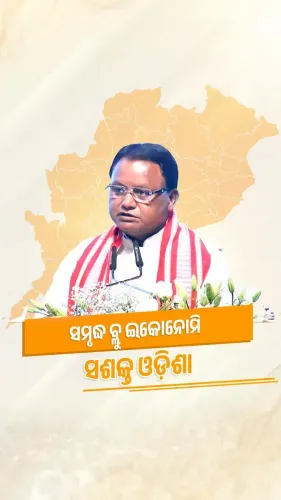
Odisha's vast coastline — stretching 480 kilometres along the Bay of Bengal — holds fishing communities whose livelihoods have long waited for infrastructure to match their potential. On Tuesday, 28 July 2026, Odisha Chief Minister Mohan Charan Majhi signalled that the wait may be shortening, crediting a 'Double-Engine Government' alignment with Prime Minister Narendra Modi for driving new momentum in the state's fisheries and aquaculture sector.
What the 'Double-Engine' push means for Odisha's fishers
CM Majhi framed the effort around three pillars: stronger infrastructure, modern aquaculture practices, and expanded livelihood opportunities for fishers and fish farmers. The language mirrors the BJP's standard formulation for state-centre coordination — the idea that a BJP government in both Bhubaneswar and New Delhi removes friction in scheme delivery and capital flow.
The central engine behind much of this push is the Pradhan Mantri Matsya Sampada Yojana (PMMSY), launched in May 2020, which targets increased fish production, cold-chain modernisation, and value-chain upgrades across coastal and inland states. Odisha, with its marine resources and large coastal population, is among the states positioned to draw significantly from the scheme's allocations.
Odisha's coastline as a Blue Economy asset
Odisha entered the BJP's governance fold in June 2024 when Mohan Charan Majhi was sworn in as Chief Minister, ending decades of Biju Janata Dal rule. Since then, aligning state fisheries policy with central schemes has been a stated priority. The state's 480-km coastline, estuarine zones, and inland water bodies give it a natural base for both marine capture fisheries and freshwater aquaculture.
The Blue Economy framing — treating ocean and coastal resources as economic assets to be developed sustainably — has been a recurring theme in Modi government policy since 2014, appearing in budget documents and maritime strategy papers. For Odisha, it translates into potential investment in fishing harbours, ice plants, processing units, and aquaculture clusters that could raise incomes for coastal communities.
What to watch as promises meet implementation
Rhetoric and rollout are different things. The real test for Odisha's fisheries push will be in state budget allocations for the sector, the pace of PMMSY fund utilisation, and whether new aquaculture infrastructure reaches small-scale fishers — not just commercial operators. Coastal communities across the state will be watching for tangible changes: better landing facilities, access to credit, and stable market linkages.
If the Double-Engine alignment delivers on the ground, Odisha could emerge as a benchmark for how central fisheries schemes translate into state-level outcomes — a model other coastal states would study closely.
Point of View
Designed to reinforce BJP's central-state alignment story ahead of any future electoral cycle. The fisheries sector is a smart vehicle for this: it touches large coastal and rural voter bases that were historically BJD territory. The harder question is whether PMMSY fund flow and state budget allocations will back the rhetoric — because in fisheries policy, the gap between announcement and infrastructure on the ground has historically been wide across all coastal states.
NationPress
27 Oct 2026
Frequently Asked Questions
What is Odisha's Blue Economy and why does it matter?
Odisha's Blue Economy refers to the sustainable use of its coastal and marine resources — fisheries, aquaculture, ports and ocean-based industries — for economic growth. With a 480-km coastline and large fishing communities, the sector is a significant source of livelihoods and export potential for the state.
What is the Pradhan Mantri Matsya Sampada Yojana?
The Pradhan Mantri Matsya Sampada Yojana (PMMSY) is a central government scheme launched in May 2020 to boost fish production, modernise the fisheries value chain, improve infrastructure such as cold storage and processing units, and generate livelihoods for fishers and fish farmers across India.
When did Mohan Charan Majhi become Odisha Chief Minister?
Mohan Charan Majhi was sworn in as Odisha Chief Minister in June 2024 , becoming the state's first BJP Chief Minister after the party ended the Biju Janata Dal's long hold on power.
What does 'Double-Engine Government' mean in Indian politics?
'Double-Engine Government' is a BJP phrase describing a political situation where the same party governs both a state and the central government, arguing that policy coordination and fund flow are smoother as a result. CM Majhi used the term to frame Odisha's fisheries push as benefiting from alignment with PM Modi's central government.
How long is Odisha's coastline?
Odisha's coastline stretches approximately 480 kilometres along the Bay of Bengal, making it one of India's significant coastal states for marine fisheries and aquaculture development.