CM Majhi Credits Modi Era for India's Infrastructure Leap
Synopsis
Odisha Chief Minister Mohan Charan Majhi has praised PM Narendra Modi's governance since 2014 as the driver of India's fastest-ever infrastructure growth, citing expressways, freight corridors, airports, Jal Jeevan Mission, and the Viksit Bharat vision.
Key Takeaways
Odisha CM Mohan Charan Majhi posted on 5 August 2026 crediting PM Modi's leadership since 2014 for India's infrastructure transformation.
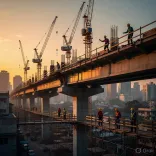
Key sectors cited: expressways, freight corridors, modern railways, ports, airports, renewable energy, and tap water connectivity.
The Bharatmala Pariyojana (2015) and Dedicated Freight Corridors form the road and rail backbone of the post-2014 push.
The Jal Jeevan Mission (2019) and UDAN scheme (2016) extended connectivity to rural households and smaller cities respectively.
Majhi linked all projects to the Viksit Bharat goal of a developed India by 2047 .
Union Budget 2026-27 allocations for roads, railways, and clean energy will be the next indicator of whether the pace is sustained.
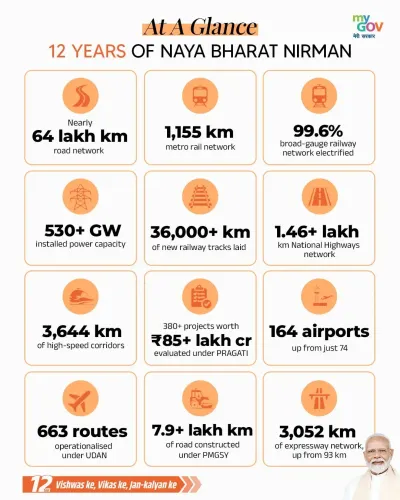
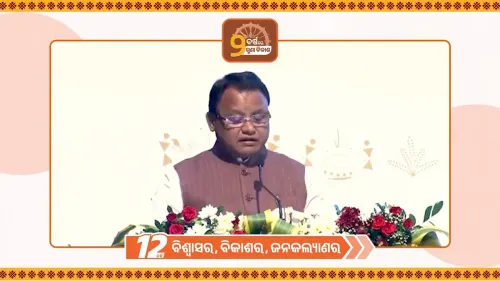
A decade of expressways, freight corridors, airports, and tap water pipelines — Odisha Chief Minister Mohan Charan Majhi says it all traces back to one turning point: 2014. In a post on X on Wednesday, 5 August 2026, Majhi framed the past twelve years as the fastest infrastructure transformation in Indian history, directly crediting Prime Minister Narendra Modi's leadership for the momentum.
Majhi wrote: 'Since 2014, under the visionary leadership of Hon'ble Prime Minister Shri Narendra Modi Ji, India has witnessed the fastest infrastructure transformation in its history. From world-class expressways and freight corridors to modern railways, ports, airports, renewable energy and tap water connectivity, every milestone reflects a decade of bold decisions and decisive governance.'
The Policy Architecture Behind the Claim
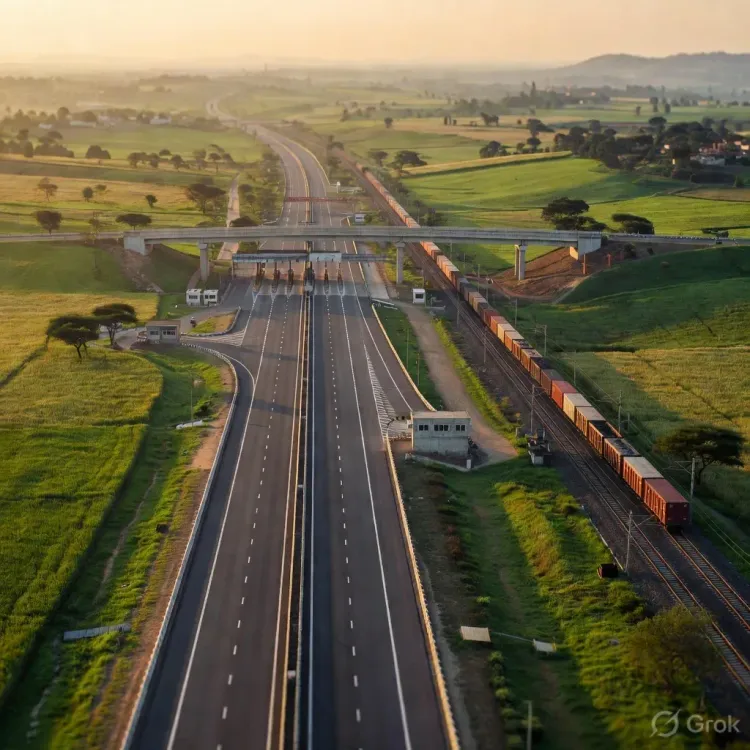
The infrastructure push Majhi references is not rhetorical — it has a documented policy spine. The Bharatmala Pariyojana, launched in 2015, set out to build thousands of kilometres of expressways and national highways, stitching together economic corridors that had long existed only on planning maps. The Dedicated Freight Corridors project, accelerated sharply post-2014, aimed to lift cargo off congested passenger rail lines and slash logistics costs for manufacturers.
On air connectivity, the UDAN scheme — launched in 2016 — targeted regional airports that had sat underutilised or unbuilt, bringing scheduled flights to smaller cities for the first time. And on water, the Jal Jeevan Mission, announced in 2019, took on the generational challenge of piped tap water to rural households — a connectivity gap that had persisted through every previous government.
Infrastructure as Economic Engine, Not Just Steel and Concrete
The central government's consistent argument since 2014 has been that physical infrastructure is not a welfare line item — it is an economic multiplier. Roads lower logistics costs. Freight corridors speed up manufacturing supply chains. Ports reduce export turnaround. The frame links every project directly to competitiveness, job creation, and the long-term target embedded in Majhi's closing line: Viksit Bharat — the government's vision for India to become a developed nation by 2047.
As a BJP Chief Minister who took office in June 2024, Majhi's post also carries a state-level dimension. Odisha, with its coastline, mineral wealth, and industrial base, stands to be a direct beneficiary of multimodal connectivity investments — ports, rail freight links, and renewable energy grids among them.
The next concrete test of this infrastructure ambition comes with the Union Budget 2026-27 allocations for roads, railways, and clean energy — numbers that will either sustain the decade's trajectory or signal a recalibration.
Point of View
Making every road or pipeline a chapter in a longer story. For Odisha specifically, the post also positions the state's new BJP government as a committed partner in the national infrastructure push — a signal to New Delhi as project allocations are negotiated.
NationPress
5 Aug 2026
Frequently Asked Questions
What did Odisha CM Mohan Majhi say about India's infrastructure?
Majhi posted on X that since 2014, under PM Narendra Modi's leadership, India has seen its fastest-ever infrastructure transformation, covering expressways, freight corridors, railways, ports, airports, renewable energy, and tap water connectivity.
What is Viksit Bharat and why does Majhi mention it?
Viksit Bharat is the central government's vision to make India a fully developed nation by 2047. Majhi invoked it to frame the infrastructure push as a long-term investment in future generations, not just near-term construction.
What is Bharatmala Pariyojana?
Bharatmala Pariyojana is a national highway and expressway construction programme launched in 2015, designed to build economic corridors and improve road connectivity across India.
What is the Jal Jeevan Mission?
The Jal Jeevan Mission, announced in 2019, aims to provide piped tap water connections to every rural household in India — one of the infrastructure pillars Majhi referenced in his post.
When did Mohan Charan Majhi become Chief Minister of Odisha?
Mohan Charan Majhi became Chief Minister of Odisha in June 2024, following the BJP's victory in the state assembly elections.