Maharashtra Cabinet clears prepaid power bills for Mumbai govt offices
Synopsis
The Maharashtra Cabinet approved prepaid electricity payments for Mumbai government offices on 5 August 2026, ending a system where state departments routinely accumulated unpaid power dues — a structural reform that forces fiscal discipline on the government itself.
Key Takeaways
The Maharashtra Cabinet approved prepaid power bill payments for government offices in Mumbai on 5 August 2026 .
The decision targets chronic delays in electricity bill settlement by state departments, which strain distribution company cash flows.
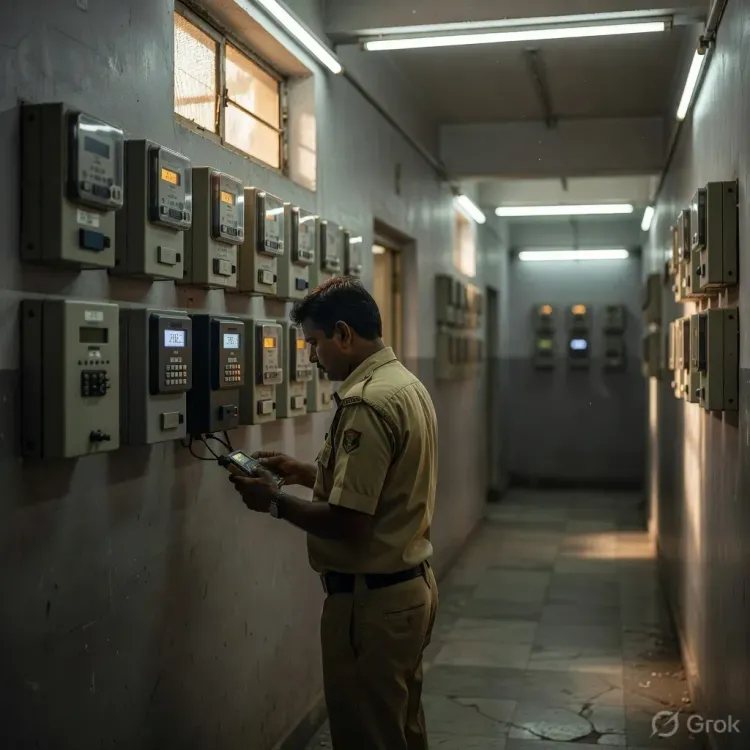
Under the prepaid model, offices must load credits before drawing power, eliminating billing arrears at source.
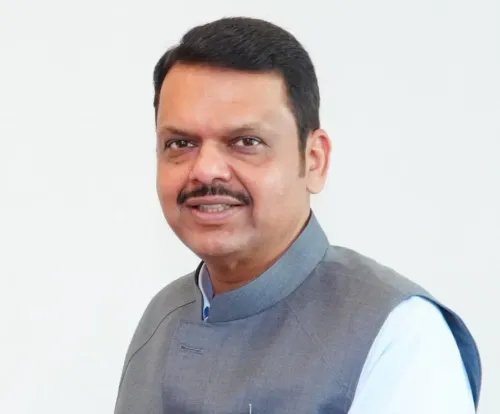
The announcement was made by the Chief Minister's Office of Maharashtra via official channels, with CM Devendra Fadnavis chairing the cabinet.
The current scope covers Mumbai; extension to other cities has not been formally announced but follows the broader pattern of Maharashtra's utility reform push.
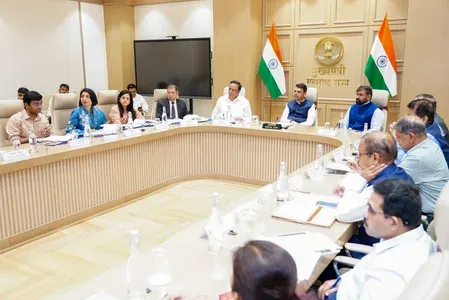
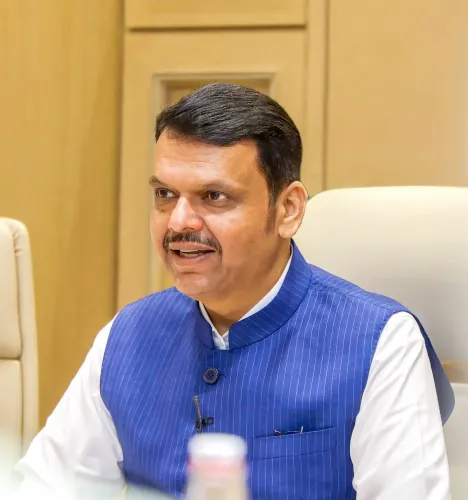
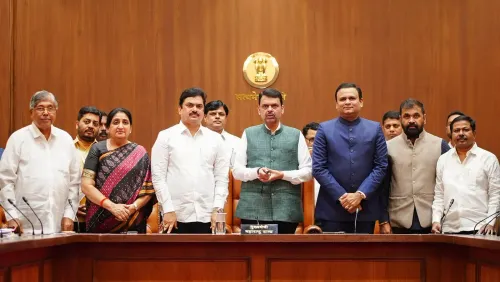
A quiet but consequential administrative fix landed in Mumbai on Wednesday, 5 August 2026: the Maharashtra Cabinet, chaired by Chief Minister Devendra Fadnavis, approved a shift to prepaid power bill payments for government offices in Mumbai — a move that targets one of the most persistent leaks in state utility finances.
The problem prepaid meters are meant to solve
Government buildings have long been among the worst offenders when it comes to unpaid electricity dues. State departments, flush with budgetary allocations but slow on bill settlement, accumulate arrears that quietly strangle the cash flow of power distribution companies. Prepaid metering flips that equation: no credit, no power — the same discipline applied to private consumers now applied to the state itself.
Maharashtra has been pushing administrative reforms to reduce outstanding dues owed by public entities to distribution utilities. The Mumbai government office network, one of the largest concentrations of state-occupied buildings in India, represents a significant chunk of that liability.
What the cabinet decision means in practice
Under the prepaid model, government offices will be required to load credits before drawing electricity — eliminating the billing lag that allows dues to pile up. The shift mirrors a broader national trend: several states have introduced prepaid metering mandates for public buildings as part of distribution sector reform agendas linked to central government incentive frameworks.
The immediate scope covers Mumbai, though the broader pattern of such decisions in Maharashtra suggests eventual extension to government offices in other cities. The timeline for meter installation and the agencies responsible for rollout were not detailed in the cabinet announcement.
Fadnavis's record on utility reform
Devendra Fadnavis, who has served multiple terms as Maharashtra's Chief Minister, has consistently positioned administrative efficiency — particularly in urban infrastructure and utility management — as a signature governance priority. A prepaid mandate for government offices is precisely the kind of structural, low-drama reform that compounds over time: it does not make headlines, but it changes the underlying incentive structure permanently.
The real test will be implementation — how fast meters are installed, whether departments comply, and whether the model eventually travels beyond Mumbai to the rest of the state.
Point of View
Perpetually slow-paying the utilities it oversees. By applying the same prepaid discipline to itself that it demands of low-income consumers, Maharashtra signals a shift in accountability culture. The real political test is rollout speed — past reform announcements in the distribution sector have stalled at the implementation stage. If Fadnavis's government can demonstrate rapid meter installation across Mumbai's government estate, it builds a credible template for the rest of Maharashtra and potentially for other states watching.
NationPress
5 Aug 2026
Frequently Asked Questions
What did the Maharashtra Cabinet decide about government office electricity bills?
The Maharashtra Cabinet approved a shift to prepaid electricity payments for government offices in Mumbai, meaning departments must pay in advance before drawing power rather than receiving monthly bills.
Why is Maharashtra introducing prepaid meters in government offices?
Government offices in Maharashtra have historically accumulated large unpaid electricity dues, straining the finances of power distribution companies. Prepaid metering eliminates this billing lag by requiring advance payment.
Which city will first get prepaid electricity meters in government buildings?
Mumbai is the first city covered under the Maharashtra Cabinet's decision. Extension to government offices in other cities has not been formally announced yet.
Who chairs the Maharashtra Cabinet that approved this decision?
Chief Minister Devendra Fadnavis chairs the Maharashtra Cabinet. He announced the decision on 5 August 2026.
Is prepaid metering for government buildings a new idea in India?
No. Several Indian states have introduced prepaid metering mandates for public buildings as part of power distribution sector reforms. Maharashtra's move follows this broader national trend.