CM Majhi attends Mahanadi water talks in New Delhi
Synopsis
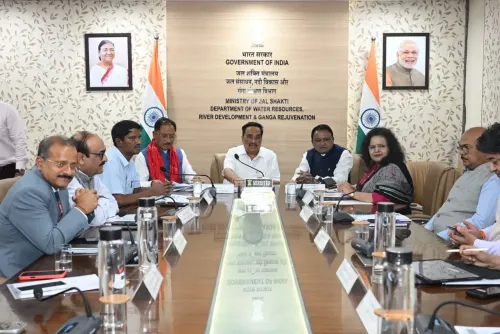
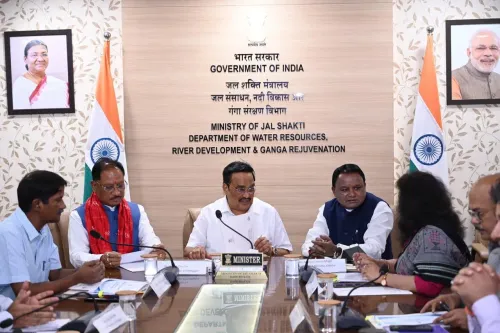
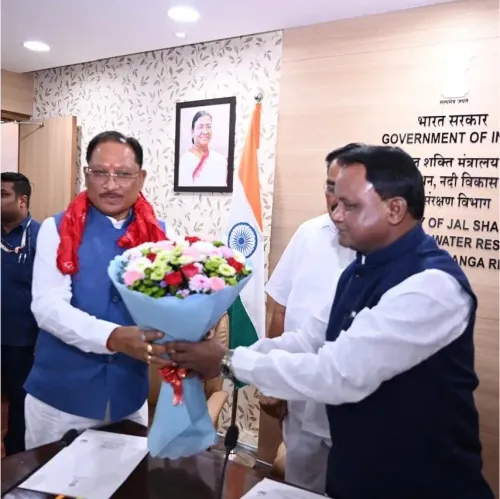
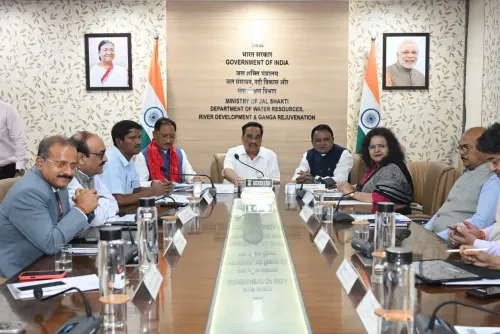
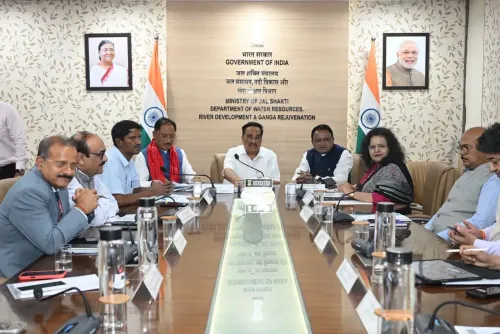
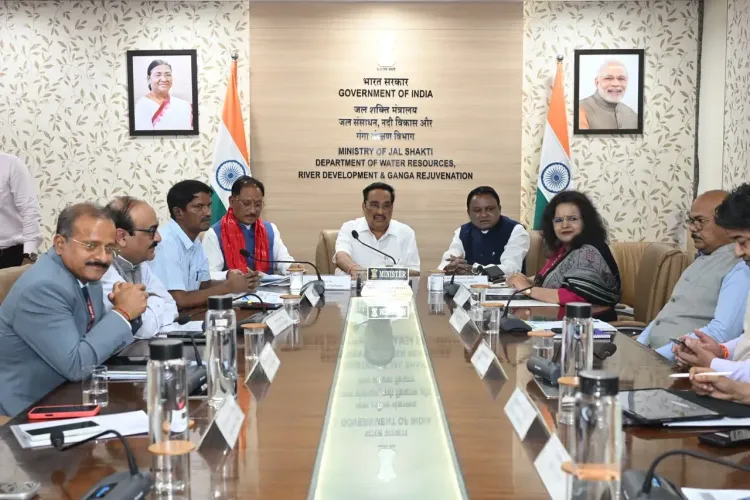
Odisha CM Mohan Charan Majhi attended a high-level Mahanadi water-sharing meeting in New Delhi on 30 July 2026, chaired by Union Jal Shakti Minister C. R. Patil, asserting Odisha's rights firmly while committing to an amicable resolution with Chhattisgarh.
Key Takeaways
Odisha CM Mohan Charan Majhi attended a Mahanadi water-sharing meeting in New Delhi on 30 July 2026 .
The meeting was chaired by Union Jal Shakti Minister C.
Patil and held in the presence of Chhattisgarh CM Vishnu Deo Sai .
Majhi stated Odisha's position was presented 'firmly and unequivocally,' prioritising farmers' interests and state water resources.
Odisha had approached the Supreme Court in 2017 seeking a tribunal for the Mahanadi dispute under the Inter-State River Water Disputes Act, 1956 .
Both states being BJP-governed since 2023 has enabled direct dialogue as an alternative to protracted litigation.
Both sides committed to a 'constructive, amicable and lasting resolution' through mutual cooperation.
The Mahanadi river — lifeline for millions of Odisha's farmers — moved to the centre of high-stakes diplomacy in New Delhi on Thursday, 30 July 2026, as Odisha Chief Minister Mohan Charan Majhi joined a crucial inter-state water-sharing meeting and declared the state's position 'firmly and unequivocally.'
The meeting was chaired by Union Minister of Jal Shakti C. R. Patil and held in the presence of Chhattisgarh Chief Minister Vishnu Deo Sai — bringing the two BJP-governed states and the Union government to the same table over one of India's most entrenched river disputes. CM Majhi posted on X that Odisha placed 'the rights of our people, the interests of our farmers and the protection of the State's water resources above all else.'
A river, two states, and decades of friction
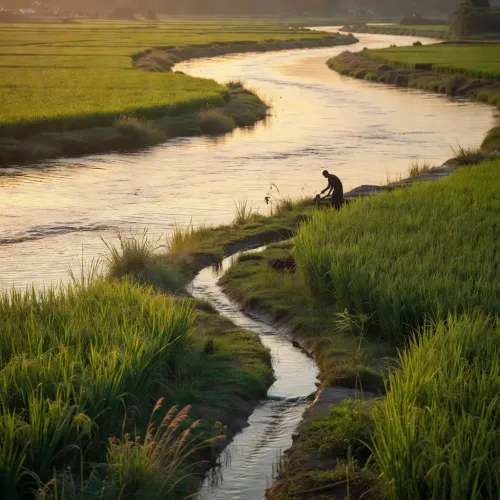
The Mahanadi originates in Chhattisgarh and flows roughly 860 kilometres before emptying into the Bay of Bengal through Odisha. The downstream state has long alleged that upstream dams, barrages and diversion projects in Chhattisgarh have choked the river's flow, threatening irrigation across Odisha's fertile basin. The dispute is not new — in 2017, Odisha moved the Supreme Court seeking a formal tribunal under the Inter-State River Water Disputes Act, 1956.
That tribunal route is slow and adversarial. What has changed since 2023 is political: both states are now governed by the BJP, opening a channel for direct dialogue that was harder to sustain when governments were from rival parties. Thursday's meeting — convened by the Jal Shakti Ministry, the nodal body for inter-state water mediation — is a visible product of that political convergence.
Odisha's non-negotiables on the table
CM Majhi's post signals that Odisha entered the room with a firm brief, not an open slate. The framing — 'protection of the State's water resources above all else' — is a message to domestic audiences, particularly Mahanadi basin farmers whose livelihoods depend on reliable irrigation flows. At the same time, his commitment to 'constructive dialogue, mutual cooperation and goodwill' leaves the door open for a negotiated settlement rather than a return to court.
The Jal Shakti Ministry's role here is significant: under the Inter-State River Water Disputes Act, the Centre must first attempt mediation before a tribunal can be constituted. Thursday's meeting fits squarely within that pre-tribunal space — meaning a durable agreement here could spare both states years of litigation.
What a resolution would mean for the basin
A formal water-sharing framework for the Mahanadi would carry consequences well beyond two state capitals. Farmers across the delta districts of Odisha — dependent on the river for kharif (monsoon-season) paddy cultivation — stand to gain the most from guaranteed downstream flows. On the other side, Chhattisgarh's own irrigation ambitions in the upper basin require legal certainty about how much water it can retain. A bilateral agreement, if it holds, would set a template for how India's BJP-governed states manage shared natural resources through party-channel diplomacy rather than court orders.
The next move belongs to the negotiating teams: whether Thursday's meeting produces a joint statement, a technical committee, or simply another round of talks will determine how quickly this decade-old standoff moves toward resolution.
Point of View
Open to dialogue — is calibrated to reassure Odisha's farming constituency while keeping negotiating space intact. If this round of talks stalls, the Supreme Court route remains the fallback, and the political dividend disappears with it.
NationPress
14 Sept 2026
Frequently Asked Questions
What is the Mahanadi water dispute between Odisha and Chhattisgarh?
The Mahanadi river originates in Chhattisgarh and flows through Odisha to the Bay of Bengal. Odisha alleges that upstream dams and diversions in Chhattisgarh reduce downstream water flows, harming irrigation for its farmers. The dispute has been ongoing for years, with Odisha approaching the Supreme Court in 2017 for a formal tribunal.
Why did Odisha CM Majhi meet Union Minister C. R. Patil on 30 July 2026?
CM Majhi attended a high-level meeting in New Delhi on Mahanadi water sharing and management, chaired by Union Jal Shakti Minister C. R. Patil and attended by Chhattisgarh CM Vishnu Deo Sai, to assert Odisha's water rights and explore an amicable resolution.
What is the Inter-State River Water Disputes Act 1956?
It is the central law under which the Indian government mediates disputes over shared rivers between states. The Union government must first attempt resolution before a formal tribunal can be constituted, making ministry-level meetings like this one a critical step.
What role does the Jal Shakti Ministry play in the Mahanadi dispute?
The Jal Shakti Ministry oversees national water resources and inter-state river issues. It acts as the central mediating body before any formal tribunal is set up under the Inter-State River Water Disputes Act, 1956.
Has the BJP's presence in both Odisha and Chhattisgarh helped resolve the Mahanadi dispute?
Since both states came under BJP governance — Chhattisgarh in 2023 and Odisha in 2024 — direct political dialogue has become more feasible. Thursday's joint meeting is a product of that alignment, though a formal agreement is yet to be reached.