Jal Shakti Minister Paatil Chairs Mahanadi Dispute Meet
Synopsis
Union Jal Shakti Minister C. R. Paatil convened a high-level meeting on 30 July 2026 with the chief ministers of Chhattisgarh and Odisha to advance dialogue on the long-running Mahanadi water dispute, calling for a unanimous, equitable solution through technical cooperation and transparency.
Key Takeaways
Paatil chaired a meeting on 30 July 2026 on the Mahanadi inter-state water dispute .
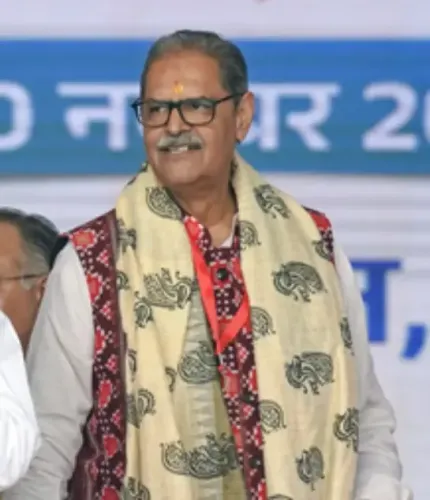
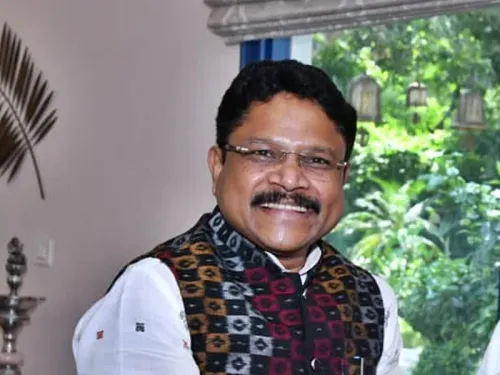
Chhattisgarh CM Vishnu Dev Sai and Odisha CM Mohan Charan Majhi both attended, alongside senior officials of both states.
The Central Water Commission and Jal Shakti Ministry officials provided technical representation.
The Mahanadi Water Disputes Tribunal was constituted in 2018 under the Inter-State River Water Disputes Act, 1956.
Paatil called for a 'unanimous solution' through dialogue, transparency, and technical cooperation — signalling Centre's preference for a negotiated settlement.
Water security was framed as a core pillar of the Viksit Bharat 2047 development agenda.
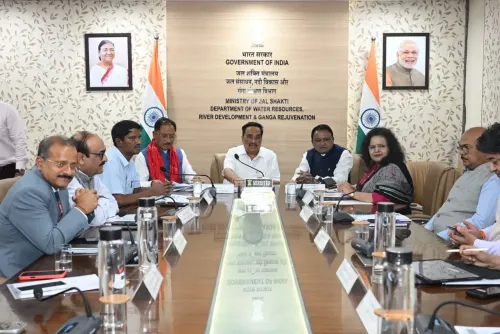
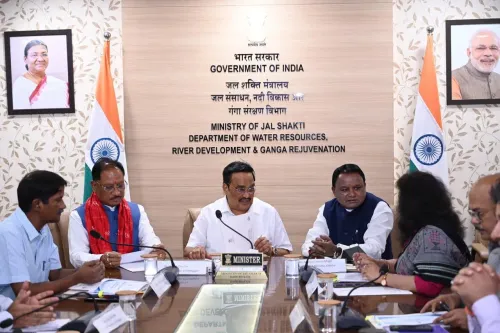
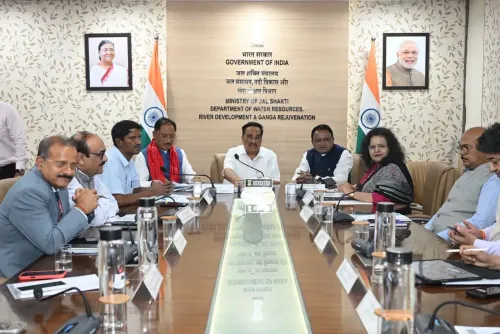
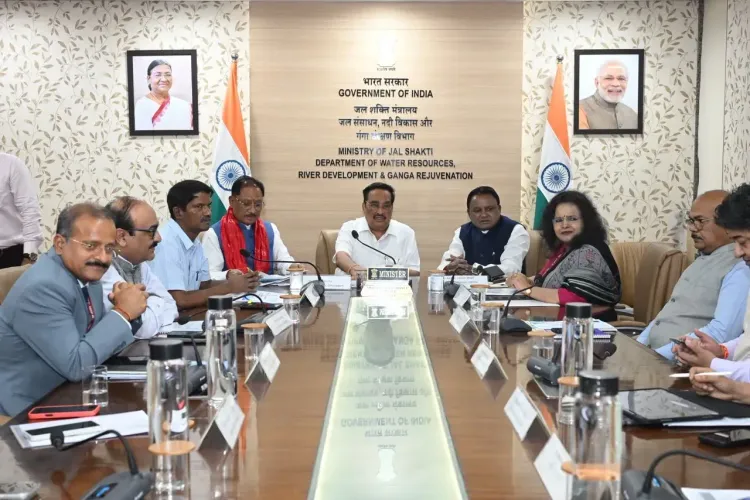
A river that feeds millions in two states — and has divided them for years — moved one step closer to resolution on Thursday, 30 July 2026, when Union Jal Shakti Minister C. R. Paatil convened a high-level meeting on the Mahanadi water dispute, bringing both chief ministers to the same table in a rare display of Centre-brokered cooperative federalism.
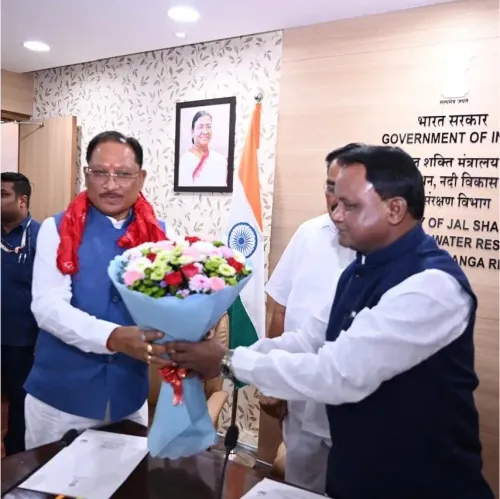
Paatil posted on X that the meeting saw 'extensive and positive discussions' (विस्तृत एवं सकारात्मक चर्चा) with Chhattisgarh Chief Minister Vishnu Dev Sai, Odisha Chief Minister Mohan Charan Majhi, Union Minister of State Tokhan Sahu, senior officials of both state governments, the Jal Shakti Ministry, and the Central Water Commission — the technical body that maps and monitors India's river basins.
What the Mahanadi dispute is actually about
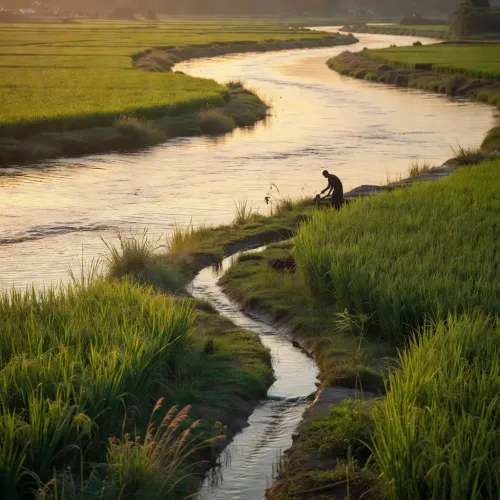
The Mahanadi originates in Chhattisgarh and travels roughly 900 kilometres before emptying into the Bay of Bengal through Odisha. Odisha has long accused Chhattisgarh of constructing barrages and diversion structures upstream that choke flows during the lean season, threatening irrigation and drinking water for millions in the delta. Chhattisgarh contests the claims, arguing its projects are within legal limits.
The dispute reached a formal legal stage when the Mahanadi Water Disputes Tribunal was constituted in 2018 under the Inter-State River Water Disputes Act, 1956. Tribunal proceedings, however, are slow by design — they gather data, hear arguments, and adjudicate over years. Political-level dialogue, like Thursday's meeting, runs on a parallel track and can unlock practical cooperation — data sharing, project clearances, joint monitoring — well before any final award.
Paatil's push for consensus over litigation
The minister's post struck a deliberate tone of optimism without claiming a breakthrough. He expressed confidence that 'through continuous dialogue, transparency, and technical cooperation, a unanimous solution to the Mahanadi water dispute will emerge — one that protects the interests of both states while ensuring equitable and sustainable use of water resources.'
That framing matters. 'Unanimous solution' signals the Centre's preference for a negotiated settlement over a purely tribunal-driven outcome — a softer, faster path that avoids years of additional litigation and keeps both BJP-governed state governments aligned with New Delhi's federal compact.
Water security as a Viksit Bharat pillar
Paatil explicitly tied the meeting to Prime Minister Narendra Modi's Viksit Bharat 2047 vision, calling water security 'among our highest priorities' and describing coordinated effort across all states as 'our greatest strength.' The framing is consistent with the Jal Shakti Ministry's broader mandate — from the Jal Jeevan Mission to inter-state river management — which positions water as a foundational input for India's development ambitions over the next two decades.
For the farmers and communities of the Mahanadi basin on both sides of the state border, the test will come not in the language of the post but in what follows: joint technical committees, shared hydrological data, and agreed protocols on upstream storage. Those are the building blocks of a durable settlement — and the metrics to watch.
Point of View
The Modi government has a rare window to broker a consensus settlement that would be politically unifying rather than divisive. Framing the talks under 'cooperative federalism' and tying them to Viksit Bharat 2047 also serves to elevate a state-level resource conflict into a national development narrative. The real test is whether this meeting produces concrete technical deliverables — data-sharing protocols, joint monitoring — or remains a goodwill signal.
NationPress
13 Sept 2026
Frequently Asked Questions
What is the Mahanadi water dispute between Chhattisgarh and Odisha?
The Mahanadi dispute centres on Odisha's claim that Chhattisgarh's upstream barrages and diversion projects reduce water flows into Odisha, harming irrigation and drinking water supply in the delta region. Chhattisgarh contests this, saying its projects are lawful. A formal tribunal was set up in 2018 to adjudicate the issue.
When was the Mahanadi Water Disputes Tribunal set up?
The Mahanadi Water Disputes Tribunal was constituted in 2018 under the Inter-State River Water Disputes Act, 1956, to hear and adjudicate the competing claims of Odisha and Chhattisgarh over the river's waters.
Who attended the Mahanadi dispute meeting on 30 July 2026?
The meeting was chaired by Union Jal Shakti Minister C. R. Paatil and was attended by Chhattisgarh CM Vishnu Dev Sai , Odisha CM Mohan Charan Majhi , Union MoS Tokhan Sahu , and senior officials of both state governments, the Jal Shakti Ministry, and the Central Water Commission.
What is the role of the Central Water Commission in inter-state river disputes?
The Central Water Commission is a technical body under the Jal Shakti Ministry that collects hydrological data, monitors river basins, and provides expert assessments. In inter-state disputes, it serves as a neutral technical reference point for both the tribunal and political-level negotiations.
What is Viksit Bharat 2047 and how does water security relate to it?
Viksit Bharat 2047 is Prime Minister Modi's vision to make India a developed nation by the centenary of its independence. Water security — covering irrigation, drinking water, and sustainable river management — is positioned as a foundational requirement for achieving the economic and social targets embedded in that vision.