Amit Shah to chair Odisha-Chhattisgarh meet on Mahanadi dispute today
Synopsis
With BJP ruling both states and the Centre, Home Minister Amit Shah is personally chairing talks today to resolve the Mahanadi water dispute — a conflict that has festered since 2016 over Chhattisgarh's upstream barrages and Odisha's downstream livelihoods. A settlement now looks closer than ever.
Key Takeaways
Home Minister Amit Shah will chair a meeting with the CMs of Odisha and Chhattisgarh on 1 October 2026 to advance Mahanadi water dispute resolution.
The dispute dates to 2016 , with Odisha alleging at least eight upstream barrages built by Chhattisgarh have cut downstream flow.
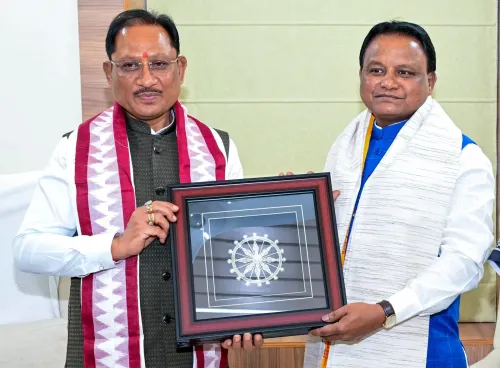
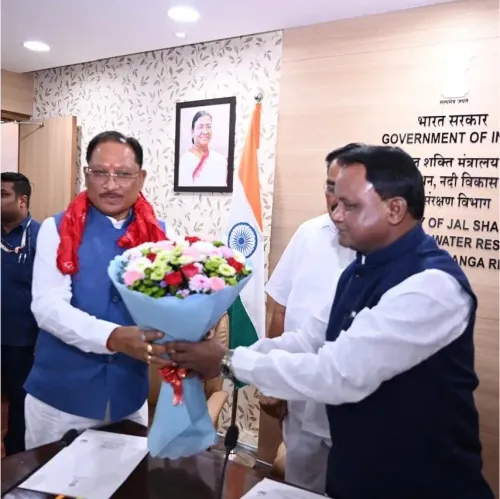
Chhattisgarh CM Vishnu Deo Sai met Odisha CM Mohan Charan Majhi in Bhubaneswar on 20 September , expressing confidence in an early resolution.
Both states have given consent to the Central Water Commission to mediate through mutual dialogue.
BJP holds power in both states and at the Centre, reducing political friction in the negotiations.
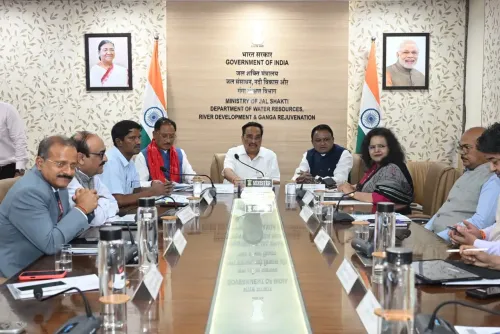
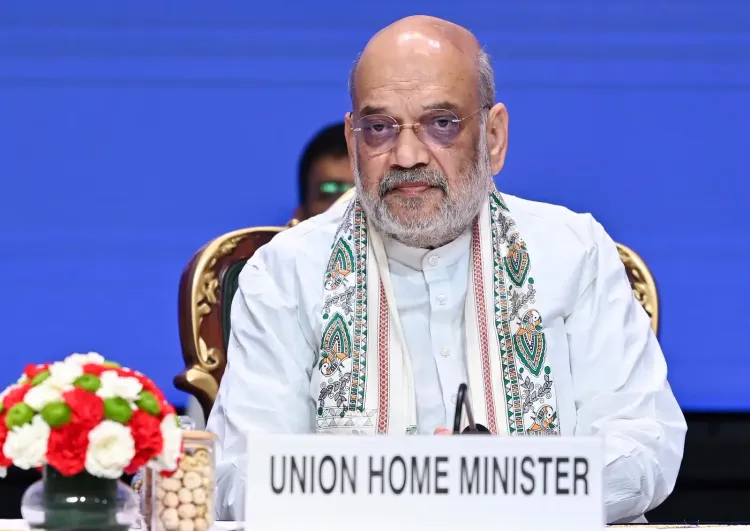
Union Home Minister Amit Shah will on Thursday, 1 October 2026, chair a high-level meeting with the Chief Ministers of Odisha and Chhattisgarh in New Delhi to accelerate resolution of the long-standing Mahanadi water dispute. The meeting is aimed at advancing talks on equitable sharing of the river's waters between the two states.
Background to the Dispute
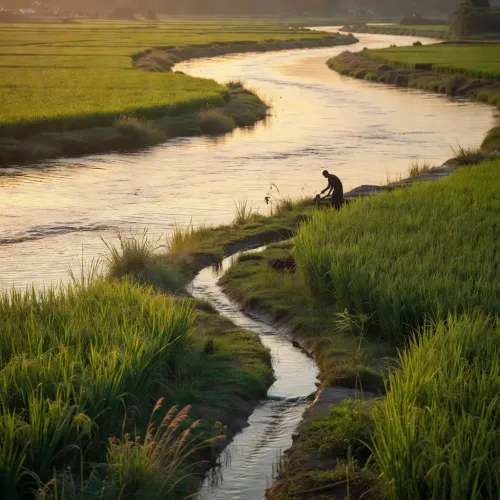
The Mahanadi River dispute dates back to 2016, when Odisha alleged that Chhattisgarh's unilateral construction of at least eight barrages upstream had reduced downstream water flow, adversely affecting agriculture, fisheries, and power generation. Odisha regards the Mahanadi as its 'lifeline' for all three sectors. The two states have been locked in a protracted disagreement, with the matter referred to the Central Water Commission for technical review.
Recent Diplomatic Progress
The Shah-chaired meeting follows a bilateral meeting held on 20 September, when Chhattisgarh Chief Minister Vishnu Deo Sai visited Odisha Chief Minister Mohan Charan Majhi in Bhubaneswar. Speaking to reporters on arrival, Sai struck a conciliatory tone: 'There is no dispute over Mahanadi water. As the BJP is in power in both the states, Chhattisgarh and Odisha, as well as at the Centre, this is going to be resolved very soon. Several long-pending inter-state river water disputes are also being settled amicably. So, the Mahanadi water dispute between Chhattisgarh and Odisha will also be resolved soon.'
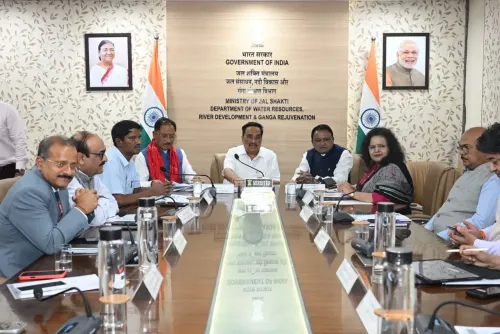
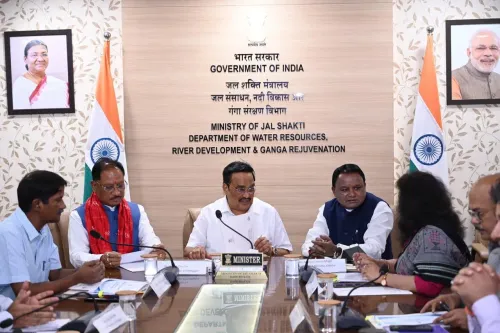
Sai also noted that the Chief Ministers of both states, along with senior officials, had previously met in New Delhi and gave their consent to the Central Water Commission to pursue resolution through mutual dialogue.
What the Chief Ministers Said
Odisha Chief Minister Mohan Charan Majhi posted on X about the bilateral meeting, writing: 'It was a pleasure to receive Hon'ble Chief Minister of Chhattisgarh, Shri Vishnu Deo Sai Ji, at my residence. We had a fruitful interaction on strengthening cooperation between Odisha and Chhattisgarh and advancing our shared commitment towards the development and welfare of our people.'
The warmth of the exchange signals a marked departure from the adversarial tone that had characterised relations between the two states in earlier phases of the dispute.
Why the Centre Is Stepping In
The Centre's direct involvement — with Amit Shah personally chairing Thursday's talks — reflects the ruling Bharatiya Janata Party's stated goal of resolving inter-state river disputes amicably, particularly where it governs both states simultaneously. Both Odisha and Chhattisgarh are currently ruled by the BJP, removing a layer of political friction that had previously complicated negotiations. This is the most significant Centre-mediated intervention in the Mahanadi dispute in recent years.
What Comes Next
Thursday's meeting is expected to produce a road map for structured talks, potentially assigning the Central Water Commission a formal mediation role. Experts say any durable settlement will require an agreed hydrological framework for upstream storage limits. The outcome of the Shah-chaired meeting will be closely watched by farmers and fishermen in Odisha's Mahanadi delta, where downstream flow is critical to seasonal livelihoods.
Point of View
Chhattisgarh, and the Centre creates a rare window to settle a dispute that festered for nearly a decade under divided governance — but political goodwill is not the same as a hydrological agreement. The core contention — how much upstream storage Chhattisgarh is permitted — requires a technically binding framework, not just a press conference of mutual warmth. Thursday's meeting matters most if it assigns the Central Water Commission a formal, enforceable mediation mandate with a deadline. Without that, the risk is a replay of past rounds: high-level optics, slow implementation.
NationPress
1 Oct 2026
Frequently Asked Questions
What is the Mahanadi water dispute between Odisha and Chhattisgarh?
The Mahanadi water dispute is a long-standing conflict dating to 2016, in which Odisha has alleged that Chhattisgarh's unilateral construction of at least eight upstream barrages has reduced downstream water flow, harming agriculture, fisheries, and power generation. Odisha considers the Mahanadi its 'lifeline' for these sectors.
Why is Home Minister Amit Shah chairing the Mahanadi meeting?
The Centre has stepped in directly, with Amit Shah chairing the talks, to accelerate a resolution that has eluded the two states for nearly a decade. With the BJP governing both Odisha and Chhattisgarh as well as the Centre, there is political alignment to push through a settlement.
What did Chhattisgarh CM Vishnu Deo Sai say about the dispute?
Speaking in Bhubaneswar on 20 September, Sai said there was no major problem between the two states and expressed confidence the dispute would be resolved soon, citing BJP's simultaneous governance of both states and the Centre as a key factor.
What role does the Central Water Commission play in this dispute?
The Chief Ministers of both states and their senior officials have given consent to the Central Water Commission to resolve the Mahanadi dispute through mutual dialogue. The Commission is expected to be assigned a formal mediation role following Thursday's meeting.
Who is affected by the Mahanadi water dispute?
Farmers, fisherfolk, and communities dependent on power generated along the Mahanadi in Odisha are most directly affected, as reduced downstream flow impacts seasonal agriculture and livelihoods in the river's delta region.