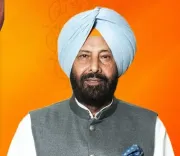
CM Sai joins Amit Shah's high-level meet on Mahanadi water management
Synopsis
Chhattisgarh CM Vishnu Deo Sai joined Odisha CM Mohan Charan Majhi at a high-level New Delhi meeting chaired by Union Home Minister Amit Shah to chart a cooperative water-management framework for the Mahanadi, aiming to strengthen irrigation and unlock new projects in both states.
Key Takeaways
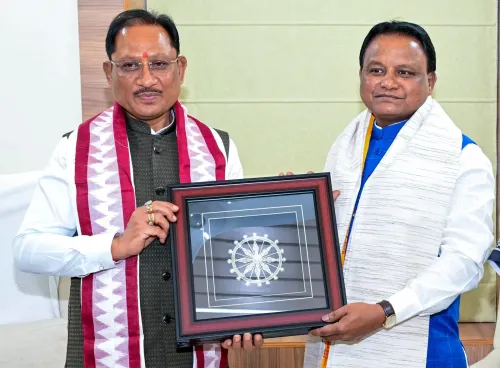
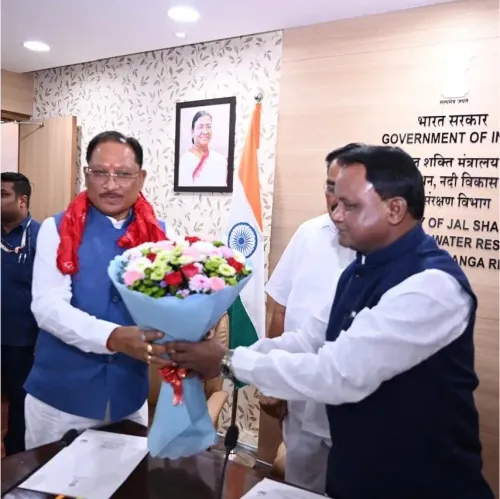
Chhattisgarh CM Vishnu Deo Sai and Odisha CM Mohan Charan Majhi met in New Delhi on 1 October 2026 to discuss Mahanadi water management.
The meeting was chaired by Union Home Minister Amit Shah and attended by Jal Shakti Minister C.
Both states agreed to pursue solutions through mutual dialogue, cooperation, and a scientific approach rather than legal confrontation.
The stated goals include strengthening irrigation systems in both Chhattisgarh and Odisha and opening new water projects.
Sai framed the initiative under PM Modi's leadership and the 'double engine government' model linking both BJP-ruled states with the Centre.
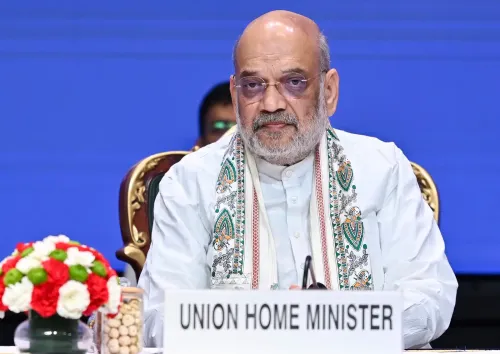
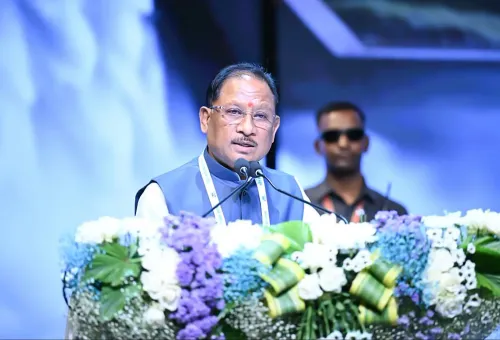
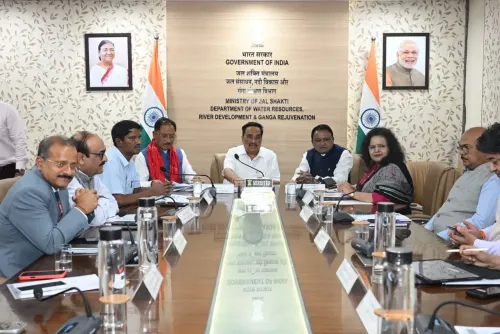
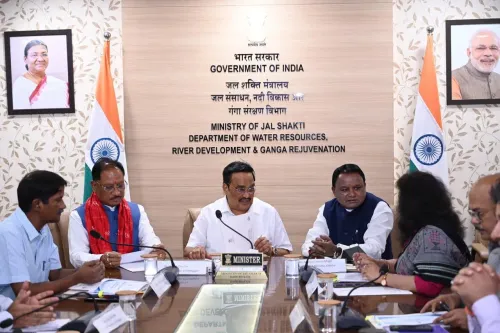
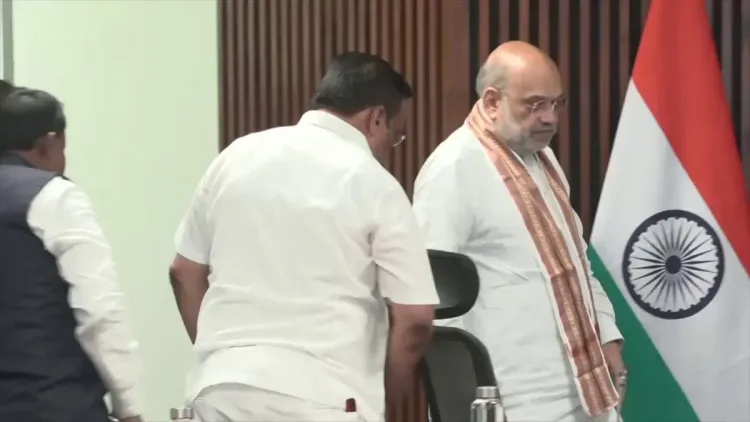
A river that feeds two states, sustains millions of farmers, and has long been a flashpoint between neighbours came back to the centre of federal diplomacy on Thursday, 1 October 2026 — this time with both chief ministers in the same room. Chhattisgarh Chief Minister Vishnu Deo Sai travelled to New Delhi to participate in a high-level meeting on Mahanadi river water management, chaired by Union Home and Cooperation Minister Amit Shah and attended by Union Jal Shakti Minister C. R. Patil and Odisha Chief Minister Mohan Charan Majhi.
What brought both CMs to Delhi — and why it matters
The Mahanadi has been a source of tension between Chhattisgarh and Odisha for years, with Odisha repeatedly raising concerns that upstream barrages and projects in Chhattisgarh reduce the river's flow before it reaches its lower basin. The meeting signals a shift: instead of litigation and accusations, the two BJP-governed states are now pursuing what Sai called 'aapasi samvad, sahyog aur vaigyanik drishtikon' — 'mutual dialogue, cooperation and a scientific approach.'
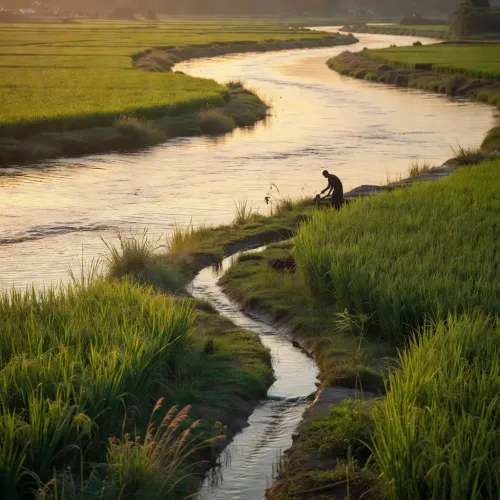
Sai described the Mahanadi not merely as a water source but as the lifeline of both states — intertwined with agriculture, everyday life, and culture across Chhattisgarh and Odisha. His post underlined a shared ambition: better water management that strengthens irrigation systems in both states and opens the door to new projects.
Amit Shah in the chair — the political significance
That Amit Shah presided over the meeting, rather than the Jal Shakti Ministry alone, is itself a signal. Inter-state river disputes in India often get stuck in legal tribunals for decades; direct intervention by the Home Minister compresses that timeline and signals political will at the highest level. Jal Shakti Minister C. R. Patil's presence ensured the technical and regulatory arm of the Centre was also at the table.
Sai credited the initiative to Prime Minister Narendra Modi's leadership, framing the meeting as an outcome of the 'double engine government' model — where BJP ruling both states and the Centre is positioned as removing the friction that typically dogs inter-state water negotiations.
What both states want from the Mahanadi
For Chhattisgarh, the Mahanadi is the principal river system and a critical resource for its predominantly agrarian economy. The state has pursued multiple upstream storage and diversion projects that it argues are within its rights. For Odisha, the river's lower stretch feeds the fertile coastal delta, and any reduction in flow directly threatens the kharif and rabi crop cycles of millions of farmers.
The joint framing of 'solutions in the interest of both states' — rather than either state's maximalist claim — suggests the meeting aimed at a negotiated operational framework rather than a legal adjudication.
If that framework holds, it could become a template for how India resolves inter-state river conflicts under a shared political umbrella — moving the dispute from courtrooms to conference rooms.
Point of View
The BJP is demonstrating that its 'double engine' model can dissolve inter-state friction where previous governments could not. The framing of 'scientific approach' is significant — it signals an attempt to depoliticise allocation decisions and anchor them in hydrology data, which could reduce the grievance politics that historically inflamed the Mahanadi dispute. Whether this produces a durable water-sharing framework or remains a diplomatic photo-op will depend on the operational details that emerge from the technical committees likely tasked at this meeting.
NationPress
1 Oct 2026
Frequently Asked Questions
What is the Mahanadi river dispute between Chhattisgarh and Odisha?
The dispute centres on Odisha's concern that upstream barrages and storage projects built by Chhattisgarh reduce the Mahanadi's water flow into Odisha's fertile coastal delta, threatening irrigation and farming for millions. The 1 October 2026 New Delhi meeting aimed to find a cooperative solution rather than pursue legal arbitration.
Why did Amit Shah chair the Mahanadi meeting instead of the Jal Shakti Ministry?
Union Home Minister Amit Shah chaired the meeting to signal high-level political will, as inter-state river disputes in India often stall in legal tribunals for decades. His involvement, alongside Jal Shakti Minister C. R. Patil, compressed the diplomatic process and underlined Centre-level commitment to a resolution.
Who attended the Mahanadi high-level meeting on 1 October 2026?
The meeting was attended by Chhattisgarh Chief Minister Vishnu Deo Sai, Odisha Chief Minister Mohan Charan Majhi, Union Home Minister Amit Shah (who chaired it), and Union Jal Shakti Minister C. R. Patil, in New Delhi.
What outcomes did the Mahanadi meeting aim to achieve?
The meeting sought to establish a framework for better Mahanadi water management that benefits both Chhattisgarh and Odisha — strengthening irrigation in both states and creating pathways for new water infrastructure projects, guided by dialogue and a scientific approach.
What is the 'double engine government' argument in the context of the Mahanadi talks?
The 'double engine government' refers to the BJP governing both Chhattisgarh and Odisha as well as the Centre, which CM Sai argues removes the political friction typical of inter-state disputes and enables faster, cooperative problem-solving under PM Modi's leadership.