CM Majhi Meets Central Team Assessing Odisha Cyclone-Flood Damage
Synopsis
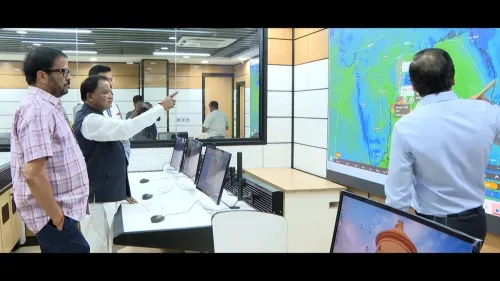
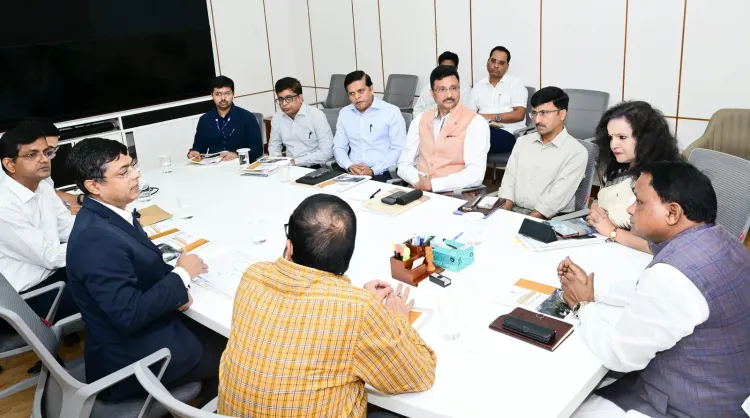
Odisha Chief Minister Mohan Charan Majhi met a central inter-ministerial assessment team on November 5, 2026 to discuss damage caused by cyclone and floods, pressing for relief, infrastructure restoration, and compensation for affected residents under the NDRF framework.
Key Takeaways
CM Mohan Charan Majhi held talks with a central inter-ministerial assessment team on November 5, 2026 over cyclone and flood damage in Odisha.
The meeting covered three priorities: assistance, restoration, and compensation for people in affected areas.
Under the Disaster Management Act, 2005 , a central team assessment is the mandatory gateway for releasing National Disaster Response Fund (NDRF) aid to states.
Odisha's State Disaster Response Fund (SDRF) provides first-line support; central NDRF funds supplement for larger-scale disasters.
The quantum of central assistance will be determined once the team submits its damage assessment report to New Delhi .
Odisha's history of cyclonic events — including Cyclone Fani (2019) — has shaped its robust state-centre disaster coordination protocols.
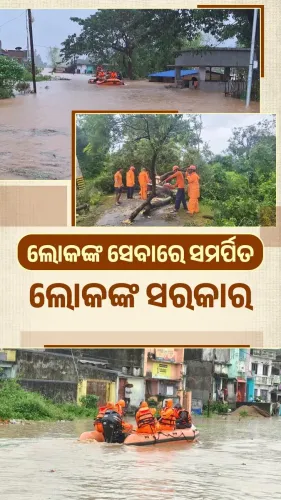
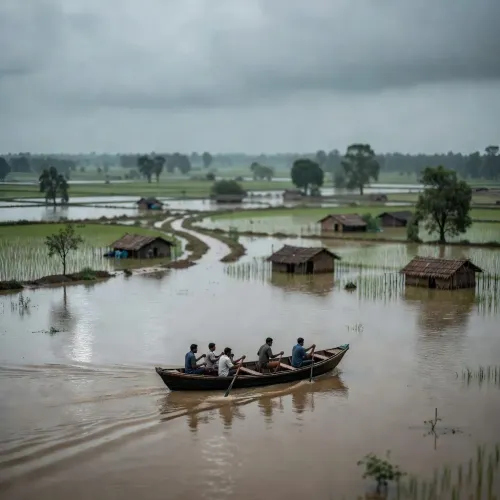
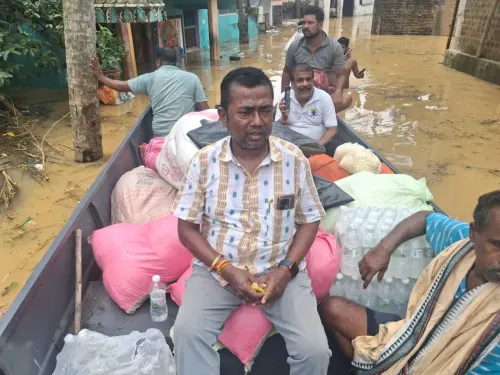
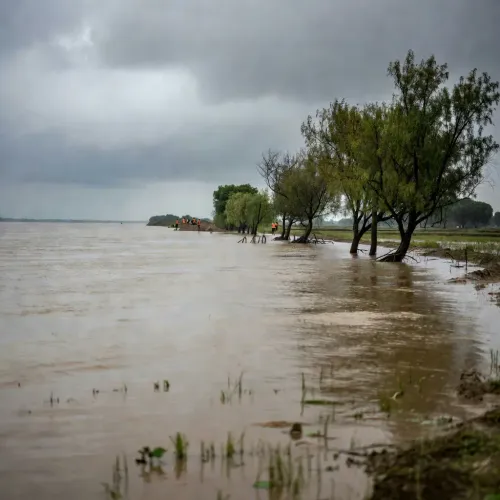
Relief, recovery, and compensation — those are the three words now driving every conversation between Bhubaneswar and New Delhi as Odisha Chief Minister Mohan Charan Majhi sat down on Thursday, November 5, 2026 with a central inter-ministerial assessment team dispatched to gauge the scale of destruction left behind by cyclone and flood events that have battered the state.
The Chief Minister's Office confirmed that the meeting focused squarely on the steps the state government is taking toward 'sahayata, punaruddhar o kshatipooran' — assistance, restoration, and compensation — for people in affected areas. The central team's visit is the formal trigger for unlocking funds under the National Disaster Response Fund framework.
Why the Central Team's Visit Matters
Under the Disaster Management Act, 2005, an inter-ministerial central team must physically assess damage before the Government of India can release National Disaster Response Fund (NDRF) assistance to any state. This is not a courtesy call — it is the mandatory gateway to central money. The team evaluates destruction across categories: housing, agriculture, roads, and community infrastructure.
Odisha's coastline, pressed hard against the Bay of Bengal, has made this process a recurring one. Following Cyclone Fani in 2019, a similar central team assessed the state's losses before a substantial federal assistance package was released. The institutional muscle memory from that exercise has shaped how both sides approach the current round of talks.
What CM Majhi Is Pushing For
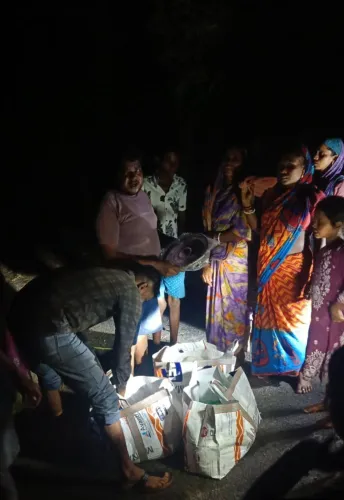
At the meeting, Chief Minister Majhi emphasised the state government's ongoing relief operations in impacted districts and laid out the assistance measures already deployed on the ground. The pitch to the central team, in effect, is a documentation exercise: every damaged home, every breached embankment, every inundated crop must be on record before the funds equation is settled.
The state's State Disaster Response Fund (SDRF) provides the first line of financial response, but for a coastal state that absorbs cyclonic hits with grim regularity, central top-up through the NDRF is the difference between partial and full recovery for the most vulnerable families.
The Numbers and Names Still to Come
Specific figures for assessed damage — and the quantum of central assistance likely to follow — will emerge once the inter-ministerial team submits its report. District administrations in affected areas are the critical link here, feeding ground-level damage data upward. How quickly that pipeline flows will determine how fast compensation reaches the people who need it most.
Odisha has long been held up as a model for disaster preparedness in South Asia. The question now is whether that preparedness machinery translates, with equal efficiency, into the recovery phase — because for the families still counting losses, preparation is already yesterday's story.
Point of View
Efficiently navigating the NDRF pipeline after a major disaster is an early governance test with direct electoral visibility at the district level. The Centre-state coordination dynamic also matters: smooth inter-ministerial processes strengthen the case for Odisha being treated as a priority in the national disaster assistance queue. If assessed figures are large and central funds arrive quickly, it sets a template for how the Majhi government handles future cyclonic seasons on one of India's most storm-exposed coastlines.
NationPress
5 Nov 2026
Frequently Asked Questions
Why did a central team visit Odisha after the cyclone and floods?
A central inter-ministerial team visits disaster-hit states to physically assess damage under the Disaster Management Act, 2005. This assessment is mandatory before the central government can release National Disaster Response Fund (NDRF) assistance to the state.
What did CM Majhi discuss with the central assessment team?
CM Mohan Charan Majhi discussed the relief, restoration, and compensation measures being taken by the Odisha state government for people in cyclone and flood-affected areas, and stressed the need for central support.
What is the NDRF and how does Odisha benefit from it?
The National Disaster Response Fund is the central government's primary pool for financing disaster relief and recovery. After a central team certifies losses, states like Odisha receive grants to supplement their own State Disaster Response Fund (SDRF) for rebuilding homes, roads, and livelihoods.
Has a central team assessed Odisha cyclone damage before?
Yes. After Cyclone Fani devastated Odisha in 2019, a similar central inter-ministerial team assessed damage before federal assistance was released. The 2019 experience established the procedural template used in subsequent assessments.
When will Odisha receive central disaster funds after this meeting?
The quantum of central assistance will be determined once the inter-ministerial team submits its damage assessment report to the Government of India. The timeline depends on how quickly district-level data is compiled and the report finalised.