CM Majhi: Odisha Signs $11.5 Bn Aluminium FDI Deal With IHC
Synopsis
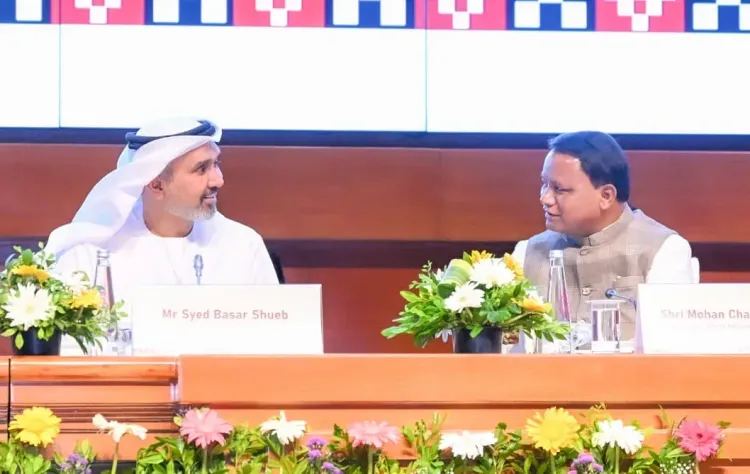
Odisha Chief Minister Mohan Charan Majhi joined the signing of an MoU between IPICOL and Abu Dhabi's IHC for a proposed USD 11.5 billion integrated aluminium project to be developed by Adani Enterprises and IRH, potentially India's largest FDI in mining and metallurgy, promising over 53,500 jobs.
Key Takeaways
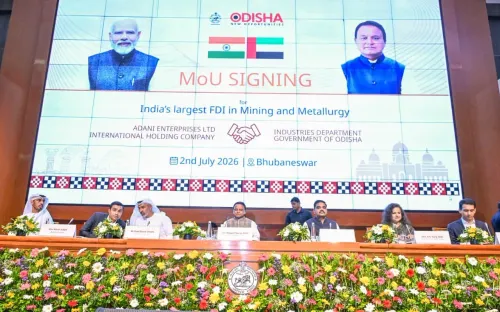
An MoU was signed between IPICOL and International Holding Company (IHC), Abu Dhabi on 2 July 2026 for a proposed mega integrated aluminium value chain project in Odisha .
The project will be developed through a joint venture between Adani Enterprises Limited and International Resources Holding (IRH) , an IHC Group company.
Proposed investment stands at approximately USD 11.5 billion (₹1.10 lakh crore) , projected to be India's largest FDI in the mining and metallurgy sector .
The project is expected to generate over 53,500 employment opportunities across the value chain.
The investment is framed within the Purvodaya initiative and the Viksit Odisha 2036 and Viksit Bharat 2047 development frameworks.
Next steps include finalisation of the joint venture structure and receipt of environmental and mining clearances.
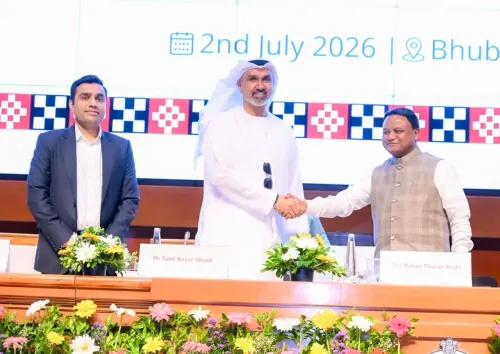
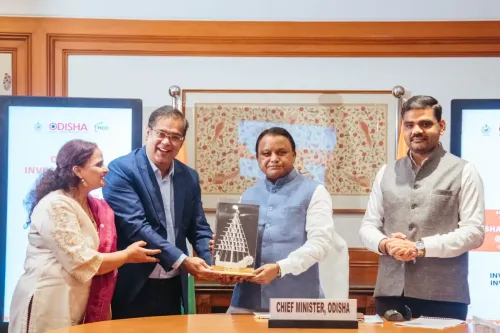
Odisha Chief Minister Mohan Charan Majhi attended an MoU signing ceremony on 2 July 2026 between IPICOL and International Holding Company (IHC) of Abu Dhabi, formalising a proposed mega integrated aluminium value chain project in the state. The proposed project, to be developed through a joint venture between Adani Enterprises Limited and International Resources Holding (IRH), an IHC Group company, carries a proposed investment of approximately USD 11.5 billion (₹1.10 lakh crore).
Context
Posting on X, Chief Minister Majhi described the occasion as 'a defining milestone in Odisha's industrial journey.' He noted that the partnership is expected to create over 53,500 employment opportunities and position Odisha as a key player in the global aluminium supply chain. If the investment materialises as announced, it is projected to be India's largest FDI in the mining and metallurgy sector.
IPICOL — the Industrial Promotion and Investment Corporation of Odisha Limited — is the state's nodal agency for attracting and facilitating industrial investment. Its role in anchoring the MoU signals the Odisha government's direct institutional commitment to the project.
Policy Backdrop
The proposed project aligns with two overlapping policy frameworks. The Centre's Purvodaya initiative is designed to channel investment into eastern Indian states, including Odisha, which holds significant bauxite reserves critical for aluminium production. Chief Minister Majhi explicitly credited 'the visionary leadership of Prime Minister Narendra Modi' and the Purvodaya vision in his post.
India has for several years sought to build domestic aluminium value chains to reduce import dependence and upgrade the country's position in global metals markets. Eastern states with mineral endowments are being prioritised to create integrated manufacturing clusters, with emphasis on green metals and sustainable industrialisation — themes Majhi highlighted in his statement. Both the Viksit Odisha 2036 and Viksit Bharat 2047 frameworks were invoked as long-term anchors for the investment.
Stakeholders and Impact
The joint venture structure pairs Adani Enterprises Limited, a major Indian conglomerate active in mining, energy and infrastructure, with IRH, a resource-focused arm of the IHC Group from Abu Dhabi. The pairing brings together domestic operational scale and Gulf sovereign-linked capital, a combination that has become increasingly common in India's infrastructure and resources sectors.
Chief Minister Majhi framed the project's significance beyond capital inflow: 'By promoting green metals, sustainable industrialisation, technological advancement and large-scale employment for our youth, this project will accelerate Odisha's emergence as one of India's leading industrial destinations.' The 53,500 projected jobs span direct and indirect employment across the value chain, though the specific breakdown was not detailed in the announcement.
What's Next
The MoU marks the beginning of a formal process rather than a concluded transaction. The joint venture between Adani Enterprises and IRH must be finalised, and the project will require environmental and mining clearances before ground can be broken. Regulatory timelines for integrated aluminium projects of this scale in India have historically varied considerably.
Odisha's ability to fast-track clearances and provide land and infrastructure support will be closely watched by investors and industry observers. The state's track record with large-scale metals investment — including existing steel and aluminium operations — will be a reference point as the Adani-IRH venture moves from MoU to implementation.
Point of View
Combining Gulf sovereign-linked capital with Adani's domestic operational footprint in a sector where India has long sought to build downstream value chains. For Chief Minister Majhi, the announcement serves a dual purpose: it demonstrates early delivery on the BJP government's investment-attraction mandate in Odisha and ties the state's trajectory explicitly to Prime Minister Modi's Purvodaya and Viksit Bharat frameworks. The scale of the proposed investment — if it clears regulatory and environmental hurdles — would materially shift Odisha's profile from a raw-mineral exporter to an integrated metals manufacturer. The critical variable remains the pace of clearances, which has historically been the chokepoint for large-scale mining and metallurgy projects in India.
NationPress
2 Jul 2026
Frequently Asked Questions
What is the IPICOL-IHC MoU signed in Odisha about?
The MoU is an agreement between IPICOL, Odisha's state investment promotion agency, and International Holding Company (IHC) of Abu Dhabi for a proposed mega integrated aluminium value chain project in Odisha, to be developed as a joint venture between Adani Enterprises Limited and IHC's subsidiary International Resources Holding (IRH).
How much is the proposed investment in the Odisha aluminium project?
The proposed investment is approximately USD 11.5 billion, equivalent to around ₹1.10 lakh crore, which is projected to be India's largest FDI in the mining and metallurgy sector.
How many jobs will the Odisha aluminium project create?
The project is expected to create over 53,500 employment opportunities, spanning direct and indirect roles across the integrated aluminium value chain.
What is the Purvodaya initiative mentioned in the Odisha investment announcement?
Purvodaya is a central government framework aimed at accelerating industrial and economic growth in eastern Indian states, including Odisha, by channelling investment into the region's resource-rich areas and building manufacturing clusters.
What are the next steps after the Odisha-IHC MoU signing?
The Adani-IRH joint venture structure must be formally constituted, and the project will require environmental and mining clearances from relevant authorities before construction can begin.