CM Majhi Launches Gyanodaya Free Education KG to PG in Odisha
Synopsis
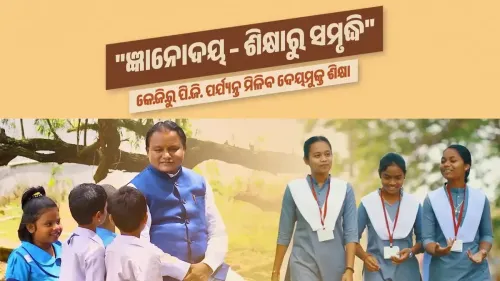
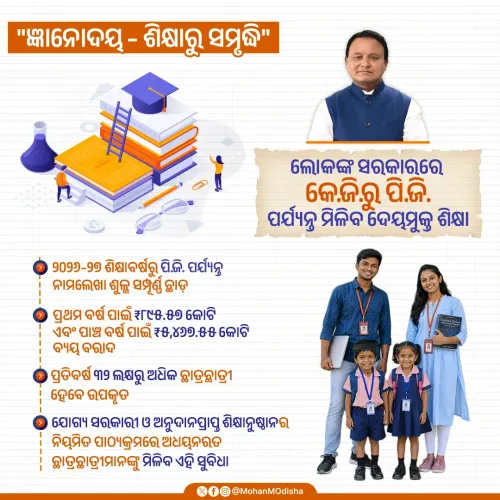
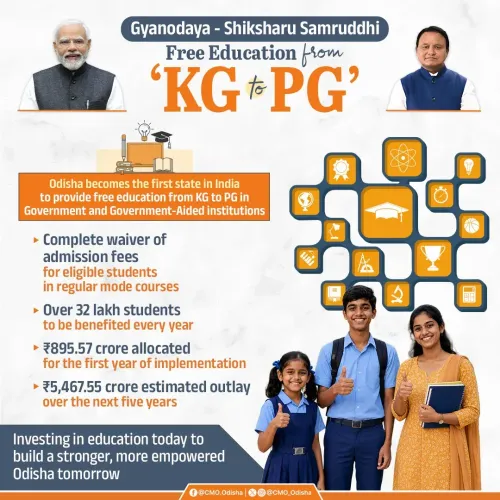
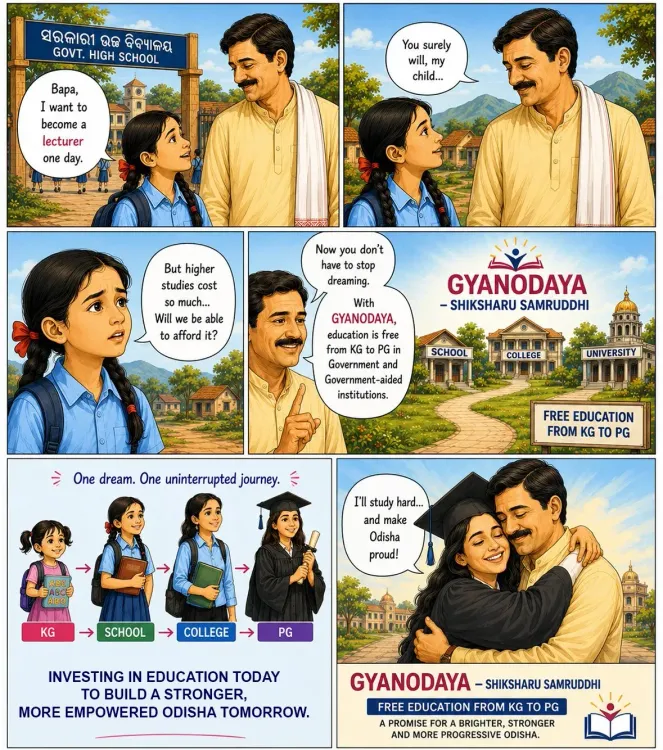
Odisha Chief Minister Mohan Charan Majhi has announced Gyanodaya – Shiksharu Samruddhi, a scheme promising free education from KG to post-graduation in all government and government-aided institutions, framing it as the foundation of a prosperous, developed Odisha aligned with the Viksit Bharat vision.
Key Takeaways
Gyanodaya – Shiksharu Samruddhi promises free education from kindergarten to post-graduation in Odisha's government and government-aided institutions.
The announcement was made by Chief Minister Mohan Charan Majhi on 20 July 2026 and pinned to his official X profile as a flagship commitment.
The scheme is explicitly linked to the Viksit Bharat national development framework through official hashtags.
Primary beneficiaries are students from low-income families who face financial barriers at key educational transition points.
Formal implementation guidelines, eligibility rules, and 2026-27 budget allocations are yet to be publicly detailed.
Odisha has been under BJP governance since 2024, with Majhi serving as the state's first BJP Chief Minister.
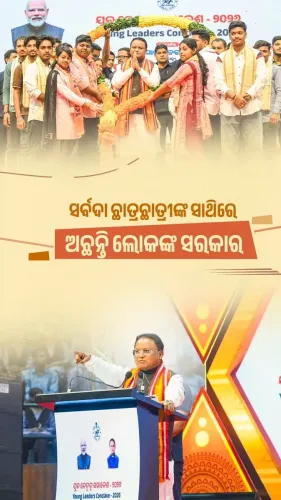
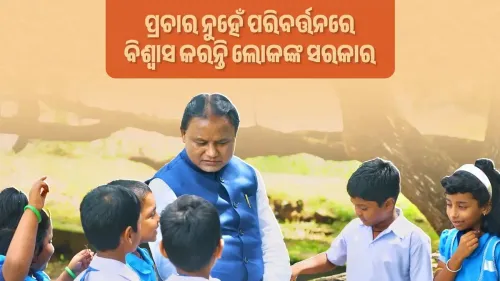
Odisha Chief Minister Mohan Charan Majhi on Monday, 20 July 2026, announced the Gyanodaya – Shiksharu Samruddhi scheme, pledging free education from kindergarten to post-graduation across all government and government-aided institutions in the state, positioning the initiative as a cornerstone of his administration's vision for a prosperous Odisha.
Context
Posting on X, Chief Minister Majhi declared: 'Every child deserves the freedom to dream without the burden of financial constraints.' The scheme's name — Gyanodaya – Shiksharu Samruddhi (roughly, 'the rise of knowledge — prosperity through education') — signals an intent to eliminate affordability as a barrier at every stage of formal learning, from early childhood through higher education.
The announcement is pinned to the top of CM Majhi's official X profile, underscoring the government's intent to make it a flagship commitment rather than a routine policy update. The hashtags #Gyanodaya, #ShiksharuSamruddhi, #SamruddhaOdisha, and #ViksitBharat tie the scheme explicitly to both the state's development agenda and the central government's Viksit Bharat framework.
Policy Backdrop
India's foundational commitment to free schooling dates to the Right of Children to Free and Compulsory Education Act, 2009, which mandated free elementary education for children aged 6 to 14. The National Education Policy 2020 extended national ambitions toward universal access from pre-school through higher education, setting the template that states are now translating into ground-level programmes.
Odisha has been governed by the BJP since the 2024 assembly elections, when Mohan Charan Majhi became the state's first BJP Chief Minister. Post-2024, several BJP-governed states have introduced fee-waiver or scholarship expansions to align with the Viksit Bharat vision, and Gyanodaya – Shiksharu Samruddhi follows that broader pattern of state-level action on human capital development.
Stakeholders and Impact
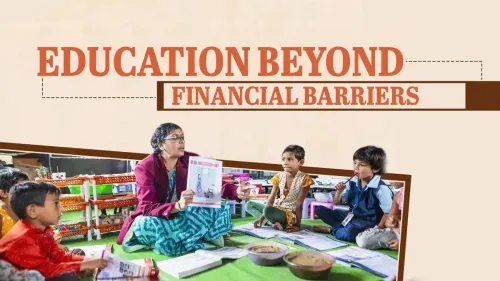
The primary beneficiaries are students from low-income families across Odisha, who have historically faced financial barriers at the transition points between schooling levels — particularly at the entry to higher secondary and college education. By covering the full KG-to-PG continuum in government and government-aided institutions, the scheme aims to reduce dropout rates driven by cost.
Educators and institution administrators in the state's public university and college network will be key implementation partners, as the scheme's reach depends on the infrastructure and faculty capacity already in place. The emphasis on 'talent guided by aspiration, not affordability' reflects the government's framing that merit, not means, should determine educational outcomes.
What's Next
The immediate focus will be on the 2026-27 state budget allocations and the release of formal implementation guidelines — including eligibility criteria, institutional coverage lists, and the fiscal quantum committed to the scheme. Observers will watch whether the rollout is accompanied by a dedicated budgetary line or draws from existing education department funds.
If fully operationalised, Gyanodaya – Shiksharu Samruddhi could position Odisha as a reference model for KG-to-PG public education access in eastern India, with implications for how other states calibrate their own education welfare programmes under the Viksit Bharat umbrella.
Point of View
Not affordability' — allows the BJP in Odisha to occupy ideological ground traditionally held by welfare-oriented parties in the state. The explicit #ViksitBharat hashtag is a deliberate alignment move, tethering a state scheme to the Centre's development brand and reinforcing the BJP's integrated governance narrative. The real test will come with the budget details: whether Gyanodaya is backed by a substantial new fiscal commitment or largely consolidates existing subsidies will determine its policy weight.
NationPress
20 Oct 2026
Frequently Asked Questions
What is the Gyanodaya – Shiksharu Samruddhi scheme in Odisha?
Gyanodaya – Shiksharu Samruddhi is an Odisha government scheme announced by Chief Minister Mohan Charan Majhi that promises free education from kindergarten to post-graduation in all government and government-aided institutions in the state, aiming to remove financial barriers for students.
Who announced the Gyanodaya scheme and when?
Odisha Chief Minister Mohan Charan Majhi announced the scheme on 20 July 2026 via a post on X, which he also pinned to the top of his official profile.
Who benefits from the Gyanodaya – Shiksharu Samruddhi scheme?
Students enrolled in government and government-aided institutions across Odisha are the intended beneficiaries, with a particular focus on children from low-income families who face affordability barriers at various stages of education.
Is KG-to-PG free education already available elsewhere in India?
Several BJP-governed states have introduced fee-waiver or scholarship programmes since 2024 in alignment with the Viksit Bharat framework, though the specific scope and coverage vary by state. India's Right to Education Act 2009 already mandates free schooling for ages 6-14 nationally.
What is the connection between Gyanodaya and Viksit Bharat?
Chief Minister Majhi's announcement explicitly uses the hashtag #ViksitBharat, linking the state scheme to the central government's overarching national development vision, positioning Odisha's education push as part of a broader BJP governance agenda.