CM Majhi, Shivraj Distribute PMAY-G Homes in Balangir
Synopsis
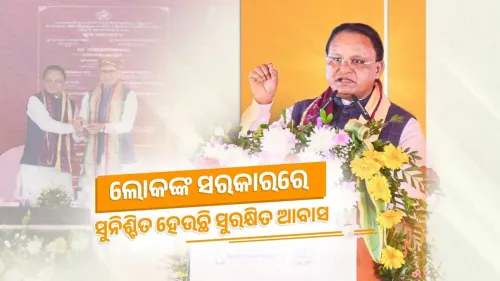
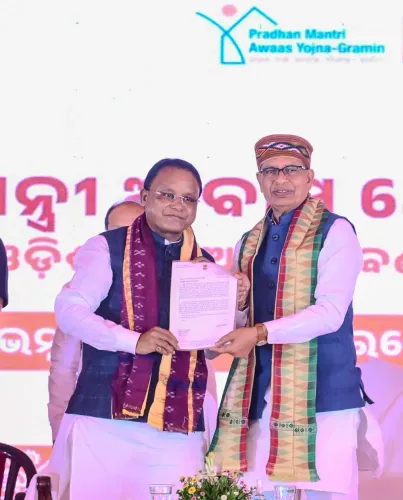
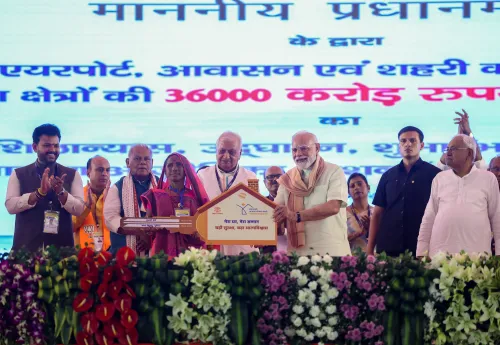
Chief Minister Mohan Charan Majhi and Union Rural Development Minister Shivraj Singh Chouhan jointly distributed homes to eligible rural beneficiaries under Pradhan Mantri Awas Yojana (Gramin) at Balangir, Odisha, in a high-profile event spotlighting the BJP's cooperative federalism push in the state's first saffron government.
Key Takeaways
CM Mohan Charan Majhi and Union Minister Shivraj Singh Chouhan co-hosted a PMAY-G house distribution event in Balangir, Odisha on 14 November 2026 .
Pradhan Mantri Awas Yojana (Gramin) was launched in 2016 to provide permanent housing to eligible rural households across India, succeeding the Indira Awas Yojana.
Balangir is a western Odisha district historically associated with agrarian distress and seasonal labour migration — a key target geography for the scheme.
The event is a visible expression of the 'double-engine government' model, with the BJP governing both Odisha (since June 2024) and the Centre simultaneously.
PMAY-G benefits are designed to converge with toilet, electricity, and road connectivity programmes to deliver holistic living conditions.
Thousands of rural families in Odisha moved a step closer to owning a permanent roof over their heads on Saturday, 14 November 2026, as the Chief Minister's Office of Odisha announced a major housing distribution event in Balangir under the Pradhan Mantri Awas Yojana (Gramin) — the Centre's flagship rural housing scheme.
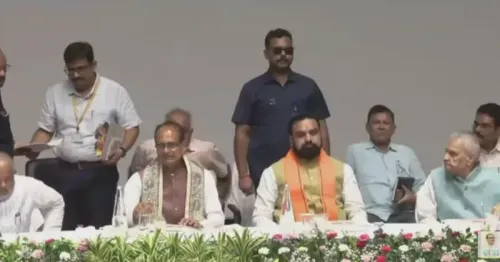
Chief Minister Mohan Charan Majhi and Union Minister of Rural Development Shivraj Singh Chouhan jointly presided over the distribution drive, signalling a high-profile push to saturate housing targets in one of Odisha's western districts. The event marks one of the most visible cooperative federalism moments since the BJP formed Odisha's first-ever saffron government in June 2024.
What PMAY-G promises — and what Balangir represents
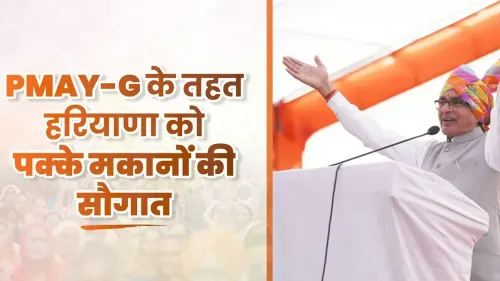
Pradhan Mantri Awas Yojana (Gramin) was launched nationally in 2016, succeeding the older Indira Awas Yojana, with an ambitious mandate: a pucca (permanent, all-weather) house for every eligible rural household in India. The scheme pools central and state funds, with beneficiaries selected through a socio-economic census. Balangir, a district in western Odisha historically marked by agrarian distress and migration, is precisely the kind of geography the scheme was designed to reach.
Having the Union Rural Development Minister physically present at a district-level distribution is unusual — and deliberate. It signals that the Centre views Odisha's PMAY-G rollout as a political and administrative priority, not merely a line item in a welfare ledger.
BJP's 'double-engine' playbook in Odisha
When the same party governs both the state and the Centre, the political science term is 'cooperative federalism'; the political shorthand is the 'double-engine government.' CM Majhi, Odisha's first BJP Chief Minister, has leaned into this framing since taking office, positioning accelerated delivery of central schemes as proof that the alignment pays dividends for ordinary voters.
Shivraj Singh Chouhan, who spent nearly two decades as Chief Minister of Madhya Pradesh before moving to the Union Cabinet, brings both administrative credibility and political symbolism to such events. His presence in Balangir is a reminder that rural housing — unglamorous but deeply consequential — remains a vote-shaping issue in states where homeownership is still aspirational for large sections of the population.
What eligible families actually receive
Under PMAY-G, each beneficiary household receives financial assistance — disbursed in tranches — to construct a minimum-area pucca house with basic amenities. The scheme is converged with other programmes such as Swachh Bharat Mission for toilets and Saubhagya for electricity connections, meaning a PMAY-G house is meant to arrive as a bundle of dignified living conditions, not just four walls.
For Odisha's rural poor, particularly in districts like Balangir where seasonal migration has long been a survival strategy, a permanent home changes the calculus of whether a family can stay rooted in its village.
With district-level events like this now rolling out across the state, the pressure on Odisha's administrative machinery to meet — and publicly demonstrate — housing targets will only intensify heading into the next budget cycle.
Point of View
Converting a welfare milestone into a cooperative federalism showcase. For CM Majhi, accelerating saturation of centrally-funded schemes is the fastest route to building a governance record in a state where the BJP is still a relatively new administrative force. The real test will be whether the pace of delivery on the ground matches the optics of the podium.
NationPress
14 Nov 2026
Frequently Asked Questions
What is Pradhan Mantri Awas Yojana Gramin?
Pradhan Mantri Awas Yojana (Gramin), or PMAY-G, is a central government scheme launched in 2016 to provide permanent, all-weather housing to eligible rural households in India, replacing the older Indira Awas Yojana. Beneficiaries receive financial assistance in instalments to build a minimum-standard home, often bundled with toilet and electricity connections.
Who attended the PMAY-G event in Balangir, Odisha?
Odisha Chief Minister Mohan Charan Majhi and Union Minister of Rural Development Shivraj Singh Chouhan jointly presided over the house distribution event held in Balangir on 14 November 2026.
Why is Balangir significant for rural housing schemes?
Balangir is a district in western Odisha historically affected by agrarian distress and high rates of seasonal labour migration, making it one of the priority areas for housing and rural development interventions under schemes like PMAY-G.
When did the BJP first come to power in Odisha?
The BJP formed its first-ever government in Odisha in June 2024, with Mohan Charan Majhi becoming the state's first BJP Chief Minister after the party's victory in the 2024 assembly elections.
How does PMAY-G work for beneficiaries?
Eligible rural households identified through a socio-economic census receive direct financial assistance under PMAY-G, disbursed in tranches, to construct a pucca house. The scheme is converged with other government programmes to also provide toilets, electricity connections, and clean cooking fuel.