CM Majhi signals Mahanadi dispute nearing resolution
Synopsis
Odisha CM Mohan Charan Majhi returned from New Delhi signalling a breakthrough on the long-running Mahanadi water dispute. Talks chaired by Union Jal Shakti Minister C.R. Patil and Chhattisgarh CM Vishnu Deo Sai produced a three-month technical committee deadline, with Majhi expressing hope for a resolution by Diwali.
Key Takeaways
CM Mohan Charan Majhi addressed media on 1 August 2026 after returning from New Delhi , calling signals on the Mahanadi dispute 'very positive'.
Talks were chaired by Union Jal Shakti Minister C.R.
Patil and included Chhattisgarh CM Vishnu Deo Sai , described as cordial and amicable.
A technical committee under the Central Water Commission Chairman will submit a report to the Mahanadi Water Disputes Tribunal within three months .
Odisha's state rights, farmer welfare, and environmental protection were placed at the 'highest priority' in the negotiations.
CM Majhi indicated 'auspicious signals' that the dispute could be resolved by Diwali .
The Mahanadi Water Disputes Tribunal was constituted in 2018 following Odisha's concerns over upstream constructions in Chhattisgarh raised in 2016-17 .
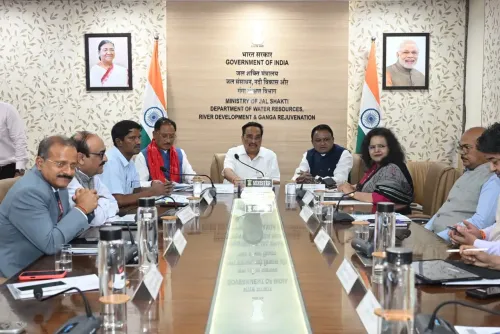
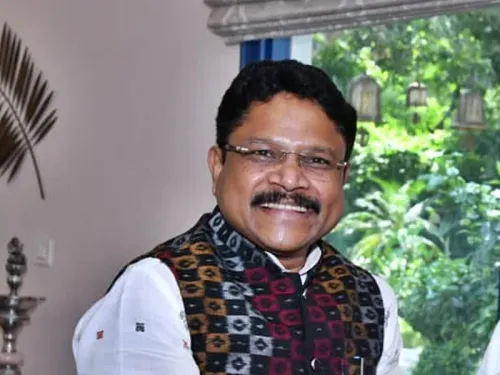
After years of courtroom standoffs and stalled negotiations, the Mahanadi water dispute between Odisha and Chhattisgarh may finally be moving toward a settlement. Chief Minister Mohan Charan Majhi returned from New Delhi on Saturday, 1 August 2026, and addressed the media with what he called 'very positive signals' on a permanent resolution to one of eastern India's most consequential interstate river conflicts.
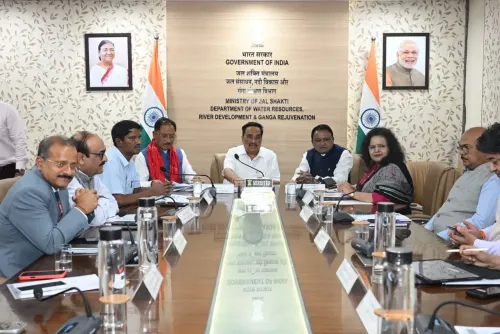
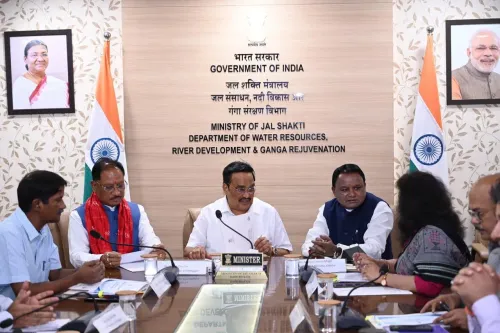
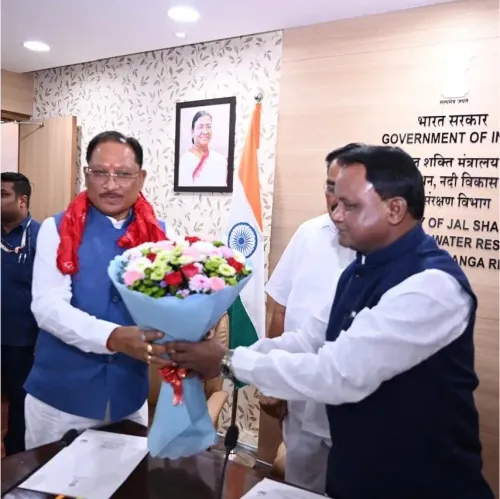
Speaking after high-level discussions in the capital, CM Majhi confirmed that talks chaired by Union Jal Shakti Minister C.R. Patil — and held in the presence of Chhattisgarh Chief Minister Vishnu Deo Sai — were conducted in a 'cordial and amicable' atmosphere. The state's rights, the interests of farmers, and environmental protection were placed at the top of the agenda, Majhi told reporters.
A technical committee and a three-month clock
The most concrete outcome from the New Delhi meetings: a technical committee constituted under the Central Water Commission Chairman will submit its report to the Mahanadi Water Disputes Tribunal within three months. That committee is now the critical moving part — its findings will feed directly into the tribunal's adjudication process and potentially accelerate a negotiated political settlement alongside it.
The Mahanadi Water Disputes Tribunal was constituted in 2018 under the Inter-State River Water Disputes Act, after Odisha raised alarms in 2016-17 over upstream dams and barrages being constructed in Chhattisgarh. The concern was stark: that reduced downstream flow would devastate Odisha's vast agricultural belt, which depends on the Mahanadi — a river that rises in Chhattisgarh and flows more than 900 kilometres before emptying into the Bay of Bengal.
Why Diwali matters as a political horizon
CM Majhi indicated that there are 'auspicious signals' (ଶୁଭ ସଙ୍କେତ) that the water dispute could see a resolution by Diwali. That is a politically significant deadline — not just symbolically, but practically. Diwali falls in October, which would place any agreement well before the next major agricultural sowing cycle, giving Odisha's farming communities clarity on water availability ahead of the season.
The broader context makes this moment worth watching closely. When both states share ruling-party alignment with the central government — as is the case with BJP governments in Odisha, Chhattisgarh, and at the Centre — central facilitation historically gains momentum toward negotiated settlements rather than prolonged tribunal adjudication. C.R. Patil's active chairmanship of these talks signals that the Union government is not merely a passive convener but an invested party in reaching closure.
Odisha farmers at the centre of the stakes
For Odisha's farmers — particularly those in the Mahanadi delta districts of Cuttack, Puri, and Kendrapara — this dispute has never been abstract. Reduced upstream flow translates directly into parched fields, failed crops, and depleted irrigation canals. The explicit commitment to place farmer welfare and public interest at the 'highest priority' in these negotiations is a direct acknowledgment of the human stakes beneath the legal and hydrological arguments.
The three-month technical report deadline and the Diwali political horizon now set the rhythm for what comes next. Whether the committee's data aligns with Odisha's claims — and whether political will holds through that window — will determine if this long dispute finally finds its answer.
Point of View
Backed by a concrete three-month technical deadline, is a calibrated signal to Odisha's farming constituency that the BJP government is delivering on a decade-old grievance. The Diwali horizon is as much a political commitment as it is a timeline: missing it would hand the opposition a ready-made narrative ahead of the next electoral cycle. Whether the Central Water Commission's data validates Odisha's upstream-flow claims will be the real test of whether this momentum holds.
NationPress
1 Aug 2026
Frequently Asked Questions
What is the Mahanadi water dispute between Odisha and Chhattisgarh?
The Mahanadi water dispute centres on Odisha's concerns that upstream dams and barrages constructed by Chhattisgarh are reducing the river's downstream flow, harming Odisha's agriculture and water supply. Odisha raised formal concerns in 2016-17, leading to the constitution of the Mahanadi Water Disputes Tribunal in 2018 under the Inter-State River Water Disputes Act.
What happened at the New Delhi talks on the Mahanadi dispute in August 2026?
Odisha CM Mohan Charan Majhi held discussions in New Delhi chaired by Union Jal Shakti Minister C.R. Patil, with Chhattisgarh CM Vishnu Deo Sai also present. The talks were described as cordial, and a key outcome was the formation of a technical committee under the Central Water Commission Chairman to submit a report to the tribunal within three months.
When is the Mahanadi dispute expected to be resolved?
CM Majhi expressed hope that the dispute could be resolved by Diwali, describing the current situation as showing 'auspicious signals.' However, the specific timeline is tied to the technical committee's three-month report and subsequent political or tribunal-level decisions.
What is the role of the Central Water Commission in the Mahanadi dispute?
The Central Water Commission, the technical apex body under the Ministry of Jal Shakti, has been tasked with forming a committee under its Chairman. This committee will prepare a technical report and submit it to the Mahanadi Water Disputes Tribunal within three months to support the adjudication or negotiated resolution process.
How does the Mahanadi dispute affect Odisha farmers?
Odisha farmers, particularly in delta districts that depend on the Mahanadi for irrigation, face reduced water availability if upstream constructions in Chhattisgarh limit downstream flow. The New Delhi talks explicitly placed farmer welfare at the highest priority in the negotiations.