CM Majhi Stresses MLA Duties and Assembly Dignity in Odisha
Synopsis
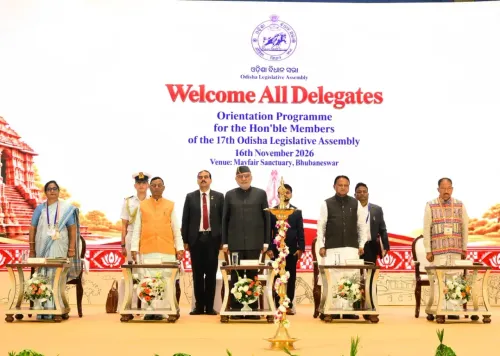
Odisha Chief Minister Mohan Charan Majhi on 16 November 2026 called on legislators to uphold the dignity of the assembly, actively resolve public issues, and frame laws that strengthen democracy and public accountability.
Key Takeaways
CM Mohan Charan Majhi posted on 16 November 2026 stressing MLA duties and legislative dignity.
He called for active legislator participation in resolving public issues and debating matters of public interest.
Majhi linked meaningful lawmaking directly to strengthening 'democracy, public trust and accountability.' The BJP-led Odisha government has been in office since June 2024 after winning state assembly elections.
The appeal to assembly dignity reflects a broader pattern of chief ministers reinforcing legislative conduct norms ahead of sessions.
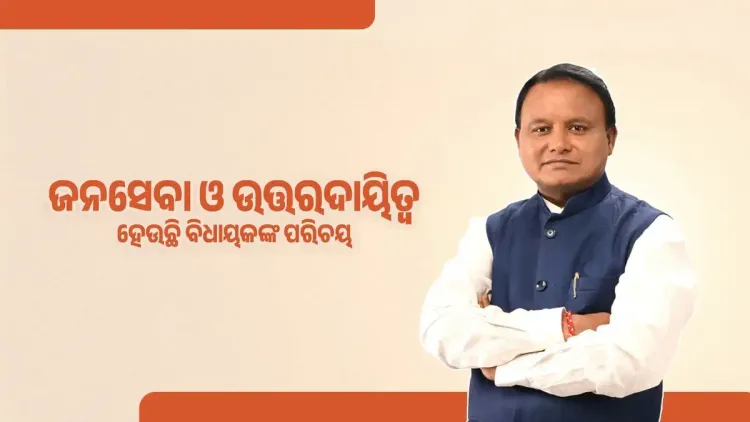
Accountability, public trust, and the dignity of the legislature — Odisha Chief Minister Mohan Charan Majhi has placed these at the centre of his governance message, calling on the state's legislators to treat active participation in the Odisha Legislative Assembly as both a constitutional duty and a democratic imperative.
Posting on Monday, 16 November 2026, Majhi wrote in both Odia and English: 'Emphasis is being laid on legislators' duties, responsibilities and upholding the dignity of the Legislative Assembly. Their active participation in resolving public issues, engaging in discussions on matters of public interest and framing important laws will further strengthen democracy, public trust and accountability.'
What Majhi Is Asking of Odisha's Legislators
The Chief Minister's message is threefold. First, legislators must actively resolve the problems constituents bring to them. Second, they must engage meaningfully in debates on public-interest matters — not merely be present on the floor. Third, their role in shaping laws must be substantive, not ceremonial. Together, he argues, these practices fortify democracy from the ground up.
The post arrives as the BJP-led Odisha government — in office since June 2024 following a decisive state assembly election victory — continues to consolidate its legislative agenda. Chief ministers across India periodically issue such reminders ahead of or during assembly sessions, signalling expectations of conduct and productivity from their caucus.
Why Assembly Dignity Keeps Coming Up in Indian State Politics
The appeal to 'dignity of the House' is not rhetorical decoration — it carries weight in a system where disruptions, walkouts, and absenteeism have repeatedly drawn public criticism. For the ruling BJP in Odisha, projecting an image of a disciplined, responsive legislature is a governance signal to voters who handed the party a fresh mandate just two years ago.
Majhi's framing places the burden squarely on individual lawmakers: public trust, he implies, is not built by the government alone — it is earned, session by session, by legislators willing to show up, speak up, and legislate with purpose. That is a message aimed as much at the gallery as at the assembly chamber itself.
Point of View
Reinforcing legislative accountability publicly serves a dual purpose: it reassures voters that the mandate is being taken seriously, and it sets a conduct benchmark for MLAs ahead of upcoming assembly sessions. The emphasis on 'public trust' also suggests the BJP is conscious of governing a state where the Congress-era Biju Janata Dal held sway for 24 years — credibility must be demonstrated, not assumed.
NationPress
16 Nov 2026
Frequently Asked Questions
What did Odisha CM Mohan Majhi say about MLAs in November 2026?
CM Majhi called on Odisha's legislators to actively resolve public issues, participate in debates on matters of public interest, and frame important laws — all in the interest of strengthening democracy and public accountability.
Why is the dignity of the Odisha Legislative Assembly being emphasised?
Majhi stressed assembly dignity to reinforce that legislators have a constitutional responsibility to conduct themselves constructively, as disruptions and poor participation undermine public trust in elected institutions.
When did Mohan Charan Majhi become Odisha Chief Minister?
Mohan Charan Majhi became Odisha Chief Minister in June 2024 after the BJP won the state assembly elections, ending 24 years of Biju Janata Dal rule.
What is the Odisha Legislative Assembly's role?
The Odisha Legislative Assembly is the unicameral state legislature responsible for law-making, budget approval, debates on public policy, and oversight of the state executive.
What does Majhi's message mean for upcoming Odisha assembly sessions?
It signals that the BJP leadership expects MLAs to be actively present, engage substantively in debates, and contribute to legislation — setting a conduct benchmark ahead of forthcoming assembly proceedings.