CM Majhi Targets 9 Lakh MT Shrimp Output to Power Odisha Blue Economy
Synopsis
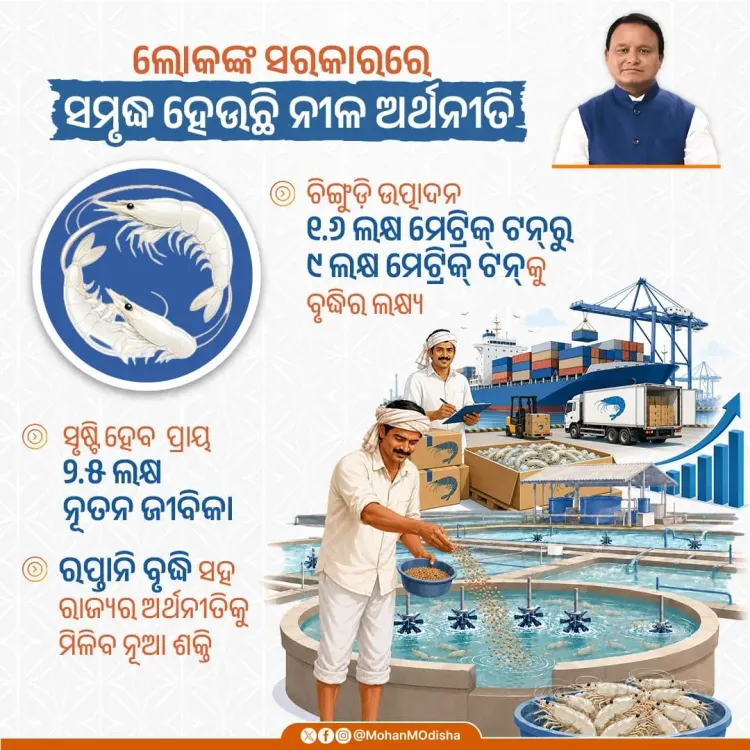
Odisha CM Mohan Charan Majhi has announced plans to scale shrimp production from 1.6 lakh to 9 lakh metric tonnes, create 2.5 lakh new livelihoods, and boost exports to build a self-reliant blue economy along the state's 480-km coastline.
Key Takeaways
CM Majhi announced a target to raise Odisha's shrimp production from 1.6 lakh metric tonnes to 9 lakh metric tonnes .
The plan aims to generate approximately 2.5 lakh new livelihoods for fisherfolk and coastal communities.
The initiative is framed as part of building a 'self-reliant fisheries sector' and a 'prosperous blue economy' for Odisha.
Odisha has a coastline of roughly 480 kilometres , giving it significant potential for marine and brackish-water aquaculture.
The push aligns with the Centre's Pradhan Mantri Matsya Sampada Yojana , which carries a national outlay of Rs 20,050 crore .
Expanded shrimp exports are expected to strengthen Odisha's foreign exchange earnings and support cold-chain and processing industries.
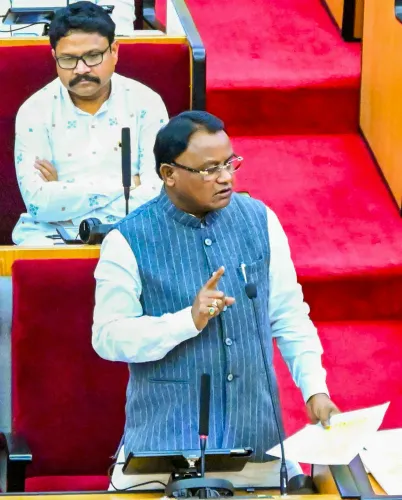
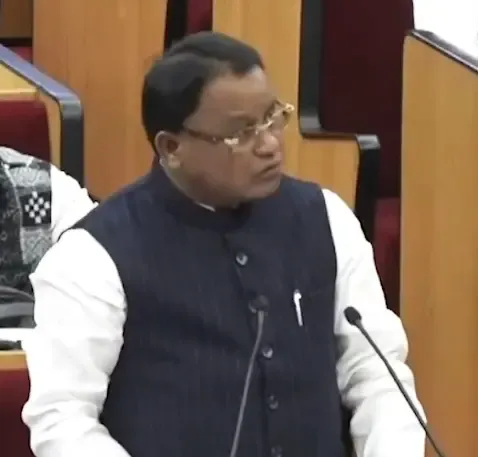
Odisha Chief Minister Mohan Charan Majhi on Tuesday, 7 July 2026, outlined an ambitious fisheries expansion plan for Odisha, announcing targets to scale shrimp production from 1.6 lakh metric tonnes to 9 lakh metric tonnes, generate approximately 2.5 lakh new livelihoods, and strengthen the state's coastal economy through increased exports.
Context
Posting in Odia on X, CM Majhi stated: 'ଆତ୍ମନିର୍ଭର ମତ୍ସ୍ୟ କ୍ଷେତ୍ର, ସଶକ୍ତ ଉପକୂଳ ଅର୍ଥନୀତି' — 'a self-reliant fisheries sector, a strengthened coastal economy' — framing the push as part of building a 'prosperous blue economy' for the state. He added that the initiative would not only raise the income of fisherfolk and coastal residents but also give 'new momentum to exports' and make Odisha's economy 'more empowered.'
The announcement comes as Odisha, with its roughly 480-kilometre coastline, positions itself as a major player in India's national blue economy strategy, which prioritises sustainable use of ocean resources for growth and employment.
Policy Backdrop
The Centre's Pradhan Mantri Matsya Sampada Yojana (PMMSY), launched in 2020 with an outlay of Rs 20,050 crore, provides the primary policy scaffolding for such state-level targets. The scheme aimed to raise national fish production to 22 million tonnes by 2024-25 and double seafood exports, with coastal states expected to anchor that growth through brackish-water aquaculture and shrimp clusters.
Odisha's own fisheries action plans, dating to its 2019-20 state budget, had already emphasised brackish-water aquaculture along the coast. The National Fisheries Policy 2020 further set targets for sustainable marine resource use and integration of coastal states into global export value chains. Infrastructure investments under the Sagarmala programme since 2015 have supported quality certification and cold-chain development critical to export competitiveness.
Stakeholders and Impact
The primary beneficiaries of the plan are Odisha's fishing communities, coastal farmers engaged in shrimp aquaculture, and seafood exporters who depend on consistent, high-volume supply for international contracts. A jump from 1.6 lakh to 9 lakh metric tonnes of shrimp production would represent a more than fivefold increase, placing Odisha alongside Andhra Pradesh and West Bengal as a top-tier shrimp-producing state in India.
The projected creation of 2.5 lakh new livelihoods would directly address employment in coastal districts where fishing remains the primary occupation. Expanded exports would also improve foreign exchange earnings and support downstream processing industries including packaging, cold storage, and logistics.
What's Next
Attention will now turn to the rollout of new shrimp hatcheries and processing units under the state fisheries department's annual plans, as well as the release of updated marine export figures that would establish a measurable baseline against which these targets can be tracked. Odisha's ability to attract private investment into aquaculture infrastructure and secure quality certifications for export markets will be critical to translating these stated goals into verifiable outcomes.
If sustained, the blue economy push could redefine Odisha's economic identity — shifting it from a state known primarily for mining and heavy industry to one where the Bay of Bengal coastline drives a significant share of rural income and export revenue.
Point of View
If backed by hatchery and cold-chain investment, would slot Odisha into the same league as Andhra Pradesh, which has dominated India's shrimp export story for over a decade. The alignment with PMMSY also signals that the BJP-led state government is actively leveraging central scheme funding to build a visible development record ahead of future electoral cycles. Whether the ambition translates into verifiable output will depend on the pace of private investment, quality certification, and the state fisheries department's execution capacity.
NationPress
7 Jul 2026
Frequently Asked Questions
What is Odisha CM Majhi's shrimp production target?
CM Mohan Charan Majhi has announced a target to increase Odisha's shrimp production from 1.6 lakh metric tonnes to 9 lakh metric tonnes , representing a more than fivefold increase aimed at boosting exports and coastal incomes.
How many jobs will Odisha's blue economy plan create?
The plan is projected to generate approximately 2.5 lakh new livelihoods for fisherfolk, coastal farmers, and workers in seafood processing and logistics.
What is the blue economy and why does it matter for Odisha?
The blue economy refers to the sustainable use of ocean resources for economic growth and employment. Odisha, with a roughly 480-kilometre coastline , has significant potential in marine fisheries, aquaculture, and seafood exports.
What is Pradhan Mantri Matsya Sampada Yojana?
Pradhan Mantri Matsya Sampada Yojana (PMMSY) is a central government scheme launched in 2020 with an outlay of Rs 20,050 crore to modernise fisheries, increase production to 22 million tonnes nationally by 2024-25, and double seafood exports.
How does Odisha compare to other states in shrimp production?
Odisha currently lags behind Andhra Pradesh and West Bengal in shrimp output, but CM Majhi's target of 9 lakh metric tonnes would place the state among India's leading shrimp-producing states if achieved.