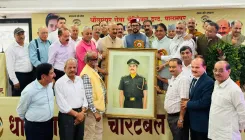
CM Majhi Tours Flood-Hit Koraput, Orders Faster Relief
Synopsis
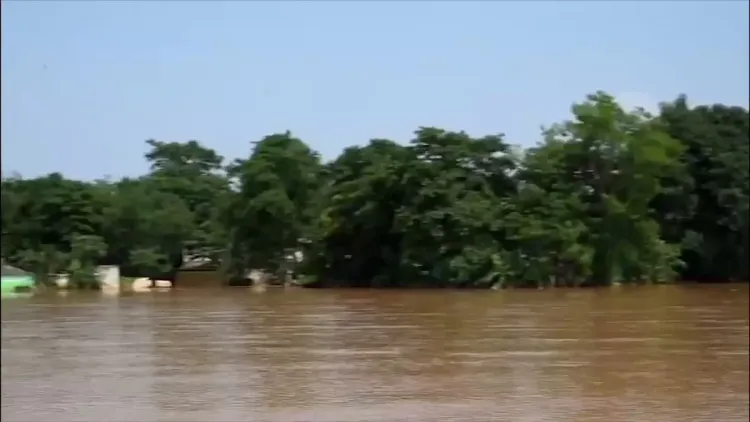
Odisha Chief Minister Mohan Charan Majhi visited flood-hit Koraput district on September 27, personally assessed damage from low-pressure rainfall, spoke with affected residents, and ordered the administration to immediately accelerate food, water, and medical relief distribution.
Key Takeaways
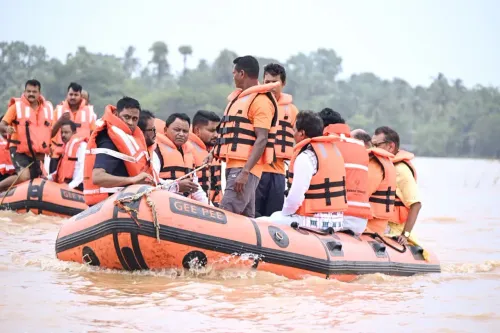
CM Mohan Charan Majhi conducted a personal field visit to flood-affected areas of Koraput district on September 27, 2026 .
The flooding was caused by heavy rainfall triggered by a low-pressure system from the Bay of Bengal during the southwest monsoon.
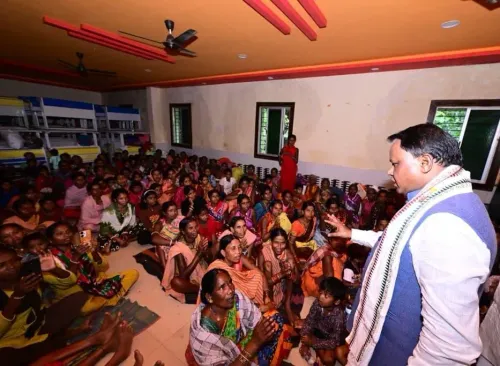
Majhi met and spoke directly with local residents to hear their difficulties firsthand.
He directed the district administration to expedite delivery of food, clean drinking water, and emergency medical services without delay.
Relief distribution was already ongoing in affected areas at the time of the visit.
Koraput has a significant tribal population and is historically vulnerable to monsoon flooding and isolation.
On the ground and in the rain — Odisha Chief Minister Mohan Charan Majhi made a direct field visit to flood-affected areas of Koraput district on Sunday, September 27, meeting residents face-to-face to assess the damage wrought by low-pressure-induced heavy rainfall and directing the administration to accelerate relief operations without delay.
Posting from the field in Odia, the Chief Minister wrote: 'Abapātajanita lagāṇa barṣāre prabhābita Korāpuṭa jiḷḷāra bibhinna añchalaku pratyakṣa paridaŗśana kari...' — 'I personally visited various areas of Koraput district affected by the heavy rainfall from the low-pressure system, held discussions with local residents, and listened to their problems and needs. Relief and assistance distribution is ongoing in the affected areas. I have directed the administration to further expedite relief work so that food, clean drinking water, emergency medical services and other essential support reach those affected without delay.'
Koraput in the Storm's Path
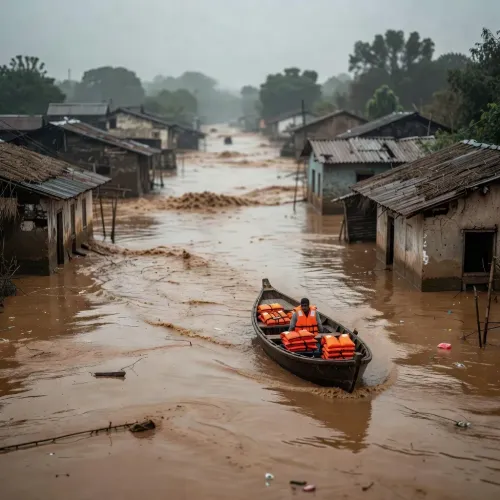
Koraput, a southern Odisha district with a significant tribal population, sits squarely in the path of Bay of Bengal low-pressure systems that funnel inland during the southwest monsoon season every year. The terrain — hilly, forested, and laced with rivers — amplifies waterlogging and isolates settlements fast, making timely ground-level response a logistical challenge that the state has grappled with for decades.
The stakes in Koraput are particularly high because vulnerable tribal communities in remote hamlets are often the last to receive relief and the first to suffer crop and livelihood loss. The Chief Minister's decision to visit personally rather than monitor from Bhubaneswar sends a deliberate signal of administrative urgency to the district machinery.
Odisha's Long Playbook on Disaster Response
Odisha rewrote India's disaster management rulebook after the devastating 1999 super cyclone killed more than 10,000 people. What emerged over the following two decades was a systematic protocol — pre-positioned supplies, trained rapid-response teams, and a culture of senior political visibility during crises. Successive state governments, regardless of party, have maintained and built on that architecture.
The BJP administration under Majhi, which came to power in June 2024 after the party's first-ever victory in Odisha assembly elections, has continued this pattern of direct on-ground oversight. Saturday's field visit to Koraput fits squarely within that institutional tradition — while also carrying the political weight of a relatively new government demonstrating operational competence in a welfare-sensitive state.
What the Administration Has Been Told to Deliver
Majhi's directives to district officials were specific: food, clean drinking water, and emergency medical services must reach affected residents without delay. Relief distribution, he confirmed, is already underway — but the instruction to 'further expedite' suggests the Chief Minister found gaps or gaps in reach during the visit itself. That kind of on-ground correction, prompted by direct conversation with residents rather than administrative reports, is precisely the point of such field tours.
Assessments of crop and infrastructure damage — which could trigger additional state or central government support packages — are expected to follow once floodwaters recede and ground surveys become possible.
Koraput's residents spoke to their Chief Minister in the rain; now every relief truck that rolls out will be measured against that conversation.
Point of View
Visible ground-level response in a vulnerable tribal district carries added political significance. The directive to 'further expedite' relief suggests the visit surfaced on-ground gaps that administrative reports had not flagged, underscoring the continued value of unmediated leader-to-citizen contact during crises. How quickly and comprehensively relief reaches Koraput's remote settlements will be the real test of this government's disaster management depth.
NationPress
27 Sept 2026
Frequently Asked Questions
Why did CM Majhi visit Koraput district?
Chief Minister Mohan Charan Majhi visited Koraput on September 27, 2026, to personally assess damage from heavy rainfall caused by a low-pressure system, meet flood-affected residents, and review ongoing relief operations.
What relief has the Odisha government ordered for Koraput flood victims?
CM Majhi directed the district administration to immediately accelerate delivery of food, clean drinking water, emergency medical services, and other essential supplies to flood-affected residents without delay.
Why is Koraput district particularly vulnerable to flooding?
Koraput is a southern Odisha district with hilly terrain, dense forests, and a large tribal population. Its geography makes it highly susceptible to waterlogging and isolation during Bay of Bengal low-pressure rainfall events each monsoon season.
When did Mohan Charan Majhi become Chief Minister of Odisha?
Mohan Charan Majhi became Chief Minister of Odisha in June 2024, after the BJP won the state assembly elections for the first time.
What is Odisha's track record in disaster management?
Odisha built one of India's strongest disaster response systems following the devastating 1999 super cyclone, developing rapid-response protocols for food, water and medical relief that successive state governments have continued to strengthen.