PM Modi's Mann Ki Baat spotlights Pratapgarh SHG's Amla work, women elated
Synopsis
PM Modi's Mann Ki Baat on 27 September gave a national platform to a 11-member women's SHG in a Pratapgarh village that has quietly turned Amla into candy, murabba, and juice since 2020 — and the group's president immediately used the spotlight to demand direct government procurement for SHG products.
Key Takeaways
PM Narendra Modi named the Savitri Phule Self-Help Group of Devgarh Kamasi village, Pratapgarh in his Mann Ki Baat address on 27 September 2026 .
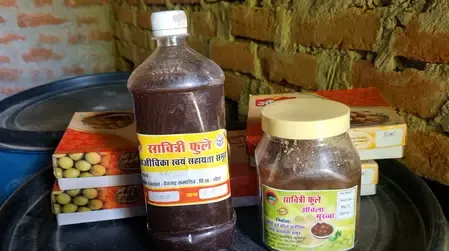
The group was formed in 2020 under government assistance to produce Amla candy, murabba, and juice under the ODOP initiative.
The 11-member group is led by President Kamlesh Kumari and Secretary Sushma Devi ; income is shared equally among members.
Group President Kamlesh Kumari has called on the government to set up a direct procurement system for SHG products to improve market access and incomes.
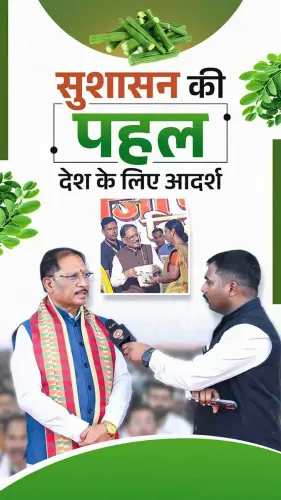
Modi also highlighted the economic and nutritional value of Amla and Moringa , linking traditional produce to new rural livelihoods.
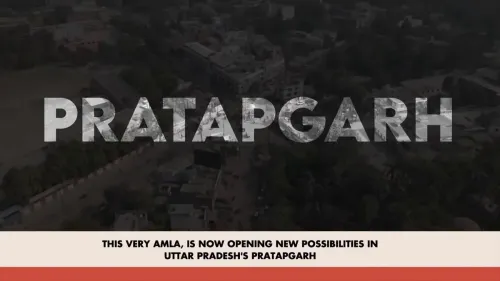
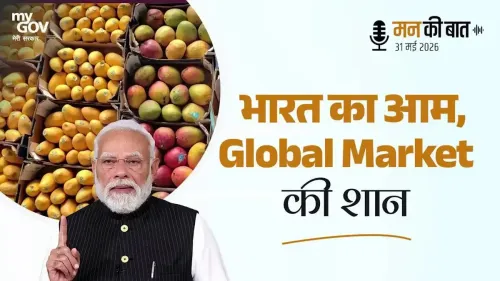
Prime Minister Narendra Modi on Sunday, 27 September 2026, used his monthly radio programme 'Mann Ki Baat' to highlight the growing economic and nutritional value of Amla (Indian gooseberry) and Moringa, drawing attention to how traditional produce is generating new livelihoods for rural women across India. Among the groups he specifically named was the Savitri Phule Self-Help Group of Devgarh Kamasi village in Pratapgarh, Uttar Pradesh, which has been producing Amla candy, murabba, and juice under the Centre's 'One District One Product' (ODOP) initiative.
PM Modi's Praise and What It Means
Modi acknowledged the deep-rooted connection between Pratapgarh district and Amla cultivation, and praised the contribution of women from Self-Help Groups (SHGs) who have converted the region's agricultural identity into a commercial enterprise. For the members of the Savitri Phule SHG, the Prime Minister's on-air mention amounted to what they described as the 'biggest endorsement' of their collective efforts.
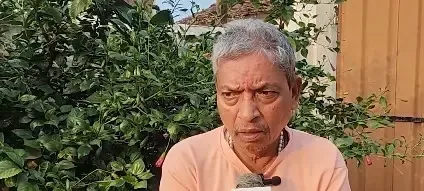
Kamlesh Kumari, President of the Savitri Phule Self-Help Group, was listening to 'Mann Ki Baat' on her mobile phone when the Prime Minister named their group. 'This was a matter of great pride for the entire group because Prime Minister Narendra Modi specifically named our group, praised the women's efforts, and highlighted the products made from Amla,' she said.
How the Group Was Built
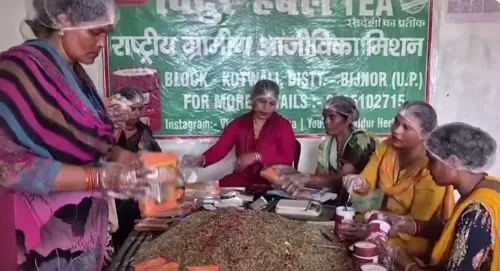
The Savitri Phule Self-Help Group was established in 2020 with government assistance, with the specific aim of producing Amla-based products including murabba, candy, and juice. Kamlesh Kumari was appointed president and Sushma Devi became secretary; together, they subsequently recruited nine other women from the village — Amita, Asha, Meena, Kavita, Jyoti, Malti, Lata, Rekha, and Sumitra.
Kamlesh Kumari has been running the group for the past five years. The group's central objective is to make village women self-reliant by creating local employment opportunities. Members process several quintals of Amla from their homes, package the finished products attractively, and sell them in local markets as well as at stalls during fairs and government events. Income generated is distributed among all members.
The Call for Better Market Access
While the Prime Minister's mention has injected fresh confidence into the group, Kamlesh Kumari used the moment to press for structural support. She urged the government to establish a direct procurement system for SHG-made products at the government level, arguing that such a mechanism would give women better market access and meaningfully increase their incomes.
Secretary Sushma Devi also expressed gratitude beyond the Prime Minister's recognition: 'First, we thank the Prime Minister for mentioning our group's name. We also express our gratitude to the bank for granting us the loan that enabled our work to progress.'
Broader Significance of the ODOP Push
Pratapgarh's association with Amla production is not incidental. The district has long been one of Uttar Pradesh's leading Amla-growing regions, and the ODOP framework — which assigns each district a signature product for promotion and value-addition — has helped formalise that identity. Modi's decision to spotlight this in 'Mann Ki Baat', which reaches tens of millions of listeners each month, is likely to attract fresh interest from buyers and investors in Amla-based processing.
As SHGs across rural India look to scale their operations, the Pratapgarh example underscores both the opportunity and the remaining gap: grassroots production capability exists, but sustained growth depends on direct government procurement and reliable market linkages that many groups still lack.
Point of View
But the story behind the headline reveals a structural gap that applause cannot fix. The Savitri Phule SHG's immediate ask — direct government procurement — points to the missing last mile in India's SHG ecosystem: production capacity exists at scale, but reliable offtake does not. Until ODOP and SHG programmes are backed by binding procurement commitments rather than periodic spotlight moments, the risk is that Mann Ki Baat recognition becomes a ceiling rather than a launchpad for groups like this one.
NationPress
28 Sept 2026
Frequently Asked Questions
Which Self-Help Group was mentioned by PM Modi in Mann Ki Baat?
PM Modi named the Savitri Phule Self-Help Group of Devgarh Kamasi village in Pratapgarh, Uttar Pradesh during his Mann Ki Baat address on 27 September 2026. The group is known for producing Amla candy, murabba, and juice under the ODOP initiative.
What is the 'One District One Product' (ODOP) scheme and how does it relate to Pratapgarh?
ODOP is a government initiative that assigns each district a signature product to promote and add value to. Pratapgarh in Uttar Pradesh is associated with Amla production, and the Savitri Phule SHG has leveraged this framework to build an Amla-processing enterprise.
When was the Savitri Phule Self-Help Group formed and who leads it?
The group was formed in 2020 with government assistance. Kamlesh Kumari serves as its president and Sushma Devi as its secretary; nine other women from the village are also members.
What demand has the group raised following PM Modi's mention?
Group President Kamlesh Kumari has urged the government to establish a direct procurement system for SHG-made products at the government level. She argued this would give women better market access and increase their incomes sustainably.
Why did PM Modi highlight Amla and Moringa in Mann Ki Baat?
Modi used the programme to draw attention to the growing economic and nutritional significance of traditional produce like Amla and Moringa, underscoring how these crops are creating new livelihoods for rural communities, particularly for women in Self-Help Groups.