CM Yogi Hails Modi's Mann Ki Baat Shoutout to Pratapgarh Amla
Synopsis
CM Yogi Adityanath lauded PM Modi for spotlighting Pratapgarh's amla sector and women-led self-help groups in Mann Ki Baat, citing 100 processing units as proof of ODOP's impact on rural livelihoods and women's economic empowerment in UP.
Key Takeaways
PM Narendra Modi mentioned Pratapgarh's amla and women's self-help groups during his Mann Ki Baat address on September 27, 2026 .
CM Yogi Adityanath said the mention brought pride to all of Uttar Pradesh .
Approximately 100 amla processing units are now active in Pratapgarh, linked to the One District One Product (ODOP) scheme launched in 2018 .
The Savitri Phule and Vindhyavasini Self-Help Groups are among the women-led collectives driving amla value-addition and rural income.
CM Yogi framed the initiative as part of the state's journey from Atmanirbhar Uttar Pradesh to Viksit Uttar Pradesh .
Mann Ki Baat , running since October 2014 , has historically been used to amplify grassroots and district-level success stories nationally.
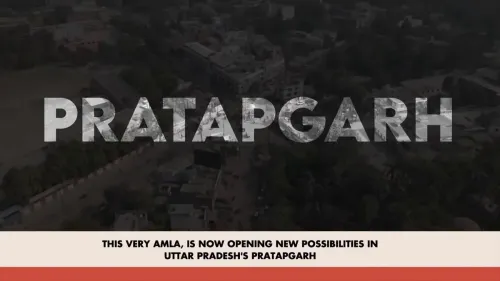
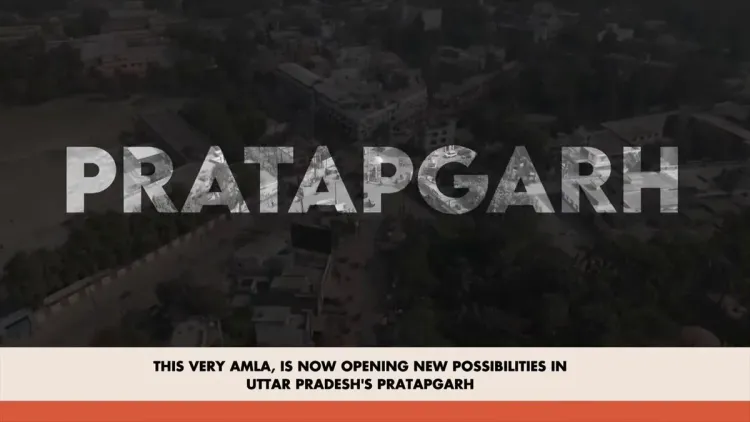
When Prime Minister Narendra Modi turned his monthly Mann Ki Baat radio address toward a small district in eastern Uttar Pradesh, he put a centuries-old berry — and the women quietly building an economy around it — on the national map. Uttar Pradesh Chief Minister Yogi Adityanath responded on Sunday, September 27, 2026, welcoming the Prime Minister's mention of Pratapgarh's amla (Indian gooseberry) and the self-help groups transforming it into rural livelihoods.
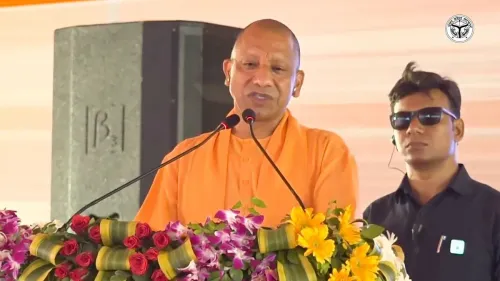
In his post, CM Yogi wrote — 'आदरणीय प्रधानमंत्री जी ने आज मन की बात में प्रतापगढ़ के आंवले और मातृशक्ति का उल्लेख कर समूचे उत्तर प्रदेश को गौरवान्वित किया है' — 'The honourable Prime Minister, by mentioning Pratapgarh's amla and the women's power driving it in Mann Ki Baat today, has made all of Uttar Pradesh proud.'
Pratapgarh's Amla Economy: 100 Units and Counting
The district of Pratapgarh, long recognised as a hub of amla cultivation, now hosts approximately 100 amla processing units — a figure CM Yogi cited as direct evidence of the scheme's momentum. These units convert raw gooseberries into value-added products, extending the supply chain well beyond the farm gate and creating sustained employment in a traditionally agrarian belt.
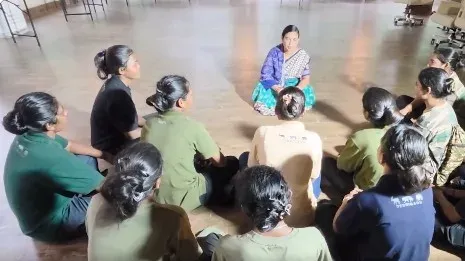
At the heart of this expansion are the Savitri Phule and Vindhyavasini Self-Help Groups — women-led collectives that have plugged into the processing ecosystem, building income and agency simultaneously. The CM framed their work as 'मातृशक्ति के स्वावलंबन का सशक्त आधार' — 'a powerful foundation of women's self-reliance' — connecting individual enterprise to a broader state ambition.
ODOP: The Policy Engine Behind the Push
The structural backbone here is the One District One Product (ODOP) scheme, launched by the Uttar Pradesh government in 2018 to identify and champion each district's most distinctive product. For Pratapgarh, that product is amla — chosen for its deep agricultural roots and its potential for processing-led value addition.
ODOP has since been extended across districts statewide, creating a template that links traditional crafts and crops to formal supply chains, export readiness, and women's self-help group networks. Pratapgarh's trajectory — from legacy crop to organised industry — is among its more visible outcomes.
From 'Atmanirbhar UP' to 'Viksit UP'
CM Yogi explicitly framed the amla story inside a larger developmental arc: the journey from 'Atmanirbhar Uttar Pradesh' (self-reliant UP) to 'Viksit Uttar Pradesh' (developed UP). It is a deliberate linguistic bridge — connecting the national Atmanirbhar Bharat framework championed by Prime Minister Modi with the state's own ambitions for rural industrialisation.
A Mann Ki Baat mention from the Prime Minister carries real amplification weight. The programme, running since October 2014, has consistently been used to spotlight grassroots initiatives, and a feature on Pratapgarh's amla cluster sends a signal to other districts — and investors — about what organised local enterprise can unlock.
Pratapgarh's amla farmers and the women packing gooseberries into India's kitchens did not wait for attention. But now that the Prime Minister has given it, the pressure on the state to match the spotlight with scale is real.
Point of View
It functions as hard currency, directing national attention and potential investment toward a specific district cluster. CM Yogi's swift public response is textbook coordination between the state and Centre, reinforcing that the UP government's economic narrative increasingly runs through district-level product champions rather than top-down mega-projects. The Pratapgarh amla story also advances a politically useful image: women's self-reliance as both economic strategy and electoral messaging ahead of any future UP assembly cycle. Whether the 100-unit figure translates into sustained income growth for farmers and SHG members — not just processing capacity — will be the real test of ODOP's promise.
NationPress
27 Sept 2026
Frequently Asked Questions
What is the One District One Product (ODOP) scheme in Uttar Pradesh?
The One District One Product scheme was launched by the Uttar Pradesh government in 2018 to identify one signature product per district and promote it through dedicated policy support, market linkages, and funding — with Pratapgarh's amla being a prominent example.
Why did PM Modi mention Pratapgarh's amla in Mann Ki Baat?
PM Modi highlighted Pratapgarh's amla industry and the women-led self-help groups powering it during his Mann Ki Baat address on September 27, 2026, as an example of grassroots economic success under the ODOP framework.
What are the Savitri Phule and Vindhyavasini Self-Help Groups?
Savitri Phule and Vindhyavasini are women's self-help groups based in Pratapgarh, Uttar Pradesh, engaged in amla processing and value addition — credited by CM Yogi as central to the district's growing rural economy.
How many amla processing units are there in Pratapgarh?
According to CM Yogi Adityanath's post on September 27, 2026, approximately 100 amla processing units are currently active in Pratapgarh as a result of the ODOP scheme's momentum.
What is Mann Ki Baat and when did it start?
Mann Ki Baat is Prime Minister Narendra Modi's monthly radio programme launched in October 2014, used to discuss governance, citizen initiatives, and grassroots success stories from across India.