PM Modi in Mann Ki Baat: Amla, Moringa fuel rural jobs and nutrition push
Synopsis
In his Mann Ki Baat address on 27 September, Modi turned a spotlight on Amla and Moringa — not just as health foods, but as rural economic engines. With nearly 100 Amla processing units running in Pratapgarh, women's self-help groups scaling up through ODOP, and state nutrition campaigns reaching over two lakh people, the Prime Minister made the case that India's traditional superfoods can double as policy tools.
Key Takeaways
PM Modi highlighted Amla and Moringa as tools for rural empowerment and malnutrition reduction in his Mann Ki Baat address on 27 September .
Nearly 100 local processing units in Pratapgarh, Uttar Pradesh are now engaged in Amla processing under the ODOP initiative, led largely by women's self-help groups.
Gujarat's 'Vangi Spardha' competition on millet-based dishes attracted over two lakh participants , while Chhattisgarh's 'Har Ghar Munga' campaign promotes Moringa in daily diets.
Anganwadi centres now have nearly nine crore beneficiaries registered digitally, strengthening care for children, pregnant women, and lactating mothers.
Modi urged citizens to keep the Vocal for Local spirit alive through the upcoming festive season.
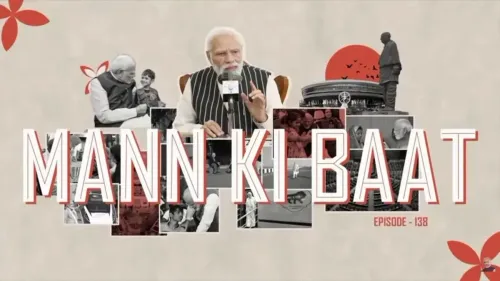
Prime Minister Narendra Modi, in his Mann Ki Baat address on Sunday, 27 September, spotlighted the rising economic and nutritional value of Amla and Moringa, arguing that traditional Indian produce can simultaneously build rural livelihoods and combat the country's persistent malnutrition challenge. The remarks came as part of his monthly outreach programme that reaches millions of listeners across India.
Amla and the ODOP Push in Pratapgarh
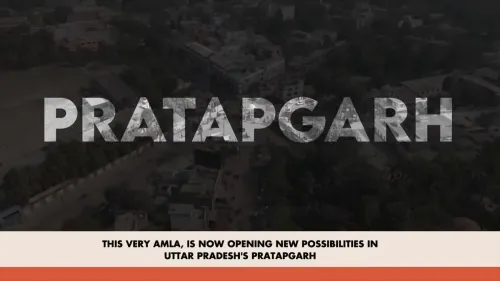
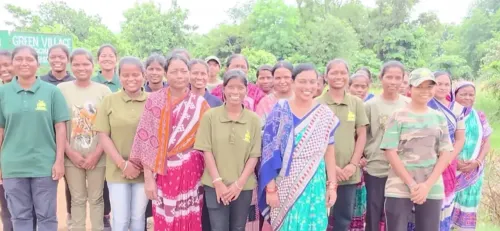
Modi highlighted Pratapgarh in Uttar Pradesh as a model district where the One District One Product (ODOP) initiative has deepened the region's longstanding association with Amla cultivation and processing. Nearly 100 local processing units are now operational in the district, with women's self-help groups anchoring much of the activity.
Among the examples he cited was the Savitri Phule Self Help Group in Devgarh Kamasi village, which produces Amla candy, murabba, and juice. 'Expanded market access has significantly raised the income of its members,' Modi said. He also mentioned the Vindhyavasini Self Help Group, which manufactures Amla pickle and digestive powder. These groups, he noted, received processing machinery, access to loans, and opportunities to participate in local trade fairs — all contributing to a marked rise in earnings.
Modi underscored that the ODOP campaign is designed to carry distinctive regional produce beyond local markets to national and even global buyers, reinforcing what he described as the Vocal for Local movement and the broader goal of a self-reliant India. He urged citizens to sustain that spirit through the upcoming festive season.
States Driving Nutrition Awareness in September
With September being observed as a nutrition-focused month, Modi drew attention to state-level campaigns running in parallel. In Chhattisgarh, the 'Har Ghar Munga' campaign is encouraging families to incorporate Moringa — locally called Munga — into daily meals. In Gujarat, the 'Vangi Spardha' competition, featuring dishes made from millets and other locally grown ingredients, drew participation from over two lakh people.
Maharashtra is seeing growing community involvement in similar nutrition-focused drives, while Mizoram has launched a collective effort for the upkeep of Poshan Vatikas (nutrition gardens). Notably, these ground-level campaigns are running alongside a broader digital strengthening of the Anganwadi network.
Anganwadi Digital Expansion and Scale
Modi pointed out that Anganwadi centres now have nearly nine crore beneficiaries registered on their digital platforms, enabling more targeted care for children, pregnant women, and lactating mothers. The scale of this infrastructure, he suggested, makes community-based superfood promotion particularly potent when linked to existing welfare delivery channels.
Superfoods as a Policy Tool Against Malnutrition
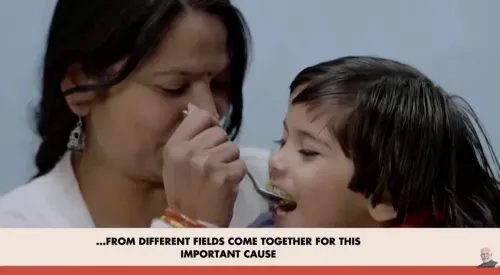
The Prime Minister called for sustained, community-led efforts to make India completely free of malnutrition, with a specific emphasis on promoting affordable, locally grown foods such as Amla and Moringa. This comes amid longstanding concerns over micronutrient deficiency in rural populations, particularly among women and children under five. Amla is widely recognised as one of the richest natural sources of Vitamin C, while Moringa is valued for its iron, calcium, and protein content — making both crops well-suited for low-cost nutritional interventions at scale.
Whether the momentum from state-level campaigns translates into measurable outcomes in National Family Health Survey data will be a key test of this push over the coming years.
Point of View
But its national employment and export numbers remain contested. The more interesting signal here is the convergence of welfare infrastructure — nine crore Anganwadi beneficiaries on a digital platform — with a community superfood push; if that link is operationalised, it could be genuinely transformative. The festive-season Vocal for Local call, however, risks diluting a specific agricultural and health message into a generic consumption nudge.
NationPress
27 Sept 2026
Frequently Asked Questions
What did PM Modi say about Amla in Mann Ki Baat on 27 September?
PM Modi highlighted Amla's growing role in rural livelihoods, particularly in Pratapgarh, Uttar Pradesh, where nearly 100 local processing units operate under the ODOP initiative. He cited women's self-help groups such as the Savitri Phule and Vindhyavasini groups as examples of expanded market access raising member incomes.
What is the 'Har Ghar Munga' campaign mentioned by PM Modi?
'Har Ghar Munga' is a campaign in Chhattisgarh that encourages families to include Moringa — locally called Munga — in their daily diet. It is part of broader state-level efforts to combat malnutrition using affordable, locally grown nutrition sources, which Modi spotlighted in his Mann Ki Baat address.
How many beneficiaries are registered under Anganwadi's digital platform?
Nearly nine crore beneficiaries are currently registered on the digital Anganwadi network, according to PM Modi's Mann Ki Baat address. The platform is designed to improve targeted care for children, pregnant women, and lactating mothers.
What is the ODOP initiative and how does it relate to Amla?
The One District One Product (ODOP) initiative identifies a signature product for each district and builds processing, marketing, and trade infrastructure around it. For Pratapgarh in Uttar Pradesh, Amla is the ODOP focus, with nearly 100 processing units and women-led self-help groups driving production and sales.
Why did PM Modi promote Amla and Moringa as superfoods?
Modi argued that Amla and Moringa are affordable, locally grown foods with high nutritional value — Amla is rich in Vitamin C and Moringa in iron, calcium, and protein — making them practical tools to fight micronutrient deficiency in rural India. He called for sustained community-level efforts to make India free from malnutrition.