PM Modi praises Chhattisgarh's 'Har Ghar Munga' campaign in Mann Ki Baat
Synopsis
PM Modi used his Mann Ki Baat platform on 27 September to single out Chhattisgarh's 'Har Ghar Munga' campaign — turning a state-level drumstick-planting drive into a national nutrition talking point during Poshan Maah, and prompting residents of Dhamtari to celebrate the rare federal recognition of their local heritage plant.
Key Takeaways
PM Narendra Modi praised Chhattisgarh's 'Har Ghar Munga-Ghar Ghar Munga' campaign in his Mann Ki Baat address on 27 September 2026 .
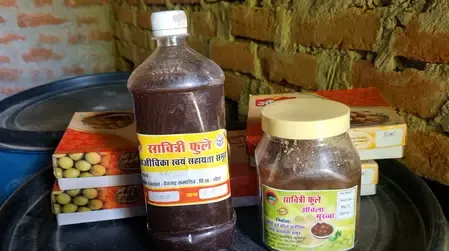
Modi highlighted Moringa (Munga) and Amla as traditional Indian superfoods that help combat malnutrition and boost everyday nutrition.
The Chhattisgarh government had launched the campaign to encourage families to grow and consume drumstick as part of their daily diet.
Moringa leaves contain vitamins, calcium, and essential minerals; its bark and roots also carry recognised medicinal properties.
Residents of Dhamtari welcomed the national acknowledgement, calling for wider adoption of Moringa across India during Poshan Maah (September).
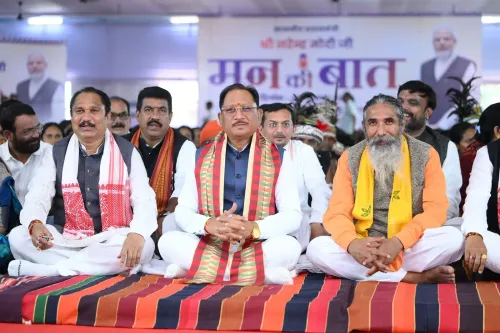
Prime Minister Narendra Modi, in his Mann Ki Baat address on Sunday, 27 September 2026, highlighted Chhattisgarh's 'Har Ghar Munga-Ghar Ghar Munga' campaign as a model initiative in the national fight against malnutrition, drawing an enthusiastic response from residents of Dhamtari and across the state. Modi stressed the nutritional value of traditional Indian produces — including Amla and Moringa (locally known as Munga or drumstick) — and urged citizens to keep the spirit of 'Vocal for Local' alive during the festive season.
What Modi Said in Mann Ki Baat
Speaking during the monthly radio programme, the Prime Minister noted that September is observed as Poshan Maah (Nutrition Month) and underscored the role that locally available plants such as Moringa can play in addressing nutritional deficiencies at the household level. He pointed out that every region of India holds unique fruits, traditional knowledge, and special skills, and called on citizens to champion homegrown produce. His explicit mention of Chhattisgarh's 'Har Ghar Munga' campaign elevated it to national visibility.
About the 'Har Ghar Munga' Campaign
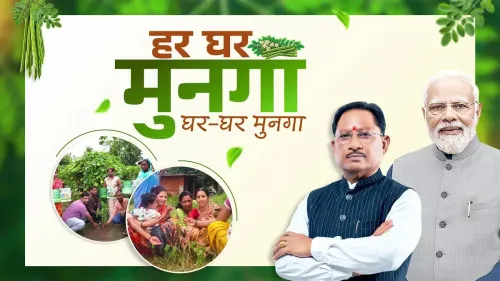
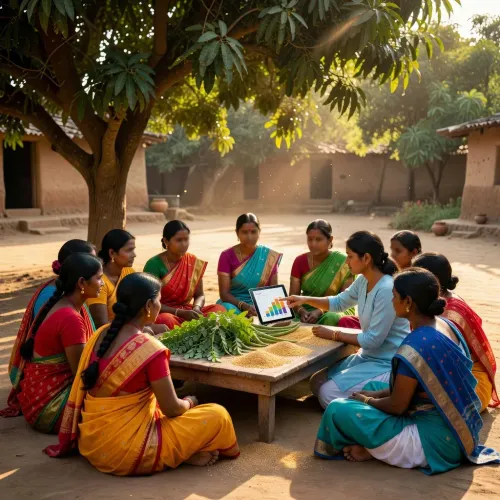
The Chhattisgarh government had launched the 'Har Ghar Munga-Ghar Ghar Munga' (Drumstick in Every Home) campaign to encourage families to incorporate Moringa into their daily diet. The drumstick tree — its leaves, bark, and roots — is widely regarded as a nutritional and medicinal powerhouse. Its leaves are rich in vitamins, calcium, and essential minerals, while various parts of the plant have traditionally been used to treat a range of ailments. Proponents of the campaign note that Moringa is cost-effective, locally available, and requires minimal cultivation effort.
How Locals in Dhamtari Responded
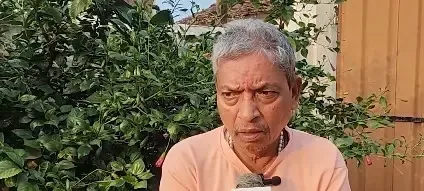
Residents of Dhamtari welcomed the Prime Minister's acknowledgement with pride. One local resident said, 'Munga, or moringa, is a very popular vegetable in Chhattisgarh and has been a traditional part of our culture since ancient times. The practice of using Munga has continued since the time of our grandparents and forefathers, when almost every household used to plant a Munga tree. From a scientific and medicinal perspective, Munga is considered a medicinal plant. Its leaves and fruits contain various vitamins, calcium and other essential minerals.'
The resident added, 'Consuming Munga as a vegetable and using its leaves can provide several important nutrients. Considering these benefits, PM Modi gave this slogan so people can use it as a cost-effective natural remedy to stay healthy and combat illnesses.'
Another local echoed the sentiment: 'It is an extremely useful plant species for life. Even its roots are used as medicine. Our ancestors and elders used it as a natural remedy, and its leaves can also be consumed as leafy greens. The slogan 'Har Ghar Munga, Ghar Ghar Munga' raised by PM Narendra Modi is right, and people should definitely utilise it. This medicinal plant is safe and wholesome for the body.'
Significance During Poshan Maah
Modi's comments arrive at a meaningful moment: September is nationally designated as Poshan Maah, a month-long drive to combat malnutrition, particularly among women and children. The Prime Minister's focus on indigenous, affordable superfoods such as Moringa reflects a broader government thrust to address nutritional gaps through accessible, community-level solutions rather than solely through institutional programmes. Notably, this is not the first time Modi has used Mann Ki Baat to spotlight a state-level health or nutrition initiative — the platform has previously amplified campaigns ranging from water conservation to women's health.
What Comes Next
The national spotlight on Chhattisgarh's campaign is expected to encourage other states to explore similar low-cost, plant-based nutrition drives during and beyond Poshan Maah. Advocates argue that the antibiotic and medicinal properties of Moringa warrant wider adoption across India's diverse agro-climatic zones.
Point of View
But institutional follow-through — supply chains, ASHA worker training, inclusion in mid-day meal schemes — determines outcomes, not slogans. If this remains a Mann Ki Baat moment rather than a scheme with measurable targets, the applause will outlast the impact.
NationPress
28 Sept 2026
Frequently Asked Questions
What is the 'Har Ghar Munga' campaign that PM Modi mentioned?
'Har Ghar Munga-Ghar Ghar Munga' (Drumstick in Every Home) is a campaign launched by the Chhattisgarh government to encourage families to grow and consume Moringa — locally called Munga or drumstick — as part of their daily diet. PM Modi praised the campaign during his Mann Ki Baat address on 27 September 2026 as an example of using traditional produce to fight malnutrition.
Why did PM Modi highlight Moringa in Mann Ki Baat?
Modi used the September Mann Ki Baat to mark Poshan Maah (Nutrition Month), stressing that indigenous plants such as Moringa and Amla offer affordable, accessible nutrition and can help combat malnutrition across Indian households. He also urged citizens to support 'Vocal for Local' produce during the festive season.
What are the health benefits of Moringa (Munga)?
Moringa leaves are rich in vitamins, calcium, and essential minerals. Various parts of the plant — including its bark, roots, and fruits — have traditionally been used as natural remedies for several ailments. It is regarded as a cost-effective nutritional supplement that can be grown at home.
What is Poshan Maah and when is it observed?
Poshan Maah is India's national Nutrition Month, observed every September. It is a government-led drive focused on combating malnutrition — especially among women and children — through awareness campaigns, community events, and promotion of nutritious local foods.
How have Chhattisgarh residents reacted to PM Modi's acknowledgement?
Residents of Dhamtari and other parts of Chhattisgarh have welcomed the mention warmly, describing it as national recognition of their state's cultural heritage and public health initiative. Locals noted that Munga has been a staple of Chhattisgarhi households for generations and called for its antibiotic and medicinal properties to be promoted more widely across India.