CM Sai hails Chhattisgarh's Munga drive after Mann Ki Baat mention
Synopsis
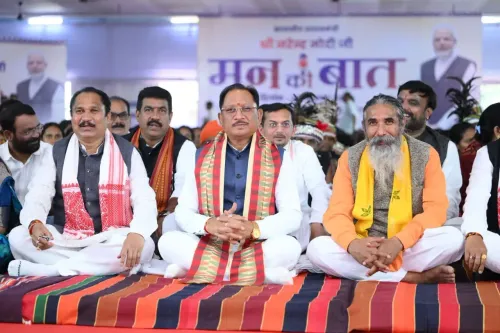
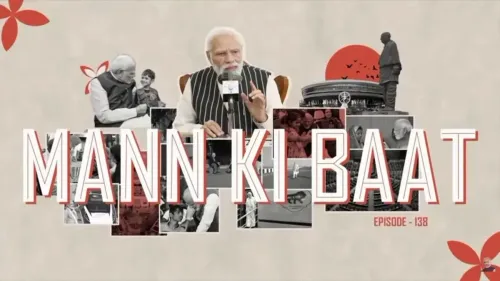
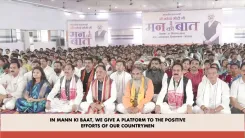
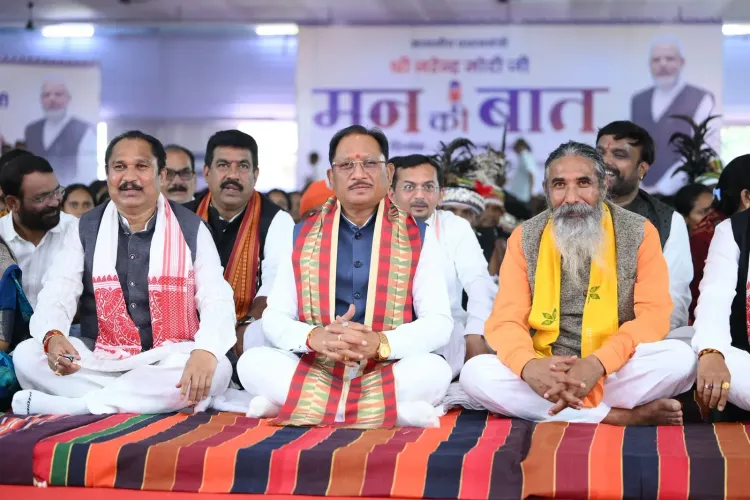
Chhattisgarh CM Vishnu Deo Sai attended Mann Ki Baat Episode 138 at Antagarh in Kanker district on 27 September 2026 and hailed PM Modi's on-air praise of the state's Har Ghar Munga drumstick campaign as a milestone in its fight against malnutrition.
Key Takeaways
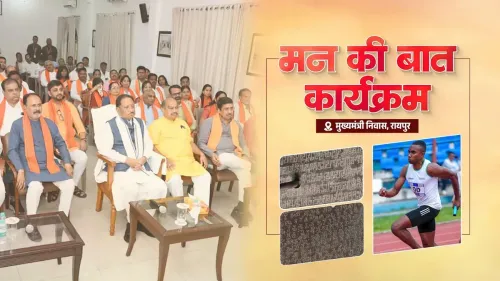
CM Vishnu Deo Sai listened to Mann Ki Baat Episode 138 at Antagarh, Kanker district on 27 September 2026 .
PM Narendra Modi mentioned Chhattisgarh's 'Har Ghar Munga — Ghar Ghar Munga' campaign on the programme, calling it a source of pride for the state.
The episode covered multiple national themes including the 2016 Surgical Strike , the Swachh Bharat Mission , anti-drug efforts, and nutrition security.
The Munga (Moringa) campaign promotes drumstick cultivation as a low-cost, locally available fix for child and maternal undernutrition in tribal areas.
The initiative dovetails with the Centre's POSHAN Abhiyaan (launched 2018 ), which encourages state-level use of indigenous nutrient-dense foods.
CM Sai said the prime ministerial recognition would inspire wider community participation in achieving a 'Kuposhan Mukt Chhattisgarh' (Malnutrition-free Chhattisgarh).
A drumstick tree — humble, drought-hardy, and packed with more iron than spinach — has become Chhattisgarh's quiet weapon against malnutrition, and on Sunday, 27 September 2026, it earned a national spotlight. Chhattisgarh Chief Minister Vishnu Deo Sai attended the live listening of Prime Minister Narendra Modi's Mann Ki Baat Episode 138 at Antagarh in Kanker district, and when PM Modi praised the state's 'Har Ghar Munga — Ghar Ghar Munga' ('Drumstick in every home — every home with drumstick') campaign, Sai called it a moment of special pride for the state.
What PM Modi said — and why Kanker was chosen
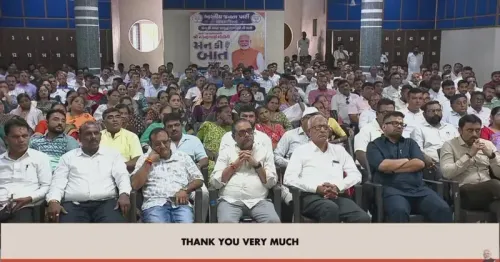
The 138th episode of Mann Ki Baat ranged across several national themes: the valour of soldiers in the 2016 Surgical Strike, the progress of the Swachh Bharat Mission, the fight against drug abuse, and nutrition security. CM Sai, who gathered with residents at Antagarh — a block-headquarters town in one of Chhattisgarh's most nutritionally vulnerable districts — noted that PM Modi's direct mention of the Munga campaign gave the state government fresh energy to push its 'Kuposhan Mukt Chhattisgarh' ('Malnutrition-free Chhattisgarh') goal into more households.
Kanker is not a coincidental venue. The district sits in northern Chhattisgarh within a region that has historically recorded high rates of child undernutrition among its substantial tribal population, making it a frontline constituency for the campaign's outreach.
The Munga campaign: how a local plant became state policy
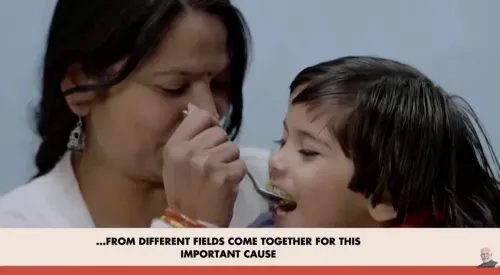
Moringa oleifera — called munga or sahjan across central India — is among the most nutrient-dense plants available in the region, rich in protein, calcium, iron, and vitamins A and C. The state's 'Har Ghar Munga' initiative promotes cultivation and regular consumption of the drumstick plant as a low-cost, locally available solution to address nutritional gaps, particularly among children and pregnant women in tribal blocks.
The campaign aligns with India's national POSHAN Abhiyaan, launched in 2018, which has consistently encouraged states to leverage indigenous, nutrient-rich foods rather than relying solely on centrally distributed supplements. Chhattisgarh's adaptation of that framework — rooting it in a plant already grown in household compounds across the state — is what drew PM Modi's attention on air.
National recognition as a force multiplier
CM Sai framed the prime ministerial praise as more than ceremonial validation. In his post on X, he said PM Modi's appreciation would inspire more families to connect with the 'Kuposhan Mukt Chhattisgarh' effort and that the guidance would give new energy to the state's 'Suposhit Chhattisgarh' (Well-nourished Chhattisgarh) resolve. He specifically invoked jan bhaagidari — people's participation — as the mechanism through which nutrition security would reach every home.
A prime-time mention on a programme with an estimated listenership of tens of millions carries genuine mobilisation value: it signals to district administrations, self-help groups, and anganwadi workers that the campaign has the Centre's eye — and that performance will be noticed.
Chhattisgarh has staked its nutrition strategy on a tree that grows for free in its own backyard; the question now is whether that quiet green revolution can scale fast enough to move the malnutrition needle in its most vulnerable blocks.
Point of View
The recognition is doubly useful: it validates a BJP-governed state's governance model ahead of any future electoral cycle and creates grassroots buzz that no government advertisement can easily replicate. The broader pattern — Centre spotlighting a state initiative rooted in indigenous knowledge rather than top-down supplement distribution — also signals a maturing approach to nutrition policy that relies on community ownership over bureaucratic delivery alone. Whether the campaign translates this recognition into measurable falls in child stunting and wasting in Chhattisgarh's tribal blocks remains the real test.
NationPress
27 Sept 2026
Frequently Asked Questions
What is the Har Ghar Munga campaign in Chhattisgarh?
'Har Ghar Munga — Ghar Ghar Munga' is a Chhattisgarh state campaign that promotes the cultivation and daily consumption of the drumstick (Moringa) plant to combat malnutrition, especially among children and pregnant women in tribal districts, using a locally available and highly nutritious food source.
Why did PM Modi mention Chhattisgarh in Mann Ki Baat Episode 138?
PM Modi highlighted the 'Har Ghar Munga' campaign during Episode 138 of Mann Ki Baat on 27 September 2026 as an example of a state-level initiative using locally available nutrition to fight malnutrition, in the context of his broader discussion on nutrition security.
Where did CM Vishnu Deo Sai listen to Mann Ki Baat Episode 138?
CM Vishnu Deo Sai attended the live listening session of Mann Ki Baat Episode 138 at Antagarh in Kanker district of Chhattisgarh on 27 September 2026.
What is Mann Ki Baat and how often does PM Modi host it?
Mann Ki Baat is PM Narendra Modi's monthly radio address to the nation covering topics ranging from national defence and governance to health, cleanliness, and social issues. It is broadcast on the last Sunday of every month.
How does the Har Ghar Munga campaign relate to POSHAN Abhiyaan?
Chhattisgarh's Har Ghar Munga campaign aligns with India's national POSHAN Abhiyaan, launched in 2018, which encourages states to leverage indigenous, nutrient-rich foods. The Moringa-based drive is the state's locally adapted response to that national framework.