CM Majhi visits Koraput flood camp, orders faster relief
Synopsis
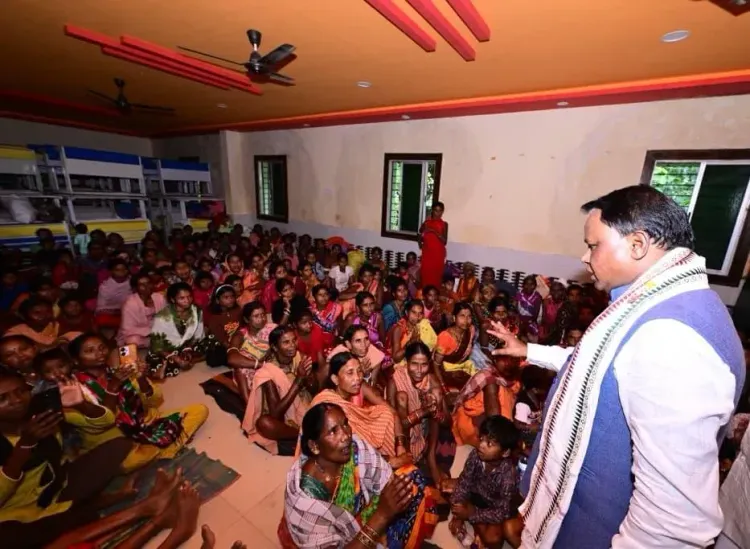
Chief Minister Mohan Charan Majhi personally visited rain-affected residents at Chandili High School in Koraput on 27 September 2026, spoke with displaced families, and directed local representatives and district officials to accelerate relief and assistance operations.
Key Takeaways
CM Mohan Charan Majhi visited Chandili High School in Koraput district on 27 September 2026 to meet flood-displaced residents.
He personally interacted with rain-affected families, enquiring about their difficulties and needs at the relief camp.
Majhi held discussions with local elected representatives and district administrative officers on-site.
He issued direct instructions to further expedite relief and assistance work in the affected area.
Koraput is one of Odisha's most vulnerable districts due to its hilly terrain and susceptibility to monsoon flooding.
Odisha has maintained institutionalised disaster relief protocols since Cyclone Fani (2019) , including senior-leadership oversight during active events.
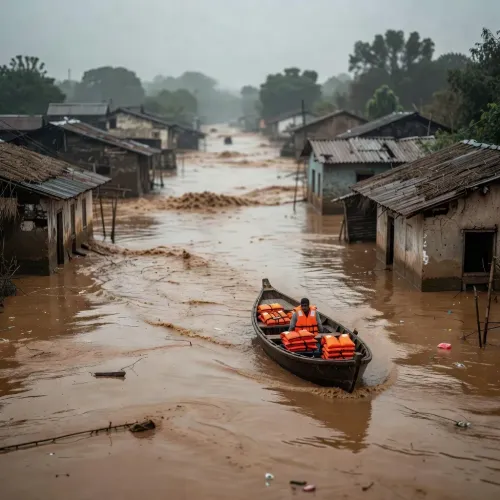
When a sitting Chief Minister walks into a relief camp and sits down with displaced families to ask — face to face — what they need, it signals the state is watching closely. Chief Minister Mohan Charan Majhi on Sunday, 27 September 2026, visited rain-affected residents sheltered at Chandili High School in Koraput district, personally engaging with those displaced by heavy downpour-triggered flooding and directing officials to accelerate relief operations on the ground.
What CM Majhi saw at Chandili High School
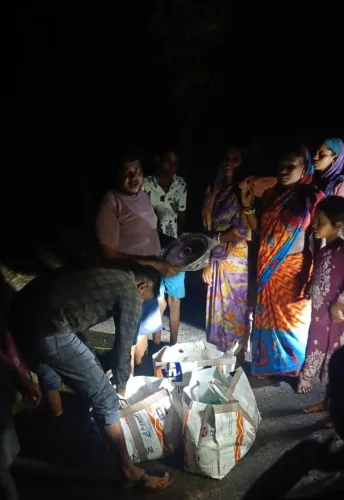
The Chief Minister's Office confirmed that Majhi held direct conversations with affected residents, enquiring about the difficulties they were facing in the relief camp. The interaction went beyond a symbolic walkthrough — Majhi probed specific grievances and comforts, gathering first-hand accounts of what relief provisions were reaching people and what gaps remained.
Following his round with residents, he convened an on-site meeting with local elected representatives and district administrative officers, issuing explicit instructions to further expedite relief and assistance work. The message from the top was direct: pace up delivery, leave no gap unaddressed.
Why Koraput is especially vulnerable every monsoon
Koraput, tucked into the hilly, heavily forested southern tip of Odisha, is home to a large tribal population and is one of the state's most topographically complex districts. Its terrain makes it particularly susceptible to flash floods and landslides when the Bay of Bengal churns up depressions and cyclonic storms during the monsoon months — a near-annual occurrence.
Odisha's institutional memory of disaster response runs deep. Since Cyclone Fani devastated the coast in 2019, the state has reinforced structured protocols — rapid assessment teams, camp-based assistance, and mandatory senior-leadership oversight during active events. CM-level visits to relief sites have become a standard coordination lever, bridging the gap between elected accountability and district-level execution.
The relief machine Odisha built — and is now running again
The state's Revenue and Disaster Management Department serves as the operational backbone during such events, liaising between district collectors, local panchayati raj representatives, and the Chief Minister's office. The directive Majhi issued on Sunday — to accelerate relief — feeds directly into that chain, with district officials expected to translate the CM's instruction into measurable action on food, shelter, and medical support at the camp level.
Whether additional relief camps are opened, how quickly affected families are assessed for compensation, and when displaced residents can safely return home are now the live questions Koraput's administration must answer — under direct watch from the top.
Point of View
Boots-on-ground disaster response as a trust-building tool with tribal and rural constituencies that the previous government sometimes struggled to reach quickly. Koraput's demographic weight — predominantly ST population, historically marginalised — makes any perceived neglect during a crisis politically costly. By showing up personally and issuing on-site directives rather than governing from Bhubaneswar, Majhi is simultaneously doing administrative work and political groundwork. The real test, as always in Odisha's southern belt, is whether the acceleration he ordered translates into relief reaching the last displaced family — not just the ones in front of a camera.
NationPress
27 Sept 2026
Frequently Asked Questions
Why did CM Majhi visit Koraput on 27 September 2026?
CM Mohan Charan Majhi visited Chandili High School in Koraput to personally meet residents displaced by heavy rain-induced flooding, assess their conditions, and direct local officials to speed up relief operations.
What is the Chandili High School relief camp in Koraput?
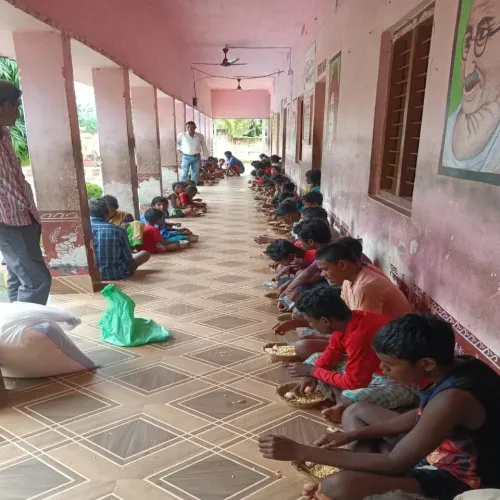
Chandili High School in Koraput district, Odisha, was being used as a shelter for residents displaced by heavy monsoon rains and associated flooding in late September 2026.
How does Odisha handle flood and cyclone relief?
Odisha has institutionalised disaster relief protocols — including rapid assessment teams, camp-based assistance, and mandatory senior-leadership oversight — strengthened significantly after Cyclone Fani in 2019.
Is Koraput frequently affected by floods?
Yes. Koraput's hilly terrain in southern Odisha makes it highly vulnerable to flash floods and landslides caused by cyclonic depressions and heavy monsoon rains originating from the Bay of Bengal.
Who is Mohan Charan Majhi?
Mohan Charan Majhi is the Chief Minister of Odisha, in office since June 2024, representing the Bharatiya Janata Party after the party's victory in the 2024 Odisha state elections.