CM Majhi Marks 2 Years of Mining Reforms in Odisha
Synopsis
On the second anniversary of the BJP government in Odisha, Chief Minister Mohan Charan Majhi credited his administration with record mineral production, stronger governance and community-linked development in the Steel and Mines sector, framing responsible extraction as the foundation of a prosperous Odisha.
Key Takeaways
Chief Minister Mohan Charan Majhi marked two years of BJP rule in Odisha on 15 July 2026 with a focus on Steel and Mines sector performance.
The government claims record mineral production alongside technology-driven governance reforms in the sector.
Odisha holds major deposits of iron ore, bauxite, coal and chromite, making mining central to the state's economy.
The BJP administration ended 24 years of BJD rule in June 2024 , pledging transparent lease management and higher royalty utilisation for local communities.
Reforms align with the national MMDR Amendment of 2015 , which mandated District Mineral Foundations to fund welfare in mining-affected areas.
Independent verification of production figures and technology rollouts is expected when the next official state mining report is released.
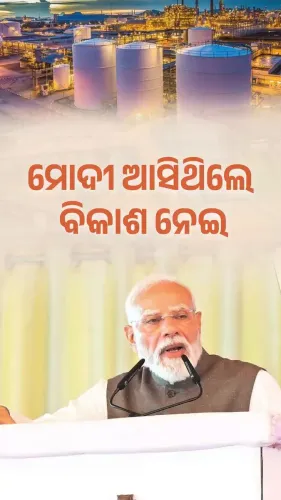
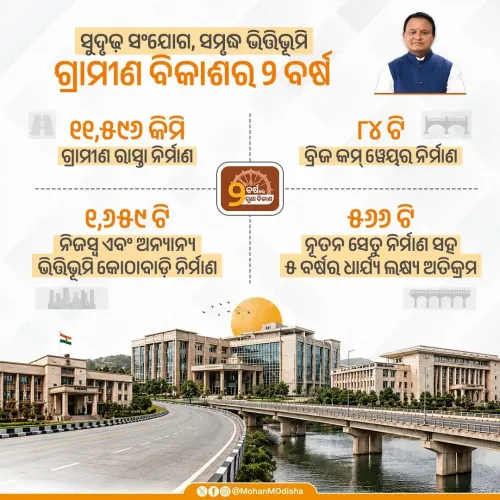
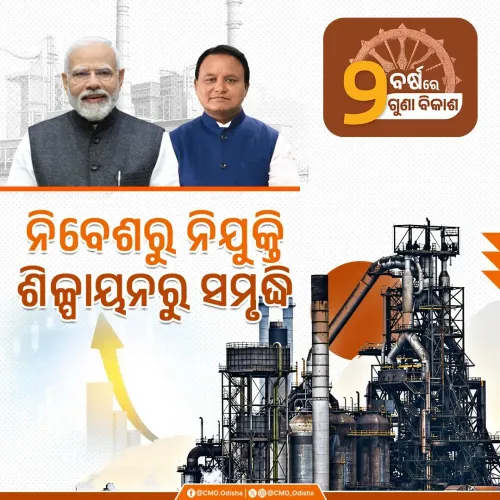
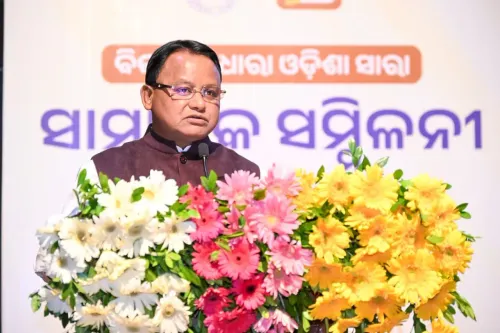
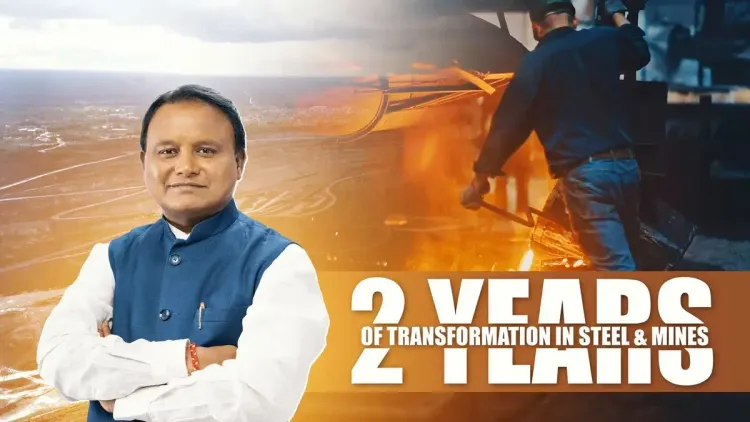
Odisha Chief Minister Mohan Charan Majhi on Wednesday, 15 July 2026 highlighted his government's two-year record in the Steel and Mines sector, citing mineral production gains, technology-driven governance and community investment as pillars of what he called a Samruddha Odisha (Prosperous Odisha).
Context
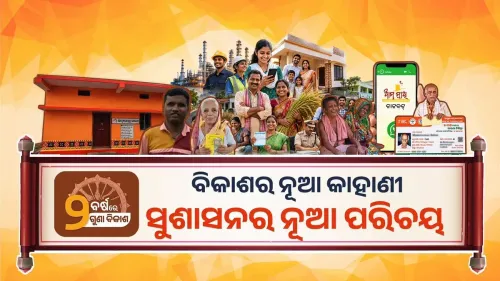
Posting under the hashtags #2YearsofLokankaSarakar (Two Years of the People's Government) and #BikasharaDharaOdishaSara, CM Majhi framed the milestone as a break from the past. The BJP swept to power in Odisha in June 2024, ending 24 years of Biju Janata Dal rule, and immediately pledged transparent mining governance and a larger share of mineral revenues for local communities.
In his post, the Chief Minister stated: 'By ensuring transparent resource management while investing in education, healthcare and community development, every initiative is creating sustainable growth and greater prosperity for the people.' The message was accompanied by a video released by his office.
Policy Backdrop
Odisha is one of India's most mineral-rich states, holding significant deposits of iron ore, bauxite, coal and chromite. The Steel and Mines Department oversees mineral leases, production oversight and regulatory compliance across these sectors.
The government's stated approach — record production alongside responsible extraction — fits within a broader national shift that began with the Mines and Minerals (Development and Regulation) Amendment Act of 2015. That law mandated technology-enabled lease auctions and established District Mineral Foundations (DMFs) to channel a portion of mining royalties directly into welfare and infrastructure spending in affected districts.
Odisha's reforms mirror similar trajectories in neighbouring mineral-producing states such as Jharkhand and Chhattisgarh, where linking extraction revenue to local development has become a governance benchmark.
Stakeholders and Impact
The communities most directly affected by mining policy in Odisha are those in mineral-belt districts, where tribal populations have historically borne the environmental and social costs of large-scale extraction. The government's emphasis on education, healthcare and community development spending signals an intent to direct DMF and royalty revenues toward these groups.
For the steel industry — a major downstream consumer of Odisha's iron ore and coal — stable, transparent lease management reduces supply uncertainty. The state's mining output also feeds into national steel production targets, giving the reforms significance beyond Odisha's borders.
What's Next
Attention will now turn to the state's next annual mining report and any updated District Mineral Foundation guidelines expected during the 2026-27 budget session. Concrete production figures and technology rollout timelines, once officially published, will allow independent assessment of whether the two-year record matches the government's claims.
As CM Majhi positions responsible mining as central to Odisha's development identity, the pressure to back political messaging with auditable data will only grow — particularly from tribal rights groups and opposition parties watching the sector closely.
Point of View
And the Steel and Mines sector, being Odisha's most visible economic engine, is the natural centrepiece. By coupling 'record production' with 'responsible mining,' the government is attempting to neutralise a persistent criticism that extraction-led growth bypasses tribal communities. The emphasis on DMF-linked education and healthcare spending mirrors a playbook used successfully in other BJP-governed mineral states. The real test will come when audited production data and DMF expenditure reports are made public — those numbers will determine whether the anniversary messaging holds up to scrutiny.
NationPress
14 Oct 2026
Frequently Asked Questions
What has the Odisha government done in mining in the last two years?
The BJP government under CM Mohan Charan Majhi claims to have achieved record mineral production, introduced technology-driven governance reforms and increased community investment through District Mineral Foundation spending in the Steel and Mines sector since taking office in June 2024.
Why is Odisha's mining sector important?
Odisha holds some of India's largest deposits of iron ore, bauxite, coal and chromite, making its mining sector a major driver of state revenue, national steel production and employment in mineral-belt districts.
What is Samruddha Odisha?
'Samruddha Odisha' translates to 'Prosperous Odisha' and is a development vision articulated by the BJP state government, linking responsible resource extraction to broader economic growth and social welfare.
What is a District Mineral Foundation and how does it help Odisha's tribal communities?
A District Mineral Foundation is a statutory trust, mandated under the 2015 MMDR Amendment, that collects a share of mining royalties and deploys them on education, healthcare and infrastructure in communities affected by mining — a key mechanism for ensuring tribal populations benefit from extraction in their regions.
When did the BJP come to power in Odisha?
The BJP won the Odisha assembly elections in June 2024 , ending 24 years of Biju Janata Dal governance, and Mohan Charan Majhi was sworn in as Chief Minister.