CM Mann's Mawan-Dhiyan Satkar Yojana Reaches Elderly Women
Synopsis
The Chief Minister's Office of Punjab shared visuals on 15 July 2026 of elderly women receiving financial assistance under the Mukhya Mantri Mawan-Dhiyan Satkar Yojana, with beneficiaries offering blessings to CM Bhagwant Singh Mann for the initiative.
Key Takeaways
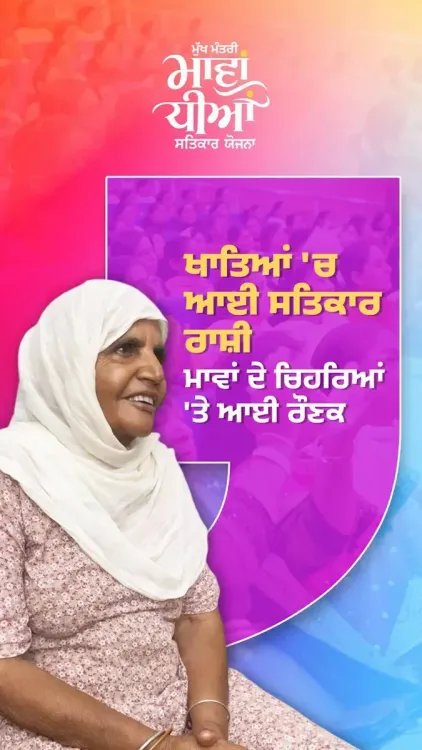
The Chief Minister's Office of Punjab shared a video on 15 July 2026 documenting disbursement of benefits under the Mukhya Mantri Mawan-Dhiyan Satkar Yojana .
The scheme provides financial assistance — called satkar rashi (respect-amount) — to elderly women beneficiaries across Punjab .
Elderly recipients are described as offering blessings to CM Bhagwant Singh Mann for the initiative.
The scheme is part of a broader pattern of targeted cash-transfer welfare programmes introduced by the Aam Aadmi Party government in Punjab since 2022 .
Exact benefit amounts, eligibility criteria, and coverage numbers have not been officially disclosed in this post.
Future state budget sessions will be key to assessing the scheme's funding and long-term reach.
The Chief Minister's Office of Punjab announced on Wednesday, 15 July 2026 that elderly women beneficiaries have begun receiving financial assistance under the Mukhya Mantri Mawan-Dhiyan Satkar Yojana, a state welfare scheme launched by the Punjab government under Chief Minister Bhagwant Singh Mann.
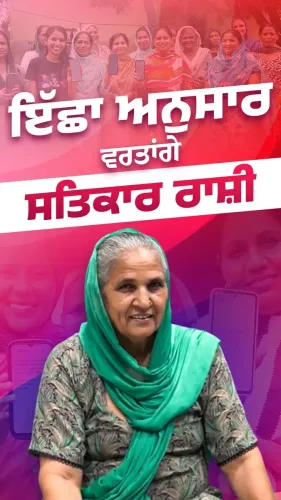
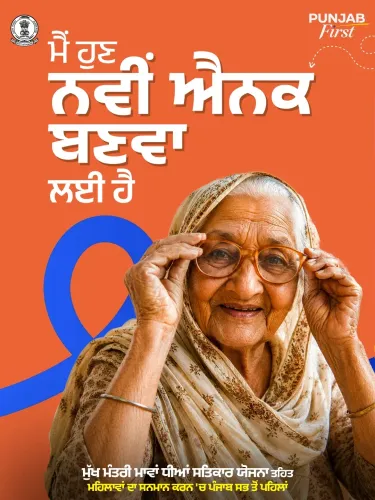
The CMO's post, written in Punjabi, described the moment of disbursement: 'ਜਦੋਂ ਸਤਿਕਾਰ ਰਾਸ਼ੀ ਬਜ਼ੁਰਗ ਮਾਵਾਂ ਦੇ ਹੱਥਾਂ ਵਿੱਚ ਪਹੁੰਚੀ' ('when the respect-amount reached the hands of elderly mothers'), their eyes reflected joy and their faces showed peace. Elderly beneficiaries are reported to be offering heartfelt blessings to CM Bhagwant Singh Mann for the initiative.
Context
The scheme's name — Mukhya Mantri Mawan-Dhiyan Satkar Yojana — translates roughly to 'Chief Minister's Scheme for the Honour of Mothers and Daughters,' signalling its focus on dignity alongside financial support. The disbursement event captured in the post appears to show beneficiaries receiving what the scheme terms satkar rashi, or 'respect-amount', a framing that emphasises social recognition rather than charity.
Punjab has operated state old-age pension programmes for decades, providing monthly cash transfers to eligible elderly residents. This scheme appears to build on that lineage while adding a distinct public-messaging dimension around respect and honour for older women.
Policy Backdrop
Since the Aam Aadmi Party came to power in Punjab following its landslide assembly election victory in March 2022, the state government has introduced or expanded multiple targeted cash-transfer schemes focused on women, girls, and the elderly. These form a core strand of the AAP government's welfare agenda, mirroring similar direct-benefit-transfer programmes seen across Indian states.
Implementation of such schemes typically involves direct bank transfers combined with local disbursement events — the latter serving both an administrative and a symbolic function, allowing beneficiaries to receive assistance in a public, dignified setting. The video accompanying the CMO's post appears to document one such event.
Stakeholders and Impact
The primary beneficiaries are elderly women across Punjab, particularly those without adequate income support. The scheme's dual focus — mothers (mawan) and daughters (dhiyan) — suggests it may address women across age groups, though the disbursement described in this post centres on older women.
For the state government, such schemes carry both a welfare function and a political signal: that public spending is being directed toward historically under-supported demographics. Beneficiaries quoted in the CMO's post are described as offering blessings to the Chief Minister, reflecting the personal resonance such assistance can carry for recipients with limited financial security.
What's Next
Details on the scheme's eligibility criteria, benefit amounts, and total coverage are expected to be reflected in Punjab's state budget documents and assembly sessions. As disbursements continue, the government is likely to publicise further rounds of distribution as part of its broader welfare communications. The scheme's scale and sustainability will ultimately depend on budgetary allocations in the coming financial year, making the next state budget a key moment to watch.
Point of View
High-visibility welfare disbursements — a strategy that combines direct financial transfers with strong public messaging around dignity and respect. By framing the benefit as a 'satkar rashi' (respect-amount) rather than a pension or dole, the government is making a deliberate rhetorical choice that resonates with cultural values around elder care in Punjab. The CMO's decision to publicise disbursement moments through video aligns with a broader trend among state governments of using social media to personalise welfare delivery. How the scheme scales — and whether it reaches rural and marginalised elderly women consistently — will be the real test of its impact beyond the optics.
NationPress
15 Oct 2026
Frequently Asked Questions
What is the Mukhya Mantri Mawan-Dhiyan Satkar Yojana in Punjab?
It is a welfare scheme launched by the Punjab government under Chief Minister Bhagwant Singh Mann that provides financial assistance — referred to as 'satkar rashi' or respect-amount — to elderly women and other female beneficiaries in the state.
Who benefits from the Mukhya Mantri Mawan-Dhiyan Satkar Yojana?
The scheme primarily targets elderly mothers and women in Punjab who lack adequate financial support, with the name 'Mawan-Dhiyan' (Mothers-Daughters) indicating a broader focus on women across age groups.
What did the CMO Punjab post on 15 July 2026?
The Chief Minister's Office of Punjab posted a video on X showing elderly women receiving financial assistance under the Mukhya Mantri Mawan-Dhiyan Satkar Yojana, describing their joy and noting that beneficiaries were offering blessings to CM Bhagwant Singh Mann.
How does Punjab's Satkar Yojana compare to other state welfare schemes?
Punjab has operated old-age pension cash-transfer programmes for decades; the Satkar Yojana builds on that lineage while adding a public-messaging emphasis on dignity and respect, similar to women-focused direct-benefit-transfer schemes seen in several other Indian states.
What is Bhagwant Singh Mann's role in the Mawan-Dhiyan scheme?
Bhagwant Singh Mann, Chief Minister of Punjab since March 2022 and leader of the Aam Aadmi Party government, launched the Mukhya Mantri Mawan-Dhiyan Satkar Yojana as part of the state's welfare agenda focused on women and the elderly.