Chirag Paswan Pitches Inclusive Growth Over Caste Lines for UP
Synopsis
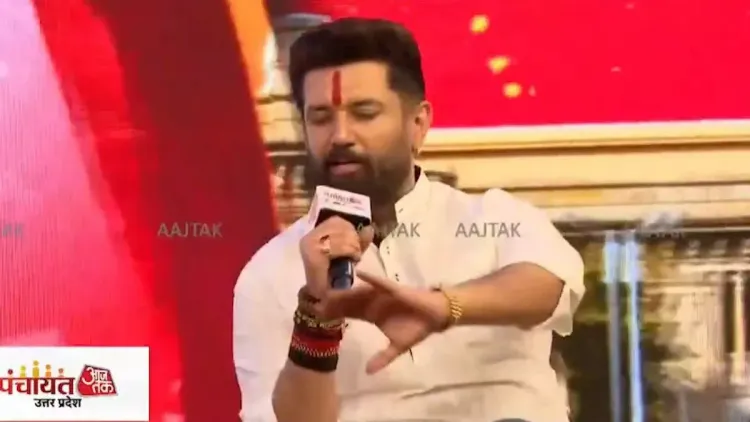
Union Food Processing Minister Chirag Paswan on 15 July 2026 rejected caste and religious divisions in Uttar Pradesh, calling for equal opportunity for all 24 crore residents and pledging his fight for per-capita income growth and Ease of Doing Business.
Key Takeaways
Union Minister Chirag Paswan stated on 15 July 2026 that Uttar Pradesh's 24 crore people should not be viewed through caste or religious divisions.
He called for an inclusive system ('samaveshi vyavastha') where every individual gets equal opportunity to progress without discrimination.
Paswan declared his fight is for development, per-capita income growth, and Ease of Doing Business — not identity-based politics.
The statement extends the NDA's development-first narrative — active since 2014 — to India's most populous state.
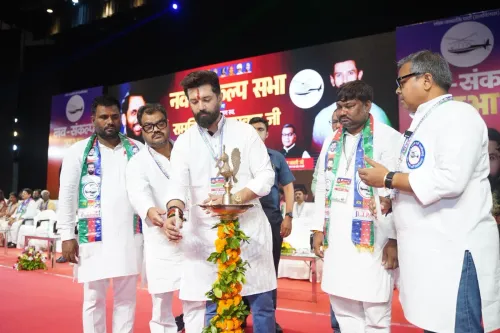
As national president of Lok Janshakti Party (Ram Vilas) , Paswan's outreach to UP signals a possible expansion of the party's footprint beyond its Bihar base.
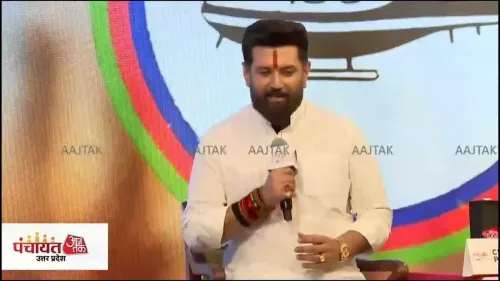
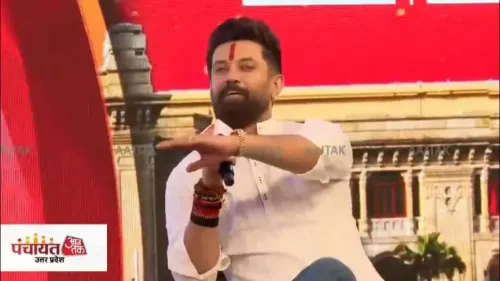
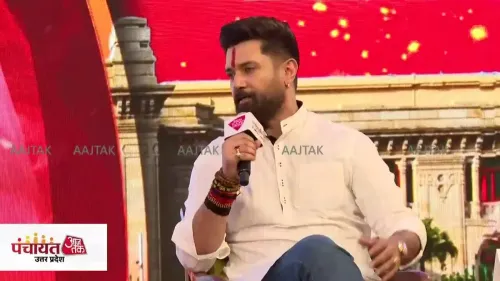
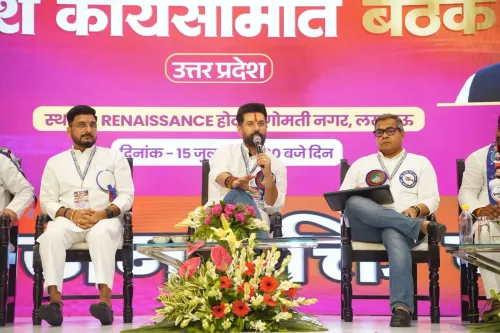
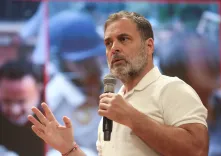
Union Food Processing Minister Chirag Paswan on Wednesday, 15 July 2026, called for an end to viewing Uttar Pradesh's 24 crore people through the lens of caste and religion, urging instead a vision of equal opportunity and inclusive economic development for the state's youth.
Posting in Hindi on X, Paswan wrote: 'उत्तर प्रदेश की 24 करोड़ जनता को जातियों और धर्मों में बांटकर देखने की जरूरत नहीं है' — 'There is no need to view the 24 crore people of Uttar Pradesh divided by castes and religions; we must see them united together.' He added that his fight is for development, raising per-capita income, and Ease of Doing Business — not for confining society to separate categories.
Context
Paswan's statement arrives against the backdrop of Uttar Pradesh's historically caste-charged political environment, where identity-based mobilisation has long shaped electoral and governance narratives. The minister, who heads the Lok Janshakti Party (Ram Vilas) — a party rooted in Bihar's Dalit politics — has been positioning himself as a voice for pan-community development rather than sectarian appeals. His post explicitly rejects the framing of UP's population along religious or caste lines, calling instead for a 'samaveshi vyavastha' — an inclusive system — where every individual has an equal chance to progress.
Policy Backdrop
The emphasis on Ease of Doing Business and per-capita income growth echoes a central pillar of the NDA government's economic agenda since 2014, when the Centre began actively tracking and improving India's business climate rankings. Chirag Paswan was inducted into the Union Cabinet after the 2024 Lok Sabha elections, taking charge of the Ministry of Food Processing Industries. His post extends that development-first vocabulary to Uttar Pradesh, India's most populous state with over 24 crore residents, signalling a political outreach that blends economic messaging with social inclusivity.
Stakeholders and Impact
The groups most directly addressed in Paswan's statement are UP's youth, MSME entrepreneurs, and marginalised communities who have historically been at the receiving end of identity-based political competition. By invoking equal opportunity and the removal of discrimination, Paswan is appealing to first-time job seekers and small-business owners who are sensitive to the state's investment climate. His framing — 'meri ladai vikas ke liye hai' ('my fight is for development') — is a deliberate counter-narrative to politicians who have built constituencies around caste consolidation in the state.
What's Next
Observers will watch whether Paswan's inclusive-growth rhetoric translates into concrete policy moves, such as skill-development programmes or investment summits targeting Uttar Pradesh. Any parliamentary discussion on food-processing sector expansion or ease-of-doing-business legislation could give the minister a platform to operationalise these stated priorities. The statement may also be a signal of the LJP (Ram Vilas) expanding its organisational footprint beyond its Bihar base into the politically crucial terrain of Uttar Pradesh ahead of future electoral cycles.
Point of View
Positioning him as a development-oriented voice within the NDA coalition at a time when UP's electoral landscape remains intensely competitive. By invoking per-capita income and Ease of Doing Business — metrics associated with the central government's economic reform agenda — he is aligning his personal brand with governance outcomes rather than identity mobilisation. The LJP (Ram Vilas), historically a Bihar-centric Dalit party, appears to be testing broader pan-UP appeal, which would mark a significant strategic shift for the organisation. Whether this rhetoric finds institutional expression in policy or remains messaging will determine its political durability.
NationPress
14 Oct 2026
Frequently Asked Questions
What did Chirag Paswan say about Uttar Pradesh?
On 15 July 2026, Chirag Paswan said there is no need to view UP's 24 crore people through caste or religious lines, calling instead for equal opportunity for all youth and pledging to fight for development and Ease of Doing Business.
Why is Chirag Paswan talking about Uttar Pradesh?
As a Union Minister and NDA leader, Paswan is extending the central government's development-first narrative to UP, India's most populous state, possibly signalling political outreach ahead of future electoral cycles.
What is Ease of Doing Business and why did Chirag Paswan mention it?
Ease of Doing Business refers to a framework of reforms that simplify regulations for entrepreneurs and investors. Paswan cited it as a core pillar of his development agenda for Uttar Pradesh, in line with the NDA government's economic reform focus since 2014.
Is Chirag Paswan's party LJP active in Uttar Pradesh?
The Lok Janshakti Party (Ram Vilas) has traditionally been strongest in Bihar, but Paswan's statement on UP's inclusive growth suggests the party may be seeking to expand its influence in Uttar Pradesh.
What does Chirag Paswan mean by an inclusive system for UP?
He used the Hindi phrase 'samaveshi vyavastha' — an inclusive system — to describe a governance model where every person, regardless of caste or religion, gets equal opportunities to advance economically and socially.