CM Majhi marks 2 years of BJP rule with youth jobs push in Odisha
Synopsis
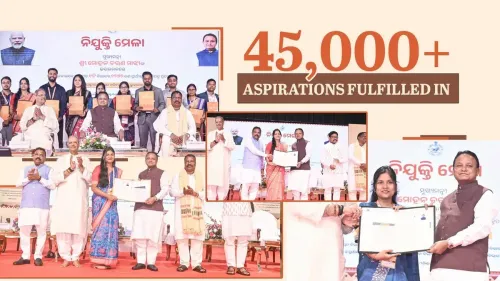
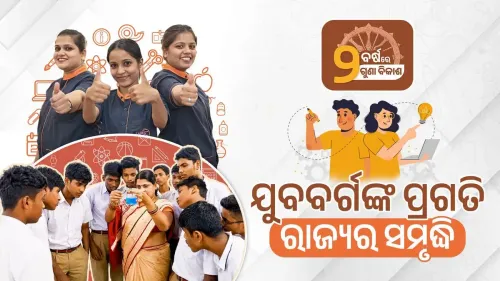
Odisha Chief Minister Mohan Charan Majhi marked two years of BJP governance on 16 June 2026 by citing thousands of merit-based government jobs, an age-limit raised to 42, district sports facilities, and technology training as proof of a youth-first delivery record.
Key Takeaways
Chief Minister Mohan Charan Majhi posted on 16 June 2026 marking two years of the BJP government in Odisha .
The government claims to have delivered 'thousands' of transparent, merit-based government jobs in two years — exact figures are unverified.
The upper age limit for state government posts has been raised to 42 years , expanding eligibility for a large cohort of aspirants.
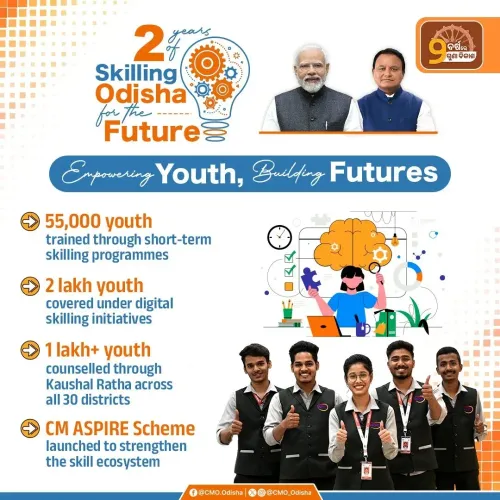
District-level sports infrastructure and 'global-standard' technology training are cited as key youth-facing investments.
Recruitment is being channelled through OPSC and OSSSC with an emphasis on merit and transparency.
Future budget allocations and recruitment calendars will be the key test of whether the two-year narrative translates into sustained delivery.
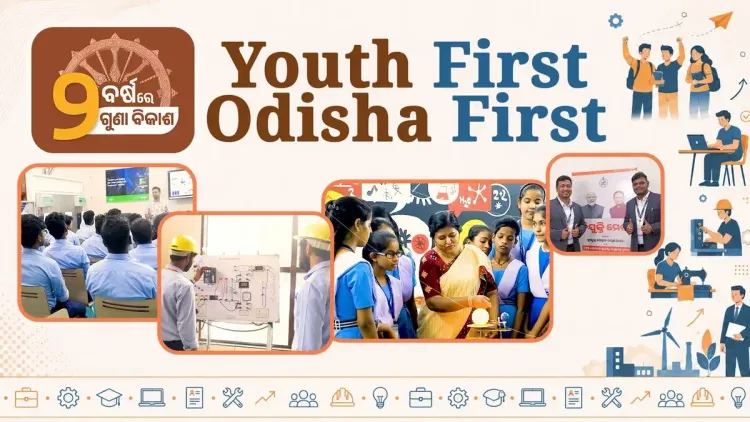
Odisha Chief Minister Mohan Charan Majhi on Tuesday, 16 June 2026 took to X to mark two years of his government's tenure, highlighting merit-based job creation, an age-limit relaxation for government posts, technology training, and district-level sports infrastructure as the defining achievements of the period. The post, tagged #2YearsofLokankaSarakar and #2YearsofJubaSamruddhi, framed the milestone as the beginning of a 'prime era' for Odisha's youth.
Context
The BJP formed its first-ever government in Odisha in June 2024, ending 24 years of Biju Janata Dal rule under Naveen Patnaik. Majhi, a tribal leader from the Keonjhar region, was sworn in as Chief Minister and immediately positioned youth employment and transparent recruitment as the pillars of his administration. The two-year mark prompted a social-media review of those promises.
In his post, Majhi wrote: 'In just 2 years, we've delivered thousands of transparent, merit-based government jobs and flexed the age limit to 42, so more people get their shot.' He added references to 'global-standard tech training' and 'elite sports setups in every district' as evidence of on-ground delivery.
Policy Backdrop
Since taking office, the Majhi government has pushed recruitment through the Odisha Public Service Commission (OPSC) and the Odisha Sub-ordinate Staff Selection Commission (OSSSC), with an explicit emphasis on merit and transparency — a deliberate contrast to allegations of irregularities that dogged the previous administration. Raising the upper age limit for state government posts to 42 years is a significant policy shift aimed at candidates who had been repeatedly passed over during years of delayed or stalled recruitment cycles.
Age-limit relaxations have precedent in Odisha: successive administrations since the 2010s have periodically extended eligibility windows to absorb the backlog of aspirants. What distinguishes the current announcement is its pairing with skill-development and sports infrastructure drives, suggesting a broader 'opportunity ecosystem' framing rather than a standalone jobs measure.
Stakeholders and Impact
The primary beneficiaries are Odisha's young job-seekers — particularly those in the 26–42 age bracket who now qualify for government posts they previously aged out of. District-level sports infrastructure, if delivered at the scale implied, would benefit student athletes across 30 districts, reducing the historical concentration of elite facilities in Bhubaneswar and Cuttack.
Technology training initiatives, described as 'global-standard' in the post, are aimed at making Odisha competitive in the national skilling landscape, where states such as Telangana and Karnataka have set benchmarks. For the BJP, demonstrable delivery on these fronts is also an electoral asset ahead of future assembly and local-body contests in the state.
What's Next
Attention will now turn to Odisha's forthcoming budget allocations for skill development and sports, as well as the OPSC and OSSSC recruitment calendars, which will indicate whether the pace of hiring matches the government's two-year narrative. Advocacy groups and opposition parties are expected to scrutinise the exact number of posts filled versus advertised, and the status of district sports facilities on the ground. The Majhi government's ability to sustain this momentum through the second half of its term will be the real measure of its youth agenda.
Point of View
Youth-coded register of the post ('No cap', 'prime era') signals a deliberate attempt to reach first-time and young voters on platforms where they are most active. Whether the delivery numbers hold up to independent scrutiny will determine whether this messaging compounds into durable political capital or becomes a liability by the next election cycle.
NationPress
26 Sept 2026
Frequently Asked Questions
What is the new age limit for Odisha government jobs under CM Majhi?
The Majhi government has raised the upper age limit for state government posts to 42 years, allowing a wider pool of candidates to apply for positions they may have previously been ineligible for due to age.
How long has the BJP been in power in Odisha?
The BJP completed two years in power in Odisha in June 2026, having formed its first-ever state government after winning the 2024 Odisha Legislative Assembly election and ending 24 years of BJD rule.
What is #2YearsofJubaSamruddhi?
'Juba Samruddhi' roughly translates to 'youth prosperity' in Odia, and the hashtag was used by CM Majhi to mark two years of his government's youth-focused policies including jobs, sports, and skill development.
Which bodies handle government job recruitment in Odisha?
Government recruitment in Odisha is primarily conducted through the Odisha Public Service Commission (OPSC) and the Odisha Sub-ordinate Staff Selection Commission (OSSSC), both of which the Majhi government has positioned as merit-based and transparent.
What sports and skill infrastructure has the Odisha government announced for districts?
CM Majhi's post references 'elite sports setups in every district' and 'global-standard tech training', though specific facility names and verified completion data have not been independently confirmed at this stage.