CM Majhi Calls for Tobacco-Free Odisha on World No Tobacco Day
Synopsis
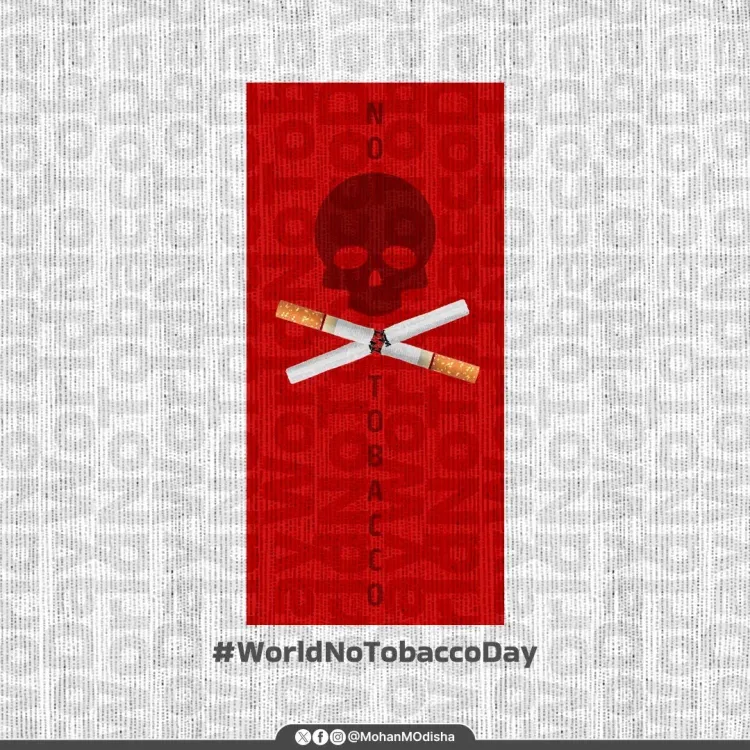
On World No Tobacco Day, 31 May 2026, Odisha Chief Minister Mohan Charan Majhi called on residents to embrace a tobacco-free life, linking personal health choices to a stronger society and a more prosperous Odisha, in line with India's national tobacco control framework.
Key Takeaways
Odisha Chief Minister Mohan Charan Majhi posted a World No Tobacco Day appeal on 31 May 2026 .
He urged all residents to stay away from tobacco and encourage others to do the same.
World No Tobacco Day has been observed globally on 31 May every year since 1987 , established by the WHO .
India enacted COTPA in 2003 and ratified the WHO FCTC in 2004 to anchor its tobacco control policy.
The National Tobacco Control Programme , launched in 2007-08 , supports state-level efforts including in Odisha .
Odisha has a population of over 46 million , making state-level tobacco awareness campaigns a significant public health priority.
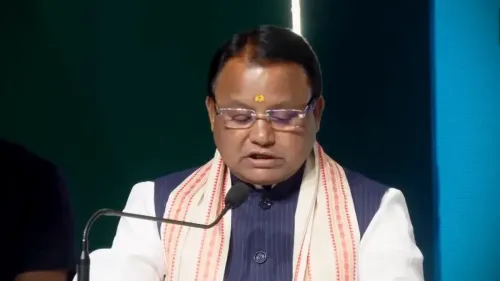
Odisha Chief Minister Mohan Charan Majhi on Sunday, 31 May 2026 used World No Tobacco Day to call on residents of the state to commit to a tobacco-free life, urging collective action toward a healthier society. The appeal, posted on his official X account, aligns with a broader national and global push to reduce tobacco consumption.
Context
World No Tobacco Day is observed every year on 31 May and was established by the World Health Organization (WHO) in 1987 to raise awareness about the health risks associated with tobacco use. The day serves as a focal point for governments, civil society groups and health advocates to reinforce anti-tobacco messaging. Chief Minister Majhi's post fits squarely within this annual observance, echoing the WHO's call for demand reduction and public education.
In his post, Majhi wrote: 'A tobacco-free life is the foundation of a healthier family, a stronger society and a brighter future.' He urged everyone to 'stay away from tobacco and encourage others to do the same,' framing the effort as a shared responsibility toward 'a healthier, happier and more prosperous Odisha.'
Policy Backdrop
India enacted the Cigarettes and Other Tobacco Products Act (COTPA) in 2003, which prohibits tobacco advertising and regulates packaging and sale. A year later, in 2004, India ratified the WHO Framework Convention on Tobacco Control (FCTC), committing to evidence-based measures spanning taxation, smoke-free environments and cessation support.
At the national level, the Union Ministry of Health launched the National Tobacco Control Programme (NTCP) in 2007-08 to support state-level cessation and awareness efforts. Odisha, like other states, has historically participated in the NTCP through district-level cells and school-based awareness campaigns, embedding tobacco control within its public health infrastructure.
The BJP-led government in Odisha, which assumed office in June 2024 under Chief Minister Majhi, operates within this established national-state coordination framework on tobacco control.
Stakeholders and Impact
Odisha is home to over 46 million residents, a significant portion of whom are directly or indirectly affected by tobacco use through health outcomes, household expenditure and productivity loss. Tobacco-related illnesses place a sustained burden on the state's public health system, making awareness campaigns a recurring priority for state administrations.
Tobacco users, their families and healthcare providers are the primary stakeholders in any state-level tobacco control effort. School-going children and young adults represent a key target group for prevention messaging, given that most tobacco habits form in early years. Majhi's public appeal on a high-visibility platform reinforces the social norm against tobacco use at scale.
What's Next
Observers will watch whether the Chief Minister's World No Tobacco Day statement is followed by concrete state-level enforcement actions under COTPA or new Odisha-specific tobacco cessation schemes in the current fiscal year. Strengthened district-level implementation of the NTCP and expanded public awareness drives would be the logical next steps consistent with the appeal. India's obligations under the WHO FCTC continue to provide a policy roadmap for states seeking to deepen tobacco control efforts beyond ceremonial observances.
Point of View
Such public health messaging helps establish a visible welfare identity beyond infrastructure and development. The appeal's emphasis on collective responsibility — 'together, let us work' — reflects a deliberate framing that shifts agency to citizens while signalling state intent. Whether this translates into measurable enforcement action under COTPA or fresh state-level cessation schemes will determine its policy weight beyond the observance.
NationPress
24 Sept 2026
Frequently Asked Questions
What did Odisha CM Mohan Majhi say on World No Tobacco Day 2026?
Chief Minister Mohan Charan Majhi urged all Odisha residents to commit to a tobacco-free life, calling it the foundation of a healthier family and a stronger society, and asked people to encourage others to stay away from tobacco.
When is World No Tobacco Day observed and who established it?
World No Tobacco Day is observed every year on 31 May. It was established by the World Health Organization in 1987 to raise awareness about the health risks of tobacco use.
What is India's main law regulating tobacco products?
India's primary tobacco regulation law is the Cigarettes and Other Tobacco Products Act (COTPA), enacted in 2003, which prohibits tobacco advertising and sets rules on packaging and sale.
What is the National Tobacco Control Programme in India?
The National Tobacco Control Programme was launched by the Union Ministry of Health in 2007-08 to support state-level tobacco cessation and awareness efforts, including through district-level cells and school campaigns.
Has Odisha participated in national tobacco control efforts?
Yes, Odisha has historically participated in the National Tobacco Control Programme through district-level implementation cells and school-based awareness campaigns, in line with India's commitments under the WHO Framework Convention on Tobacco Control.