CM Majhi Pushes Rural Infrastructure Drive via Mission Power
Synopsis
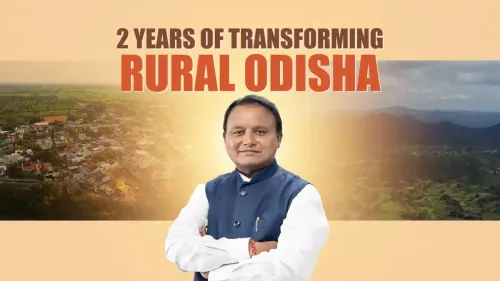
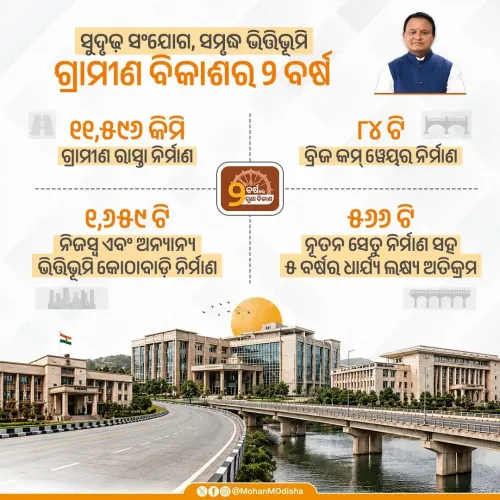
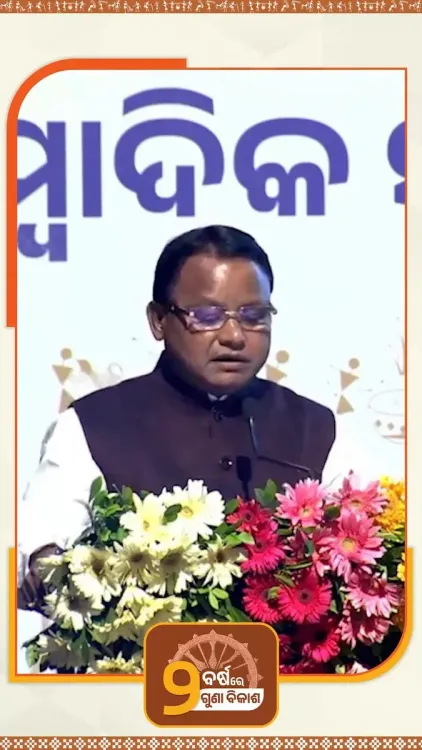
Odisha Chief Minister Mohan Charan Majhi on June 12, 2026 pledged rapid delivery of electricity, clean water, and all-weather roads to every village in the state through Mission Power, marking two years of his BJP-led government.
Key Takeaways
Mohan Charan Majhi reaffirmed the Odisha government's commitment to universal rural basic infrastructure on June 12, 2026 .
The state initiative Mission Power is the stated vehicle for delivering electricity, clean drinking water, and all-weather roads to every village.
The post coincides with the two-year milestone of the BJP-led government in Odisha, which came to power after the 2024 assembly elections .
The three infrastructure pillars align with central schemes: Saubhagya (electricity), Jal Jeevan Mission (water), and PMGSY (roads).
No specific coverage statistics or completion timelines were cited in the Chief Minister's post.
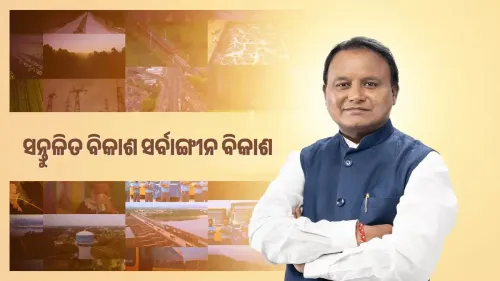
Odisha Chief Minister Mohan Charan Majhi on Friday, June 12, 2026, reaffirmed his government's commitment to delivering electricity, clean drinking water, and all-weather road connectivity to every village in the state, citing Mission Power as the vehicle for accelerating this effort.
Posting in Odia on X, the Chief Minister wrote: 'ବିକାଶର ମୂଳଦୁଆର ହେଉଛି ମୌଳିକ ସୁବିଧା' — 'Basic amenities are the foundation of development' — and added that work is advancing rapidly to ensure these three essentials reach each of Odisha's villages through the state-run initiative.
Context
Mohan Charan Majhi took charge as Odisha's Chief Minister after the Bharatiya Janata Party won the 2024 state assembly elections, ending more than two decades of Biju Janata Dal rule. The new government inherited a state where rural infrastructure gaps — unelectrified hamlets, households without piped water, and villages without motorable roads — remained a visible policy challenge. The post was tagged with the hashtags #2YearsofLokankaSarakar and #BikasharaDharaOdishaSara, marking what appears to be a two-year governance milestone communication.
Policy Backdrop
The three pillars named by the Chief Minister — power, water, and roads — align directly with three long-running central schemes. The Saubhagya scheme, launched nationally in 2017, targeted last-mile electricity connections to unelectrified households. The Jal Jeevan Mission, announced in 2019, aims to deliver piped drinking water to every rural household across India. Pradhan Mantri Gram Sadak Yojana, initiated in 2000, focuses on constructing all-weather roads to unconnected rural habitations.
The state-level Mission Power initiative, as referenced by the Chief Minister, appears to be Odisha's own programmatic framework layered on top of these central schemes to coordinate and accelerate village-level coverage. The post does not provide specific coverage figures or timelines for Mission Power's targets.
Stakeholders and Impact
The primary beneficiaries of this infrastructure push are rural households and village communities across Odisha, particularly in remote and tribal-dominated districts where connectivity has historically lagged. Reliable electricity enables productive hours beyond daylight, supports cold chains for agriculture, and powers schools and health centres. Clean piped water reduces the burden — disproportionately carried by women — of fetching water from distant sources.
All-weather road connectivity is widely regarded as the single most transformative rural infrastructure investment, unlocking access to markets, hospitals, and educational institutions for communities that are otherwise cut off during monsoon months. Together, the three components represent the baseline 'infrastructure floor' that development economists identify as a prerequisite for sustained rural economic growth.
What's Next
Observers will watch for periodic progress disclosures on village-level coverage targets under Mission Power and whether the Odisha state budget includes supplementary provisions for these three sectors in the next fiscal exercise. The two-year milestone framing of this post suggests the government is building a narrative around delivery, which typically precedes more detailed data releases or programme reviews. Any verified coverage statistics will provide a clearer picture of how far the state has moved since 2024 toward universal rural basic services.
Point of View
Water, roads), the Chief Minister sidesteps ideological framing and speaks directly to voter expectations. The invocation of Mission Power as a state-branded initiative, layered over existing central schemes, is a pattern seen across BJP-governed states: it allows the state government to claim ownership of outcomes while drawing on central funding. The absence of specific numbers in the post leaves room for a more data-heavy follow-up, likely timed to a formal programme review or budget session.
NationPress
25 Sept 2026
Frequently Asked Questions
What is Mission Power in Odisha?
Mission Power is an Odisha state government initiative aimed at ensuring electricity, clean drinking water, and all-weather road connectivity reach every village in the state. Chief Minister Mohan Charan Majhi referenced it on June 12, 2026 as the framework driving rapid rural infrastructure delivery.
When did Mohan Charan Majhi become Chief Minister of Odisha?
Mohan Charan Majhi became Chief Minister of Odisha after the BJP won the 2024 state assembly elections, ending more than two decades of Biju Janata Dal rule in the state.
What central schemes support rural infrastructure in Odisha?
Three major central schemes underpin rural infrastructure: Saubhagya (last-mile electricity connections, launched 2017), Jal Jeevan Mission (piped drinking water to rural households, announced 2019), and Pradhan Mantri Gram Sadak Yojana (all-weather rural roads, initiated 2000).
What does #2YearsofLokankaSarakar mean?
The hashtag translates roughly to 'two years of the people's government' in Odia, and was used by CM Majhi's post to mark the second anniversary of the BJP-led government in Odisha that came to power after the 2024 elections.
Which villages in Odisha lack basic infrastructure?
Remote and tribal-dominated districts in Odisha have historically faced the largest gaps in electricity, piped water, and road connectivity. The state government has not released specific village-level coverage data alongside this announcement.