CM Mann Announces 40-km Home Posting Policy for Punjab Staff
Synopsis
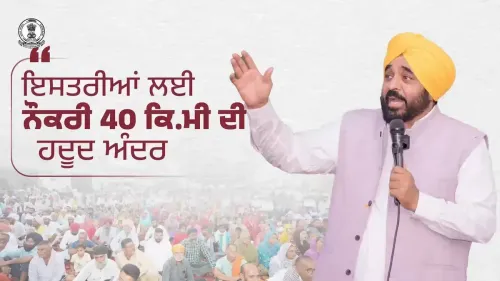
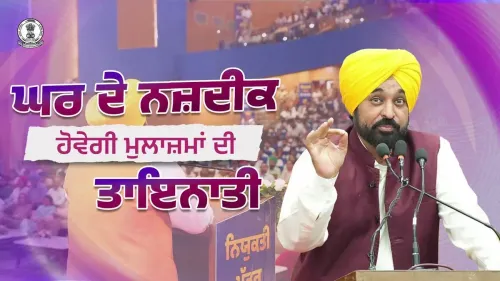
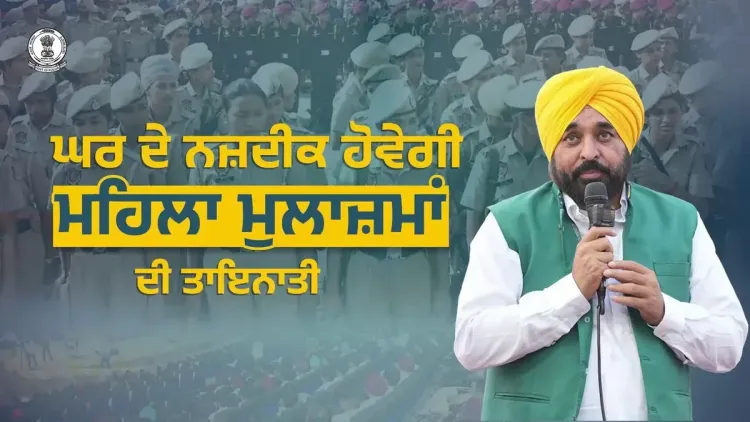
Chief Minister Bhagwant Mann announced at an appointment-letter ceremony on 26 June 2026 that Punjab will endeavour to post C and D grade female employees, staff nurses, teachers, and police personnel within 40 kilometres of their homes after their probation period ends.
Key Takeaways
CM Bhagwant Mann made the announcement during an appointment-letter ceremony on 26 June 2026 .
Employees will be posted within a 40-kilometre radius of their homes after completing their probation period.
Beneficiary categories include C and D grade female employees , staff nurses , teachers , and Punjab Police personnel.
The Mann government has run large-scale recruitment drives across education, health and police since March 2022 .
Similar distance-based posting policies exist in Haryana , Rajasthan , and Maharashtra .
A formal notification from the Punjab Civil Services Board is awaited to make the commitment binding.
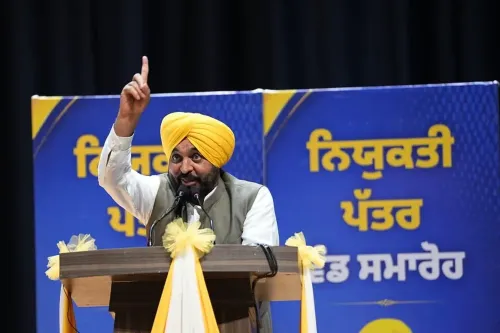
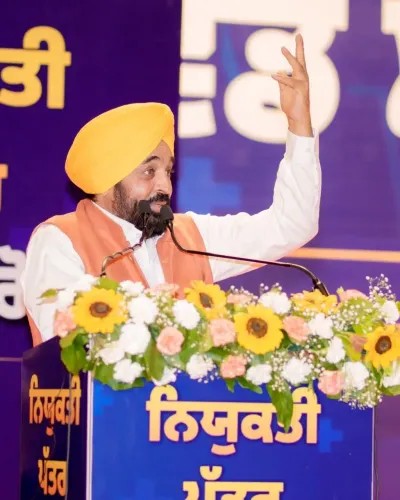
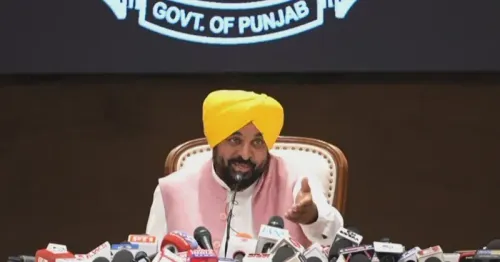
The Chief Minister's Office of Punjab announced on Friday, 26 June 2026 that Chief Minister Bhagwant Mann has declared a new posting preference policy for government employees, promising to deploy them within 40 kilometres of their homes after completion of their probation period. The announcement was made during an appointment-letter ceremony where Mann addressed newly recruited staff directly.
Context
Speaking at the ceremony, CM Mann stated that the Punjab Government is 'ਆਪਣੇ ਮੁਲਾਜ਼ਮਾਂ ਦੀਆਂ ਜਾਇਜ਼ ਮੰਗਾਂ ਅਤੇ ਸਹੂਲਤਾਂ ਪ੍ਰਤੀ ਪੂਰੀ ਤਰ੍ਹਾਂ ਸੰਵੇਦਨਸ਼ੀਲ ਹੈ' ('fully sensitive to the legitimate demands and welfare of its employees'). He announced that efforts would be made to post employees from several categories within a 40-kilometre radius of their homes once their probation period ends.
The categories covered under this commitment include C and D grade female employees, staff nurses, teachers, and Punjab Police personnel — all frontline and essential-service workers who have historically faced hardship due to distant postings.
Policy Backdrop
The Mann government, in office since March 2022, has pursued large-scale recruitment drives across the education, health, and police departments to fill long-pending vacancies. This home-radius posting policy is positioned as a follow-through measure — ensuring that newly recruited employees are not immediately burdened by distant deployments.
Distance-based posting preferences for women and frontline workers are not new to Indian governance. States including Haryana, Rajasthan, and Maharashtra have issued similar administrative guidelines over the past decade, citing employee retention and safety as primary rationale. Punjab's move aligns with this broader national pattern while extending the benefit explicitly to police personnel alongside traditional beneficiary groups.
Stakeholders and Impact
The policy directly benefits C and D grade female government employees — the largest and most vulnerable segment of the state workforce — for whom distant postings have long been a source of attrition and safety concern. Staff nurses and teachers, both in acute supply across rural Punjab, stand to see improved morale and retention if postings remain close to home.
Punjab Police personnel are a notable inclusion, given the force's operational demands and the personal security considerations that accompany policing roles. Employee associations across these categories are expected to assess how the commitment translates into formal transfer orders and whether exceptions will be defined.
What's Next
The announcement is currently a policy commitment made from a public platform; a formal notification from the Punjab Civil Services Board or relevant department heads would be required to make it binding. Observers will watch for gazette notifications, revised transfer guidelines, and the mechanism by which employees can invoke the 40-kilometre preference.
If implemented uniformly, the policy could influence how Punjab structures its next round of postings across tens of thousands of government positions, setting a precedent that employee welfare and operational efficiency need not be mutually exclusive goals.
Point of View
Directly addressing a long-standing grievance among the state's large frontline workforce ahead of future electoral cycles. By explicitly naming police personnel alongside the more traditional female-employee and nursing categories, the government signals a broader conception of employee welfare than its predecessors. However, the gap between a platform announcement and a gazette-notified transfer policy is where such commitments have historically stalled in Indian states. The credibility of this pledge will hinge on how quickly the Punjab Civil Services Board converts it into enforceable rules with clear exception criteria.
NationPress
26 Jun 2026
Frequently Asked Questions
What is Punjab's 40-km home posting policy announced by CM Mann?
Chief Minister Bhagwant Mann announced that the Punjab government will endeavour to post C and D grade female employees, staff nurses, teachers, and Punjab Police personnel within 40 kilometres of their homes after they complete their probation period.
Who benefits from Punjab's new home-radius posting announcement?
The announced policy covers C and D grade female government employees, staff nurses, teachers, and Punjab Police personnel — all categories that have historically faced hardship due to postings far from home.
When did CM Bhagwant Mann make this posting policy announcement?
The announcement was made on Friday, 26 June 2026, during an appointment-letter ceremony where Mann addressed newly recruited government employees.
Is the Punjab 40-km posting policy already in effect?
As of the announcement, it is a policy commitment made publicly by the Chief Minister. A formal notification from the Punjab Civil Services Board or relevant department is required to make it legally binding.
Do other Indian states have similar home-district posting policies?
Yes. States including Haryana, Rajasthan, and Maharashtra have issued distance-based posting preference guidelines for women and frontline workers over the past decade, and Punjab's move follows this broader national pattern.