CM Bhagwant Mann Urges Sarpanches to Lead Punjab Village Development
Synopsis
Chief Minister Bhagwant Mann met Sarpanches and Panchs from Rampura Phul and Talwandi Sabo on June 25, 2026, pledging uninterrupted state funds for village development and urging Panchayats to prioritise education, rural infrastructure, and inclusive, sustainable growth across Punjab.
Key Takeaways
CM Bhagwant Mann met Sarpanches and Panchs from Rampura Phul and Talwandi Sabo in Bathinda district on June 25, 2026 .
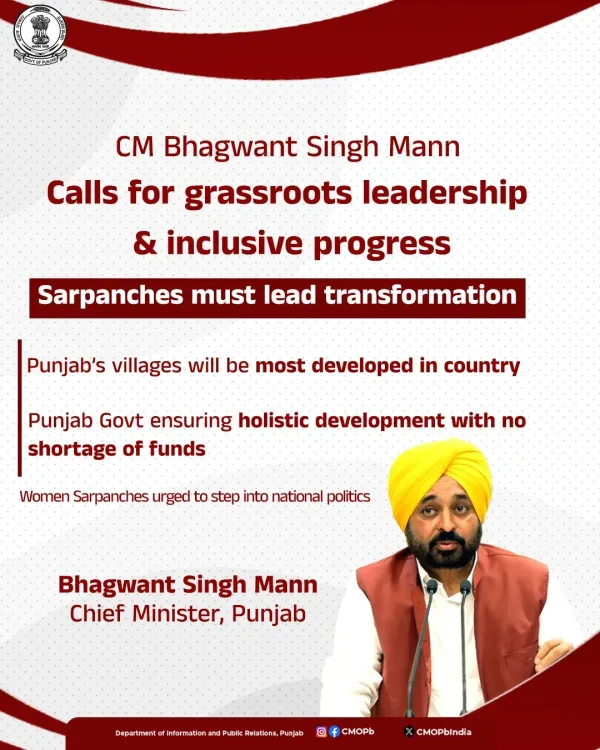
Mann declared that Punjab's villages must become the most developed in India to realise the state's broader development vision.
The Chief Minister pledged that the Punjab Government will never allow a shortage of funds for village development.
Panchayats were urged to channel funds toward education, rural infrastructure, and sustainable development .
The outreach aligns with the 73rd Constitutional Amendment framework empowering Panchayati Raj institutions for local governance.
Future state budget sessions and panchayat performance reports will be key indicators of follow-through on these commitments.
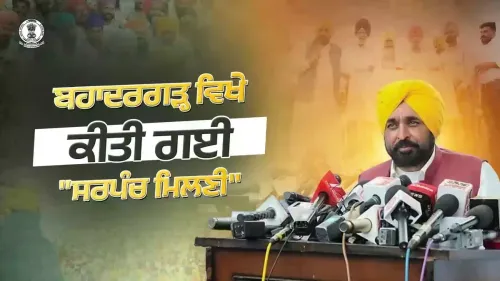
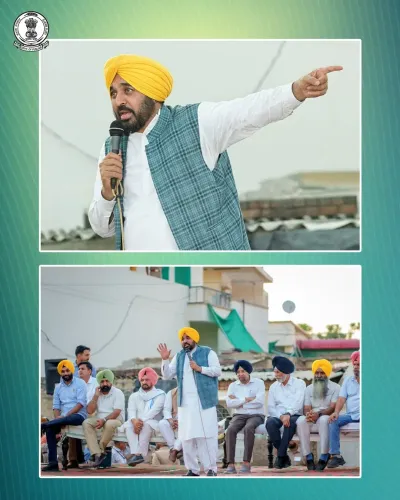
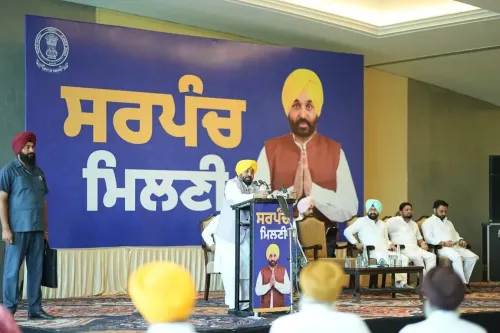
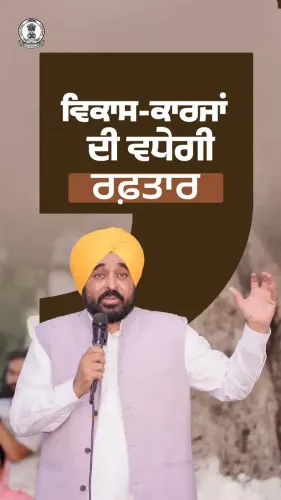
Chief Minister Bhagwant Mann, through the Chief Minister's Office of Punjab, on Thursday, June 25, 2026, called upon Sarpanches and Panchs from Rampura Phul and Talwandi Sabo to spearhead the transformation of rural Punjab, asserting that the state's villages must emerge as the most developed in the country.
Context
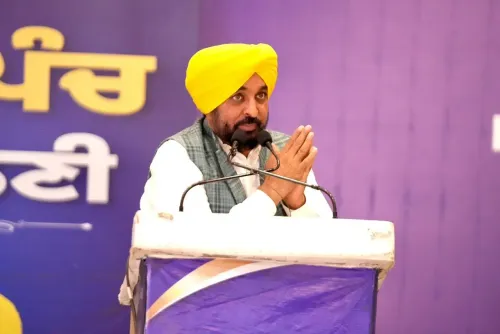
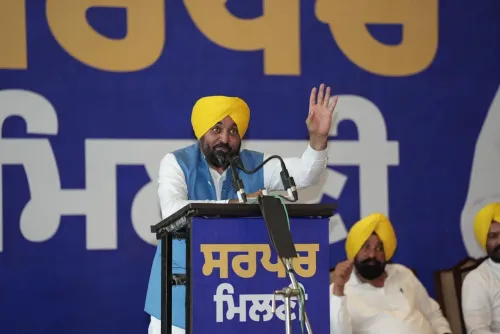
At the interaction — referred to as a Sarpanch Milni — CM Mann reiterated that the Punjab Government is 'fully committed to the holistic development of villages' and will 'never allow any shortage of funds' for this purpose. He urged Panchayats to utilise public funds in a manner that benefits every section of society. The meeting brought together elected local representatives from two constituencies in Bathinda district, a region that carries significant agricultural and political weight in the state.
The Chief Minister framed village development as the cornerstone of his broader ambition: making Punjab the nation's most developed state. He specifically highlighted education, rural infrastructure, and sustainable development as the three priority areas for Panchayat spending.
Policy Backdrop
The constitutional foundation for this push lies in the 73rd Constitutional Amendment of 1992, which formally established Panchayati Raj institutions and vested Sarpanches with authority over local rural governance across India. That framework created the structural channel through which state governments can direct village-level development expenditure.
Since winning the 2022 Punjab assembly elections, the Aam Aadmi Party government under Mann has consistently announced priorities centred on village-level education, road connectivity, and sustainable development projects. The Sarpanch Milni format — direct dialogue between the Chief Minister and elected Panchayat representatives — has been used as a recurring mechanism to align local bodies with state development goals.
Stakeholders and Impact
The most immediate stakeholders are the Sarpanches and Panchs themselves, who hold the authority to sanction and execute development works at the gram panchayat level. For rural communities in Rampura Phul and Talwandi Sabo, the Chief Minister's assurance of uninterrupted funds signals continued state backing for local infrastructure projects.
The emphasis on 'every section of society' is a deliberate signal toward inclusive spending — ensuring that development funds do not disproportionately benefit any one community or interest group within a village. This framing aligns with the broader national decentralisation framework while addressing Punjab-specific goals of village modernisation.
What's Next
Upcoming state budget sessions and panchayat performance reviews will be the key tests of whether the commitments made at the Sarpanch Milni translate into measurable fund releases and completed projects in Bathinda district and beyond. Observers will watch whether similar outreach sessions are extended to other districts across Punjab, which would indicate a systematic statewide rollout rather than a localised engagement.
If the government follows through with dedicated allocations and transparent reporting on Panchayat fund utilisation, the initiative could serve as a model for other AAP-governed states seeking to operationalise their rural development agendas through elected local bodies.
Point of View
' the government is tying grassroots delivery to a state-wide identity proposition — a high-stakes promise that will be measured in roads, schools, and fund utilisation data. The focus on 'every section of society' is also a calibrated signal in a state where caste and community dynamics heavily shape how development benefits are perceived to flow. Whether the Sarpanch Milni format scales beyond Bathinda into a systematic statewide mechanism will determine if this is durable governance architecture or targeted political outreach.
NationPress
23 Sept 2026
Frequently Asked Questions
What did CM Bhagwant Mann tell Sarpanches at the Rampura Phul and Talwandi Sabo meeting?
CM Bhagwant Mann urged Sarpanches and Panchs to lead the transformation of rural Punjab, pledging that the state government will never allow a shortage of funds for village development and asking Panchayats to prioritise education, rural infrastructure, and sustainable development.
Where are Rampura Phul and Talwandi Sabo located?
Both Rampura Phul and Talwandi Sabo are towns and assembly constituencies in Bathinda district , Punjab.
What is a Sarpanch Milni?
A Sarpanch Milni is a direct interaction session between the Chief Minister and elected Sarpanches and Panchs — the heads and members of gram panchayats — used to align local bodies with state development priorities.
What is the constitutional basis for Panchayati Raj in India?
The 73rd Constitutional Amendment of 1992 formally established Panchayati Raj institutions across India, empowering elected Sarpanches to govern and execute development works at the village level.
What are Punjab government's priorities for village development?
The AAP-led Punjab government under CM Bhagwant Mann has prioritised education, rural infrastructure, and sustainable development as the three key areas for Panchayat fund utilisation since coming to power in 2022.