CM Bhagwant Mann Meets Sarpanches, Promises Direct Fund Transfers
Synopsis
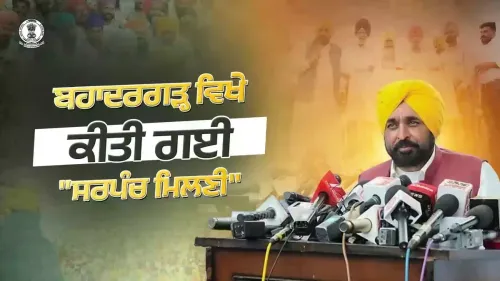
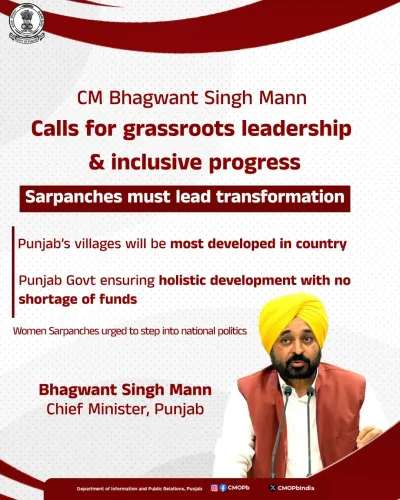
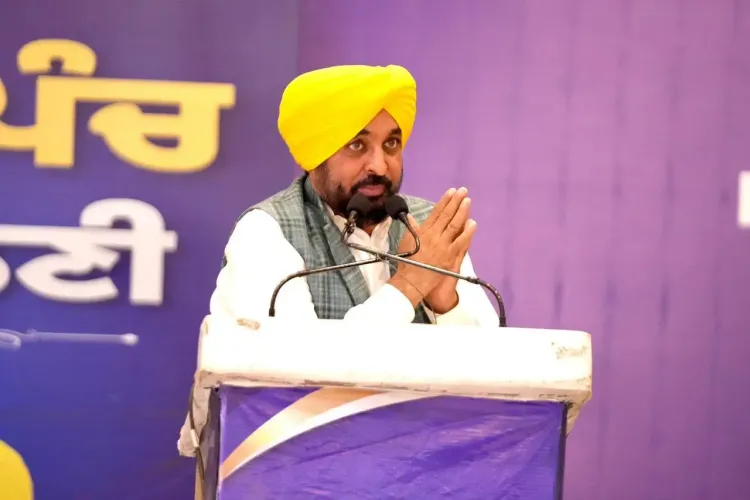
Punjab CM Bhagwant Mann held a 'Sarpanch Milni' at Bahadargarh, Patiala on June 26, 2026, announcing direct fund transfers to panchayat bank accounts and urging sarpanches to abandon factionalism and work without bias for village development.
Key Takeaways
Punjab CM Bhagwant Mann held a 'Sarpanch Milni' at Bahadargarh, Patiala on June 26, 2026 .
Development funds will now be transferred directly to panchayat bank accounts , removing the need for sarpanches to visit Chandigarh offices.
Mann urged sarpanches to abandon factional politics ( dharrebandiyan ) and work impartially for all village residents.
The government pledged no shortage of funds for village development works.
The move aligns with the 73rd Constitutional Amendment framework on panchayati raj devolution.
Implementation and audit mechanisms for direct transfers remain the critical next step to watch.
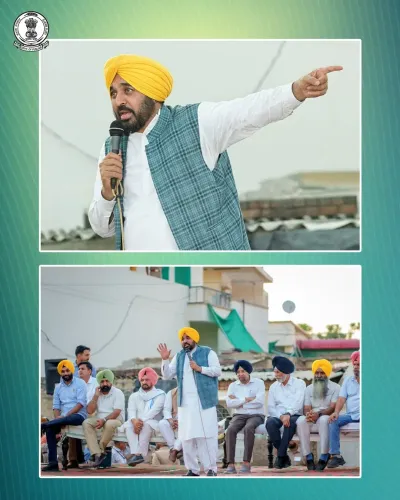
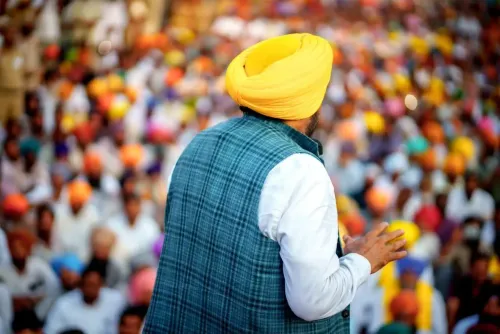
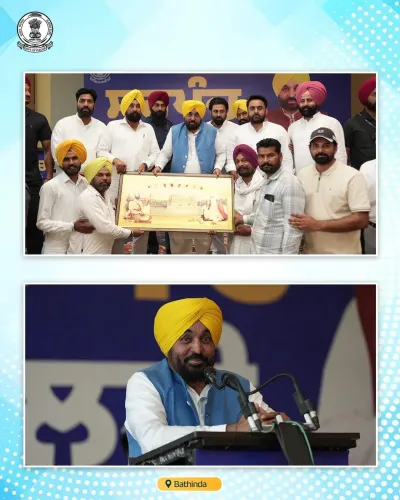
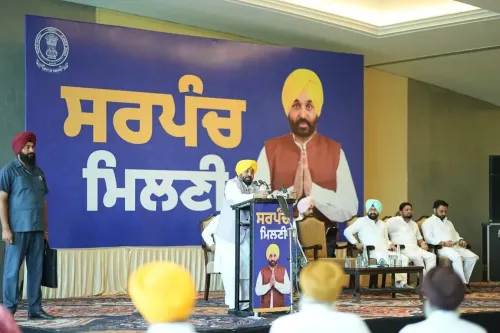
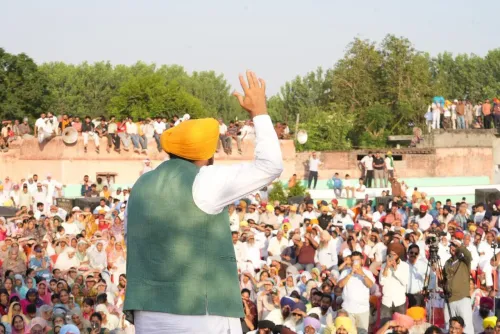
Punjab Chief Minister Bhagwant Mann on Friday, June 26, 2026, held a 'Sarpanch Milni' (sarpanch meet) at Bahadargarh in Patiala, engaging directly with village heads on rural development issues and announcing that funds will henceforth flow straight into panchayat bank accounts, eliminating the need for sarpanches to travel to Chandigarh offices.
Context
Posting in Punjabi on X, CM Mann described the outreach as a direct conversation — 'sidhi galbaat' — with sarpanches on village issues. He stated: 'Now there is no need to make rounds of Chandigarh offices for village works; funds will come directly into panchayat accounts.' The event at Bahadargarh, Patiala brought together elected village heads from across the region under the banner of the 'Sarpanch Milni' programme.
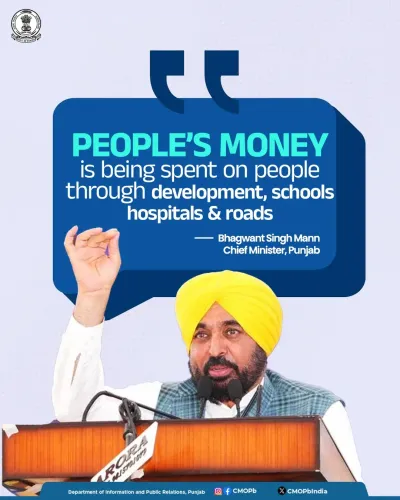
Mann also appealed to sarpanches to set aside factional politics — 'dharrebandiyan' — and work without bias, saying: 'My only request to sarpanches is to strengthen community bonds, leave factionalism behind, and work without any partiality.' He assured that the state government would ensure no shortage of funds for village development.
Policy Backdrop
The move to route development funds directly to panchayat bank accounts draws on the framework established by the 73rd Constitutional Amendment of 1992, which mandated devolution of powers and finances to three-tier panchayati raj institutions across India. Successive state governments have struggled with implementation, often leaving funds bottlenecked at district or block levels.
Since taking office in March 2022, the Aam Aadmi Party government in Punjab has positioned administrative decentralisation and anti-corruption measures as core governance priorities. Direct benefit transfers to local bodies are consistent with this broader push to reduce intermediary delays and improve accountability at the grassroots level.
Stakeholders and Impact
Punjab has thousands of gram panchayats, and their elected sarpanches are the primary interface between rural residents and state development programmes. Delays caused by repeated trips to Chandigarh for fund approvals have long been cited as a bottleneck for timely completion of village infrastructure works such as roads, drainage, and community halls.
If implemented as announced, direct transfers to panchayat accounts would give sarpanches faster access to resources and reduce dependence on district-level bureaucracy. Mann's appeal against factionalism also addresses a persistent challenge in rural Punjab, where caste and political affiliations have historically influenced the distribution of development works within villages.
What's Next
The key test will be in the operational follow-through: whether the state treasury and rural development departments establish a reliable mechanism for direct, timely fund transfers to individual panchayat accounts, and what audit or oversight framework accompanies it. The Punjab government's ability to demonstrate measurable improvement in village-level project completion will determine the political and administrative weight of this commitment.
If the direct-transfer model gains traction, it could serve as a template for other AAP-governed or aspirant states seeking to demonstrate grassroots governance credentials ahead of future electoral cycles.
Point of View
Designed to project accessibility and bypass the perception of a distant, Chandigarh-centric administration. Announcing direct fund transfers to panchayat accounts addresses a structural grievance that predates the current government, but the credibility of the pledge rests entirely on operational follow-through. Mann's simultaneous appeal against factionalism signals an awareness that decentralised funds can be captured by local power blocs — a risk that audit frameworks must address. Politically, this positions the Punjab government as a champion of grassroots governance ahead of any future electoral test.
NationPress
25 Sept 2026
Frequently Asked Questions
What is the 'Sarpanch Milni' programme in Punjab?
'Sarpanch Milni' is a direct outreach initiative by the Punjab government where CM Bhagwant Mann meets elected village heads (sarpanches) to discuss rural development issues and grievances face to face, bypassing formal bureaucratic channels.
Will Punjab sarpanches no longer need to visit Chandigarh for village funds?
CM Bhagwant Mann announced on June 26, 2026, that development funds will be transferred directly to panchayat bank accounts, removing the need for sarpanches to make repeated trips to Chandigarh offices for approvals.
What did Bhagwant Mann say about factionalism in villages?
Mann urged sarpanches to leave behind factionalism ( dharrebandiyan ) and strengthen community bonds, asking them to work without partiality or bias toward any group within the village.
What is the legal basis for direct fund transfers to panchayats in India?
The 73rd Constitutional Amendment of 1992 mandates devolution of powers and finances to panchayati raj institutions, providing the constitutional framework under which states like Punjab can route development funds directly to gram panchayat accounts.
Where was the Bhagwant Mann sarpanch meeting held?
The meeting was held at Bahadargarh in Patiala district , Punjab, on June 26, 2026 .