CM Bhagwant Mann Meets Sarpanches of Rampura Phul, Talwandi Sabo
Synopsis
Punjab Chief Minister Bhagwant Mann met sarpanches and community leaders from Rampura Phul and Talwandi Sabo on June 23, 2026, discussing merit-based recruitment, education improvements, rural development, and canal water supply for farmers in Bathinda district.
Key Takeaways
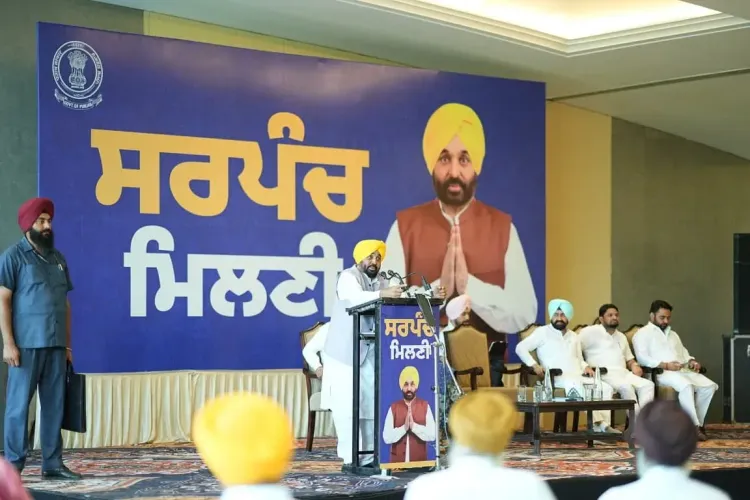
Punjab CM Bhagwant Mann held a meeting with sarpanches and community leaders from Rampura Phul and Talwandi Sabo in Bathinda district on June 23, 2026 .
Participants welcomed the state government's policy of merit-based recruitment to government jobs, a flagship AAP commitment since 2022.
Improvements in government school education were discussed and appreciated by the attendees.
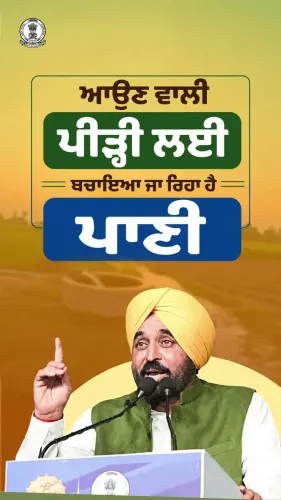
Canal water supply for farmers and broader rural development were key agenda items at the meeting.
Mann reaffirmed that Punjab's development journey would continue, signalling ongoing rural outreach as a governance priority.
Both constituencies lie in Bathinda district , a major agricultural belt where irrigation access and employment remain critical issues.
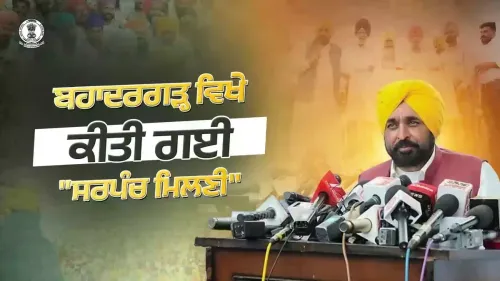
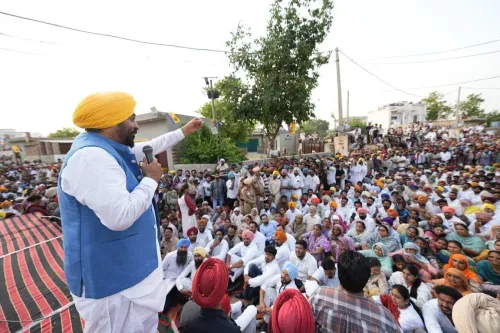
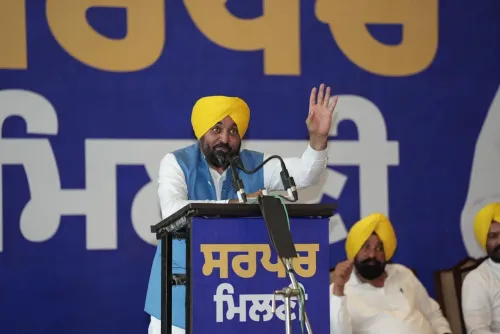
Punjab Chief Minister Bhagwant Mann on Tuesday, June 23, 2026, held a meeting with sarpanches and community leaders from Rampura Phul and Talwandi Sabo — both towns in Bathinda district — to discuss the state government's governance achievements and take stock of local development priorities.
Posting in Punjabi on X, Mann said the meeting covered the government's achievements, with participants welcoming merit-based job recruitment and improvements in education. He wrote: 'ਨਿਰੋਲ ਮੈਰਿਟ 'ਤੇ ਨੌਕਰੀਆਂ ਅਤੇ ਸਿੱਖਿਆ ਨੂੰ ਬਿਹਤਰ ਬਣਾਉਣ ਦਾ ਸਾਰਿਆਂ ਨੇ ਸਵਾਗਤ ਕੀਤਾ' ('Everyone welcomed jobs on pure merit and improvements in education'). The meeting also addressed rural development and ensuring canal water supply for farmers, with Mann affirming that Punjab's development journey would continue uninterrupted.
Context
The two constituencies — Rampura Phul and Talwandi Sabo — lie in Bathinda district, one of Punjab's most agriculturally significant regions. Talwandi Sabo is also home to the historic Gurdwara Damdama Sahib, giving the area cultural and religious weight beyond its farming economy. Sarpanches, as elected heads of gram panchayats, are the first point of contact between the state and rural communities, making such outreach meetings a direct channel for gauging ground-level sentiment.
The Aam Aadmi Party government, which came to power in Punjab in March 2022 with a sweeping majority, has made regular engagement with village-level leadership a visible part of its governance style. Such meetings serve both as a feedback mechanism and a platform for communicating policy outcomes to rural stakeholders.
Policy Backdrop
Merit-based recruitment to government jobs has been a cornerstone of the AAP government's pitch since its 2022 election manifesto, framed as a direct counter to what the party described as corruption-ridden hiring under previous administrations. The state has since issued multiple recruitment orders through the Punjab Public Service Commission and other bodies emphasising transparent, examination-driven selection.
On education, the government has drawn from the Delhi model of upgrading government school infrastructure and investing in teacher training. In the agriculture sector, canal water equity has remained a persistent challenge across Punjab, with the state pursuing irrigation management reforms to ensure equitable distribution to farmers, particularly in districts like Bathinda that depend heavily on canal networks alongside groundwater.
Stakeholders and Impact
The communities most directly affected by the issues discussed are Punjab's rural farmers, who rely on canal water for irrigation, and young job aspirants in semi-urban and rural areas who stand to benefit from transparent government recruitment. Sarpanches present at the meeting act as intermediaries who can relay government commitments — and shortfalls — back to their villages.
For students in the Bathinda belt, improvements to government school quality carry significant weight, as private schooling costs remain prohibitive for many rural families. The dual focus on livelihoods — through employment and water access — reflects the ground-level priorities that dominate political conversations in this part of Punjab.
What's Next
Attention will now turn to whether the commitments discussed in the meeting translate into measurable action — specifically, progress on canal water supply projects in the Bathinda region and verifiable improvements in school infrastructure. Any subsequent state budget allocations or panchayat-level follow-up mechanisms tied to these discussions will be closely watched. Mann's closing remark — 'ਪੰਜਾਬ ਦੇ ਵਿਕਾਸ ਦਾ ਇਹ ਸਫ਼ਰ ਲਗਾਤਾਰ ਜਾਰੀ ਰਹੇਗਾ' ('This journey of Punjab's development will continue uninterrupted') — signals that the government intends to keep rural outreach and these policy themes at the centre of its political messaging ahead of future electoral cycles.
Point of View
Mann is weaving together the aspirational and the agrarian, two distinct but overlapping voter bases in Bathinda. The timing, mid-term in the electoral cycle, suggests the government is beginning to build a narrative of delivery ahead of the next assembly election. Whether rural communities in Rampura Phul and Talwandi Sabo perceive tangible change on the ground will ultimately determine how durable that narrative proves.
NationPress
22 Sept 2026
Frequently Asked Questions
Why did Bhagwant Mann meet sarpanches from Rampura Phul and Talwandi Sabo?
Chief Minister Bhagwant Mann met sarpanches and community leaders from Rampura Phul and Talwandi Sabo on June 23, 2026, to discuss the Punjab government's achievements in merit-based recruitment, education, rural development, and canal water supply for farmers.
Where are Rampura Phul and Talwandi Sabo located?
Both Rampura Phul and Talwandi Sabo are towns and assembly constituencies in Bathinda district, Punjab. Talwandi Sabo is also known for the historic Gurdwara Damdama Sahib.
What is AAP's policy on government job recruitment in Punjab?
The Aam Aadmi Party government in Punjab has emphasised strictly merit-based, examination-driven recruitment to government jobs since coming to power in March 2022, positioning it as a reform against corruption in hiring.
What is the significance of canal water supply for Punjab farmers?
Canal water is a critical irrigation source for farmers in districts like Bathinda. Ensuring equitable canal water distribution is a longstanding challenge in Punjab, and the state government has pursued irrigation management reforms to address it.
How does Bhagwant Mann's government engage with rural Punjab?
The AAP government under Bhagwant Mann regularly holds meetings with sarpanches and village-level leaders as a direct outreach mechanism, using these interactions to communicate governance achievements and gather feedback from rural communities.