CM Bhagwant Mann Thanks Sohana Voters, Vows Direct Governance
Synopsis
Punjab Chief Minister Bhagwant Mann on 14 June 2026 thanked voters of Sohana village in Mohali, reaffirming AAP's pledge to deliver administration directly to citizens and sweep away decades of corrupt politics under the 'Tuhaddi Sarkar' banner.
Key Takeaways
Punjab Chief Minister Bhagwant Mann posted on X on 14 June 2026 thanking voters of village Sohana, Mohali for their 'immense love'.
Mann invoked AAP National Convenor Arvind Kejriwal's pro-people philosophy as the guiding principle of his administration.
The government described itself as 'Tuhaddi Sarkar' ['Your Government'], pledging to place Punjab's golden future in the hands of ordinary citizens.
AAP won 92 seats in the February 2022 Punjab assembly elections , ending decades of alternating Congress and Akali Dal–BJP rule.
The outreach in Sohana is part of AAP's dual-track strategy combining central leadership messaging with grassroots contact by ministers and MLAs at the village level.
Upcoming municipal and panchayat elections will test whether the party's ground-level engagement is converting into lasting voter trust.
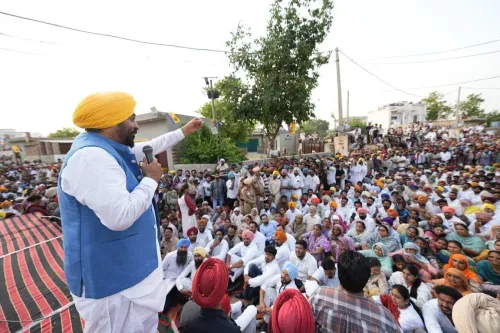
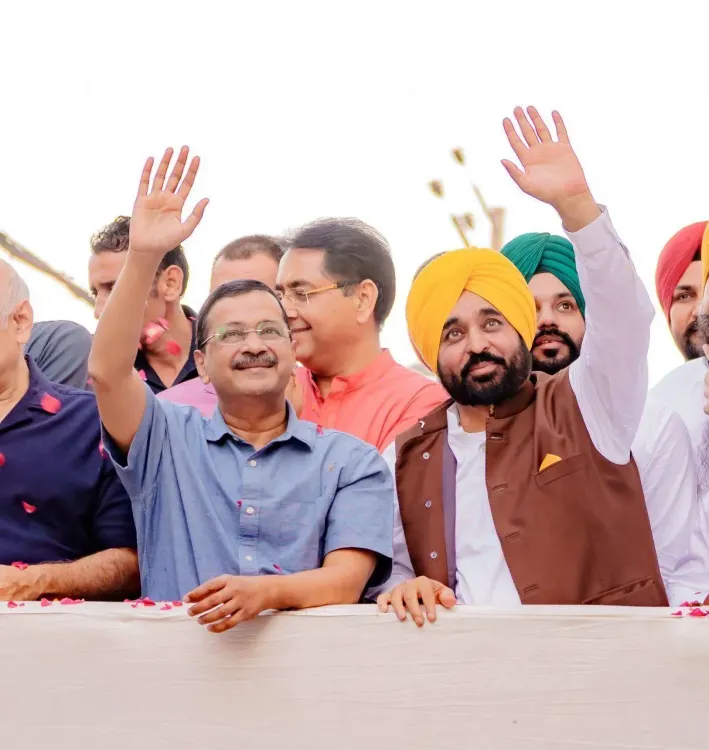
Punjab Chief Minister Bhagwant Mann on Sunday, 14 June 2026, thanked voters of village Sohana in Mohali district for their 'immense love', reaffirming his government's commitment to delivering administration directly to ordinary citizens and presenting what he called a model of honesty against decades of corrupt politics.
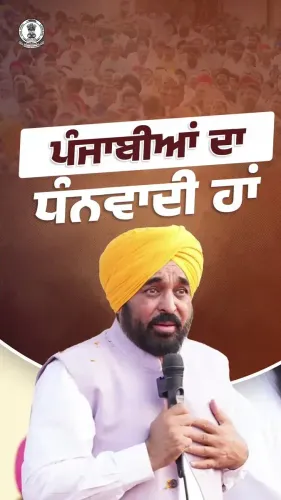
Posting in Punjabi on X, Mann wrote: 'ਪਿੰਡ ਸੋਹਾਣਾ (ਮੋਹਾਲੀ) ਦੇ ਸੂਝਵਾਨ ਵੋਟਰਾਂ ਵੱਲੋਂ ਮਿਲੇ ਇਸ ਅਥਾਹ ਪਿਆਰ ਦਾ ਦਿਲੋਂ ਧੰਨਵਾਦ' ['Heartfelt thanks for the immense love received from the wise voters of village Sohana, Mohali']. He invoked the philosophy of Aam Aadmi Party National Convenor Arvind Kejriwal, saying the government was working alongside ground-level leaders to take administration directly to the people.
Context
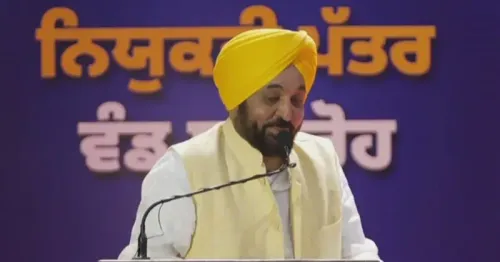
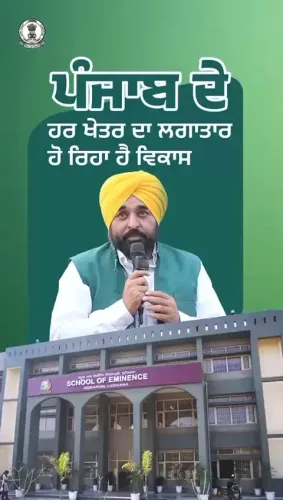
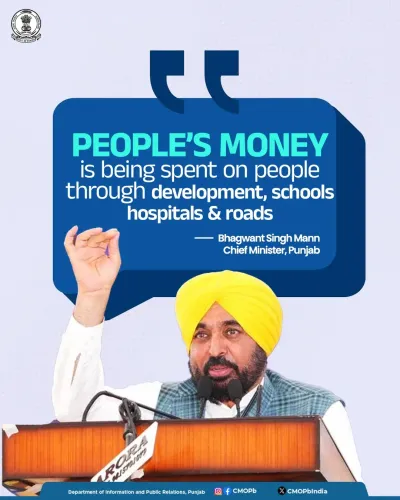
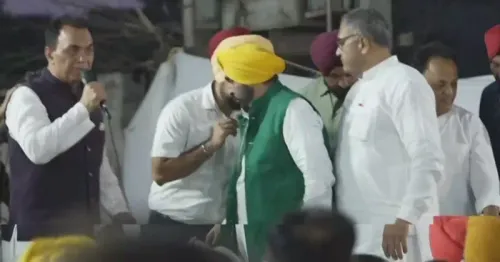
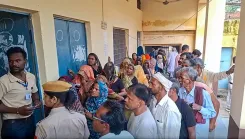
The post accompanied four images from what appears to be a public outreach event in Sohana, a village in Mohali, one of Punjab's fast-growing districts bordering Chandigarh. Mann used the occasion to draw a sharp contrast with what he termed 'traditional governments' that 'only looted Punjab' over several decades. His language — invoking the AAP broom symbol to 'sweep away decades of murky politics' — is consistent with the party's foundational anti-corruption messaging.
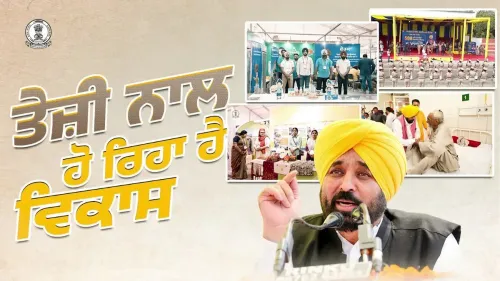
The Chief Minister described his government as 'Tuhaddi Sarkar' ['Your Government'], a phrase that has become a recurring motif in AAP Punjab's public communication, signalling citizen ownership of governance.
Policy Backdrop
AAP swept the February 2022 Punjab assembly elections, winning 92 seats and ending decades of alternating rule between the Congress and the Shiromani Akali Dal–BJP combine. The party campaigned on an anti-corruption platform symbolised by the broom, promising to replicate in Punjab the direct-benefit model pioneered by its Delhi government since 2015 — including free power, free water, and neighbourhood health clinics known as Mohalla Clinics.
Since taking office, the AAP administration in Punjab has consistently paired central messaging from Kejriwal — who remains the party's national face despite no longer being Delhi Chief Minister — with grassroots outreach by ministers and MLAs at the village level. This dual-track strategy is designed to sustain the connect with rural voters who delivered the party its historic mandate.
Stakeholders and Impact
The immediate beneficiaries highlighted in Mann's post are residents of Sohana village and, by extension, rural Punjab's common citizens, who the government says are now receiving services and administrative access that were previously unavailable to them. The outreach signals continued attention to Mohali district, an area that blends urban expansion with traditional village communities.
For the Aam Aadmi Party as an organisation, events like these serve a dual purpose: reinforcing governance credibility ahead of any future electoral cycle and demonstrating that the party's pro-people ideology, as shaped by Kejriwal, is being implemented at the ground level across Punjab's villages.
What's Next
Attention will now turn to the actual rollout of direct-benefit schemes in rural Punjab, where delivery gaps between policy announcements and on-the-ground implementation have been a recurring point of scrutiny. Performance in upcoming municipal or panchayat elections will serve as a more concrete test of whether the grassroots outreach being conducted by Mann and his team is translating into durable public trust beyond symbolic visits.
For now, Mann's message frames Punjab's golden future as one 'being placed in the hands of ordinary citizens' — a promise his government will be measured against as its tenure progresses.
Point of View
And governance as a citizen-owned enterprise. By explicitly naming Kejriwal as the ideological anchor, Mann is also signalling party unity at a time when AAP's national standing has faced pressure. The 'Tuhaddi Sarkar' framing is a calculated attempt to keep rural Punjab emotionally invested in the AAP project well beyond the 2022 mandate. Whether this messaging sustains itself will depend on visible delivery of services, not just the vocabulary of accountability.
NationPress
15 Sept 2026
Frequently Asked Questions
Why did Bhagwant Mann visit Sohana village in Mohali?
Punjab Chief Minister Bhagwant Mann conducted a public outreach event in Sohana village, Mohali, as part of AAP's grassroots strategy to take administration directly to citizens at the village level.
What is 'Tuhaddi Sarkar' in Punjab?
'Tuhaddi Sarkar' means 'Your Government' in Punjabi and is a recurring phrase used by the AAP Punjab government to signal that power and governance belong to ordinary citizens rather than political elites.
How many seats did AAP win in the 2022 Punjab elections?
AAP won 92 seats in the February 2022 Punjab assembly elections, its biggest-ever state mandate, ending decades of alternating Congress and Shiromani Akali Dal–BJP rule.
What is Arvind Kejriwal's role in Punjab governance?
Arvind Kejriwal is the National Convenor of the Aam Aadmi Party. Though he holds no official Punjab government position, his pro-people governance philosophy is cited by CM Bhagwant Mann as the guiding ideology behind Punjab AAP's policies.
What is the AAP governance model for Punjab?
AAP's Punjab model is based on direct delivery of public services to citizens, drawing on the party's Delhi experience of free power, free water, and Mohalla Clinics, combined with grassroots outreach by ministers and MLAs in villages across the state.