CM Mann forms high-level panel to restore Buddha Nullah
Synopsis
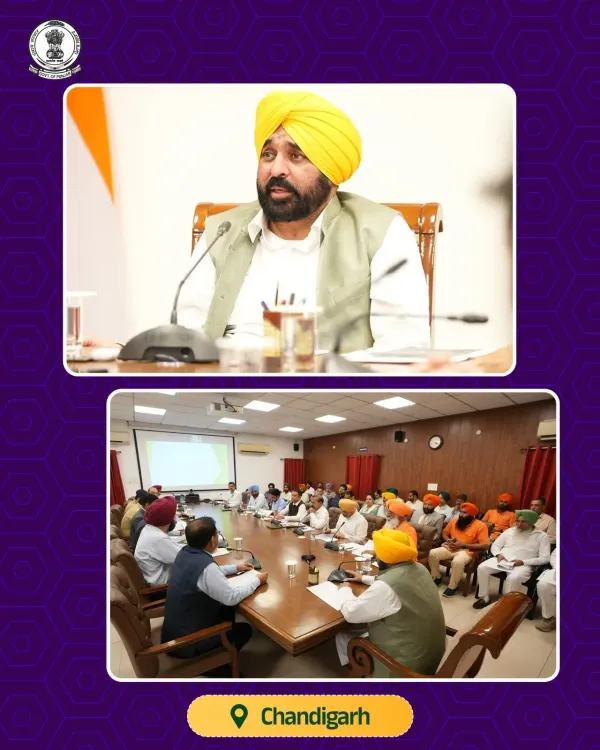
Punjab CM Bhagwant Singh Mann has formed a high-level committee chaired by environmentalist and Rajya Sabha MP Sant Balbir Singh Seechewal to restore the historically polluted Buddha Nullah in Ludhiana, with a 15-day deadline to submit a comprehensive restoration report.
Key Takeaways
CM Bhagwant Singh Mann announced a special high-level committee on 1 November 2026 to address the pollution crisis of the Buddha Nullah in Ludhiana.
The committee is chaired by Sant Balbir Singh Seechewal , a prominent environmentalist and Rajya Sabha member with prior river-revival experience.
The committee has been directed to submit a comprehensive restoration report within 15 days .
The Buddha Nullah carries industrial effluents from Ludhiana into the Sutlej River , affecting downstream agriculture and urban communities.
Seechewal previously led the successful rejuvenation of the Kali Bein rivulet , lending technical and moral credibility to the appointment.
The 15-day deadline creates a public accountability window; the key test will be government follow-through on funding and industrial enforcement after the report is submitted.
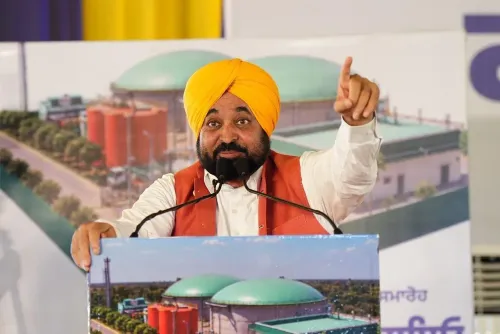
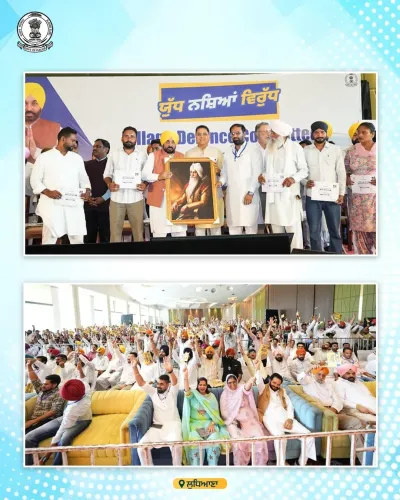
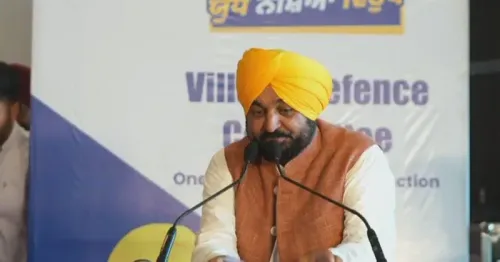
One of Punjab's most battered waterways is finally getting a shot at redemption. The Chief Minister's Office of Punjab announced on Sunday, 1 November 2026 that Chief Minister Bhagwant Singh Mann has constituted a special high-level committee to address the long-pending pollution crisis of the Buddha Nullah in Ludhiana district — with a hard deadline of 15 days to submit a comprehensive restoration blueprint.
The man chosen to lead the mission
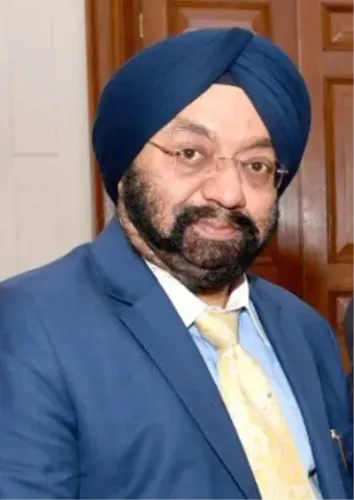
Heading the committee is Sant Balbir Singh Seechewal — environmentalist, Rajya Sabha member, and the man who once turned the choked Kali Bein rivulet into a living waterway using volunteer labour in the early 2000s. That earlier effort drew national attention and established Seechewal as the most credible river-revival voice in Punjab. Placing him at the helm is a deliberate signal: this is not a routine bureaucratic review, it is an assignment handed to someone with skin in the game.
The Chief Minister directed the committee to submit its report within 15 days so that, as the official statement put it, 'ਠੋਸ ਅਤੇ ਸਮਾਂਬੱਧ ਕਾਰਵਾਈ' — 'concrete and time-bound action' — can be ensured for restoring the Buddha Nullah to its historic original state.
Why Buddha Nullah has become Punjab's most urgent drain
The Buddha Nullah snakes through Ludhiana, Punjab's largest industrial city, carrying decades of untreated effluents — from dyeing units, electroplating workshops, and textile mills — before emptying into the Sutlej River. Ludhiana's industrial growth made it the commercial backbone of the state; it also made the Nullah the dumping ground of that prosperity. Residents living alongside it have long reported foul odour, contaminated groundwater, and skin ailments. The Sutlej, which millions of farmers downstream depend on for irrigation, bears the downstream cost.
The problem is not new. Multiple governments over multiple decades have announced clean-up drives. What makes this announcement structurally different — at least on paper — is the combination of a named expert chair with a proven track record and a publicly stated 15-day reporting window that creates accountability pressure from day one.
Punjab's pattern of expert-led interventions
The move fits a broader pattern under the Bhagwant Mann government of routing chronic environmental problems through specialist committees rather than leaving them solely with the state bureaucracy. Seechewal's Kali Bein model — community mobilisation, sediment removal, restoration of natural flow — is now being invoked for a far more complex, industrially polluted urban drain. Scaling that model to the Buddha Nullah, which flows through a densely populated city with active industrial discharge, will test both the committee's ambition and the government's follow-through on enforcement against polluting units.
The real watch-point is not the report — it is what comes after: the funding order, the industrial compliance timeline, and whether the government sustains political will once the announcement cycle moves on.
Point of View
The committee's true value will be measured against whether industrial discharge enforcement follows the restoration blueprint, or whether the Nullah becomes another footnote in Punjab's long list of announced clean-ups.
NationPress
1 Nov 2026
Frequently Asked Questions
What is Buddha Nullah and why is it important?
Buddha Nullah is a major drain running through Ludhiana, Punjab's largest industrial city. It carries untreated industrial effluents from textile, dyeing, and electroplating units and eventually discharges into the Sutlej River, making it one of the most polluted water bodies in northern India.
Who is heading the Buddha Nullah restoration committee?
Sant Balbir Singh Seechewal, an environmentalist and Rajya Sabha member, is chairing the high-level committee. He is best known for spearheading the rejuvenation of the Kali Bein rivulet in Punjab in the early 2000s.
What is the deadline given to the Buddha Nullah committee?
Chief Minister Bhagwant Singh Mann has directed the committee to submit a comprehensive restoration report within 15 days of its formation.
Who will be affected by the Buddha Nullah clean-up?
Ludhiana residents living along the Nullah, local industrial units that currently discharge effluents into it, and farmers downstream who depend on the Sutlej River for irrigation are the primary stakeholders.
Has the Buddha Nullah been cleaned before?
Multiple governments have announced clean-up drives for Buddha Nullah over the decades, but sustained restoration has not been achieved. The current announcement stands out due to the expert chairperson and a firm 15-day reporting deadline.