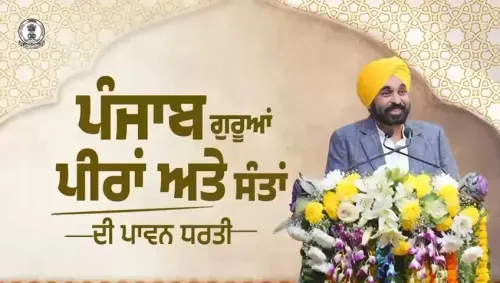
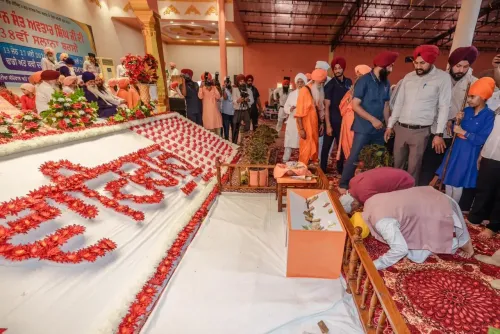
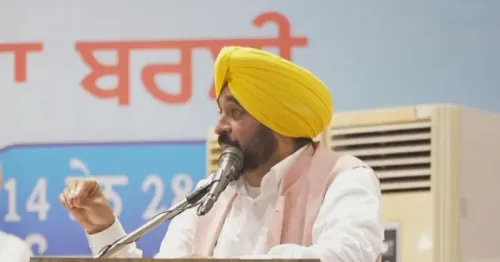
CM Bhagwant Mann Attends Sant Avtar Singh 38th Barsi at Sichewal
Synopsis
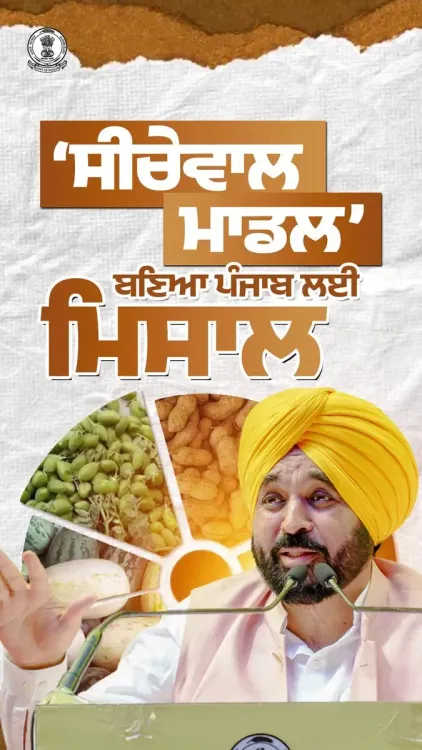
Chief Minister Bhagwant Mann attended the 38th death-anniversary event of Sant Avtar Singh Ji at village Sichewal on 29 May 2026, lauding the 'Sichewal Model' of community-led afforestation as a source of inspiration for the entire state of Punjab.
Key Takeaways
CM Bhagwant Mann attended the 38th barsi of Sant Avtar Singh Ji at village Sichewal on 29 May 2026 .
He described the land as once 'barren and desolate' but now a source of thousands of varieties of saplings for visitors.
The Sichewal Model is rooted in community-driven afforestation and river-cleaning work dating to the 1990s .
The model is closely linked to the cleaning of the Kali Bein rivulet , a landmark environmental initiative in Punjab.
CM Mann called the Sichewal Model an inspiration for all of Punjab , signalling potential state-level replication.
Key stakeholders include rural communities and farmers who access saplings and conservation knowledge from the village.
The Chief Minister's Office of Punjab announced on Friday, 29 May 2026, that Chief Minister Bhagwant Mann attended a commemorative event at village Sichewal dedicated to the 38th death anniversary of Sant Avtar Singh Ji, praising the 'Sichewal Model' as an inspiration for all of Punjab.
Context
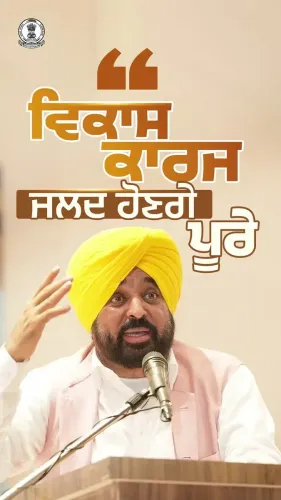
Speaking at the gathering, CM Mann reflected on the transformation of the land around Sichewal. He noted, 'ਇੱਕ ਸਮਾਂ ਸੀ ਜਦੋਂ ਇਹ ਧਰਤੀ ਬੰਜਰ ਅਤੇ ਸੁੰਨੀ ਹੋਇਆ ਕਰਦੀ ਸੀ' ('There was a time when this land was barren and desolate'), but that today people come here and take away thousands of varieties of saplings. The Chief Minister described the 'Sichewal Model' as a living example of what sustained community effort can achieve.
Policy Backdrop
The Sichewal Model traces its roots to environmental work initiated by local spiritual figures from the 1990s onward, most notably the cleaning of the Kali Bein rivulet and large-scale afforestation drives around the village. Sant Avtar Singh Ji was a spiritual leader closely associated with this movement, and annual commemorations at Sichewal have consistently centred on environmental themes. Punjab, a state historically grappling with soil degradation, declining groundwater, and shrinking green cover in rural areas, has periodically held up village-level conservation successes as scalable templates.
Punjab administrations have long positioned community-driven models as alternatives to top-down plantation programmes, arguing that local ownership ensures longevity and genuine ecological impact. The Sichewal initiative stands out because it combined spiritual motivation with practical horticulture, creating a nursery ecosystem that now distributes saplings of thousands of plant varieties to visitors.
Stakeholders and Impact
The primary beneficiaries of the Sichewal Model are rural communities and farmers across Punjab who access saplings and draw on the village's experience in land and water conservation. For the state government, the model offers a ready narrative around citizen-led environmental action at a time when Punjab faces acute pressure on agricultural land quality and river health. CM Mann's presence at the barsi also signals continued political support for community conservation initiatives rooted in Sikh spiritual tradition.
Broader replication of the model across other districts could have measurable implications for Punjab's green cover targets and its ongoing river-rejuvenation efforts, including programmes linked to the Bein and other water bodies.
What's Next
Attention will now turn to whether the state government issues formal notifications or allocates resources to replicate Sichewal-style practices in other districts of Punjab. Integration with existing Punjab greening schemes and river-rejuvenation programmes would be the logical next step following the Chief Minister's public endorsement of the model. Any policy announcement in the weeks following the event will indicate how far the government intends to move beyond symbolism toward structural replication.
Point of View
Spiritually resonant narrative that is difficult for opponents to contest. By publicly elevating the Sichewal Model, Mann is also laying groundwork for a community-driven green policy template that could be deployed across Punjab ahead of future electoral cycles. The move fits a broader pattern in Indian state politics where administrations co-opt successful local initiatives to signal governance competence without committing to the harder structural reforms those initiatives often demand. Whether the endorsement translates into funded, district-level replication will be the real test of intent.
NationPress
14 Oct 2026
Frequently Asked Questions
What is the Sichewal Model in Punjab?
The Sichewal Model refers to a community-led environmental initiative centred on village Sichewal in Punjab, which transformed barren land through sustained afforestation and the cleaning of the Kali Bein rivulet, starting from the 1990s under the inspiration of local spiritual figures including Sant Avtar Singh Ji.
Who was Sant Avtar Singh Ji of Sichewal?
Sant Avtar Singh Ji was a spiritual leader associated with village Sichewal in Punjab whose work inspired large-scale environmental conservation, including tree plantation drives and river-cleaning efforts. His annual death anniversary is marked by events focused on environmental themes.
Why did CM Bhagwant Mann visit Sichewal on 29 May 2026?
CM Bhagwant Mann attended a commemorative event at village Sichewal to mark the 38th death anniversary — barsi — of Sant Avtar Singh Ji, where he spoke about the significance of the Sichewal Model as an inspiration for environmental action across Punjab.
What is the Kali Bein rivulet and its connection to Sichewal?
The Kali Bein is a small river in Punjab whose cleaning became a landmark environmental project associated with Sichewal-area spiritual and community leaders from the 1990s onward. It is a central part of the legacy that the Sichewal Model represents.
Will the Punjab government replicate the Sichewal Model in other districts?
CM Mann's public endorsement of the Sichewal Model suggests the state government may seek to replicate its practices elsewhere, but as of the event on 29 May 2026 no formal policy notification or funding allocation had been announced.