CM Bhagwant Mann Honours 882 NEET Qualifiers from Punjab Govt Schools
Synopsis
Chief Minister Bhagwant Singh Mann honoured students from Punjab government schools who cleared NEET, announcing that 882 such students have qualified so far under the state's Sikhya Kranti education initiative.
Key Takeaways
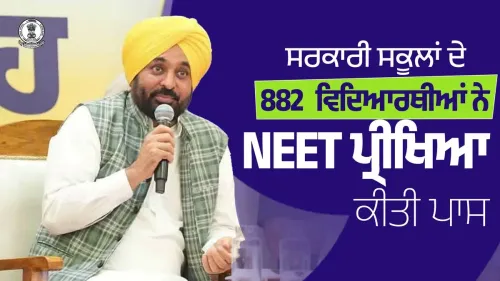
882 students from Punjab government schools have cleared the NEET examination, according to CM Bhagwant Singh Mann.
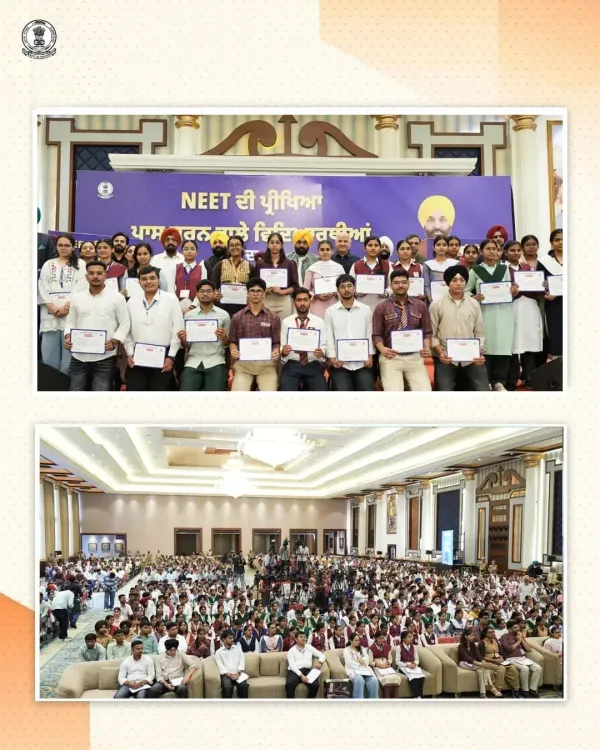
CM Mann personally felicitated the NEET qualifiers at a dedicated honouring ceremony on 26 July 2026 .
The achievement was framed as a milestone under Sikhya Kranti , the AAP government's flagship school-reform programme launched after March 2022 .
The AAP government in Punjab has prioritised replicating Delhi-style school reforms including infrastructure upgrades and teacher training.
NEET pass rates from government schools are increasingly used as outcome benchmarks by state governments across India.
Future NEET and JEE cycles will test whether Punjab's government school reforms produce sustained competitive exam results.
The Chief Minister's Office of Punjab announced on Sunday, 26 July 2026 that Chief Minister Bhagwant Singh Mann personally honoured students from state-run government schools who successfully cleared the NEET (National Eligibility cum Entrance Test) examination, citing the milestone as a marker of the state's ongoing education transformation.
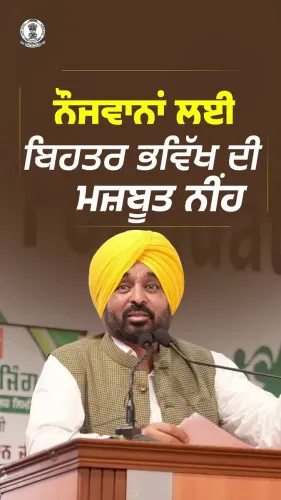
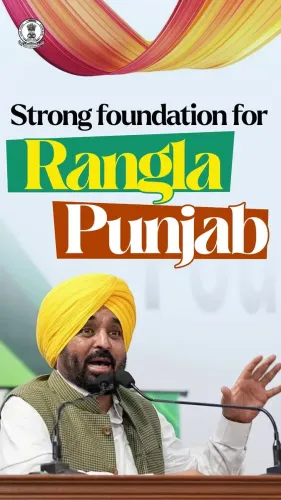
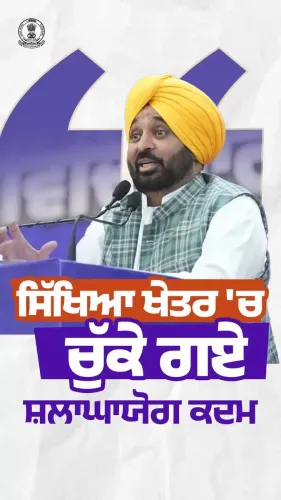
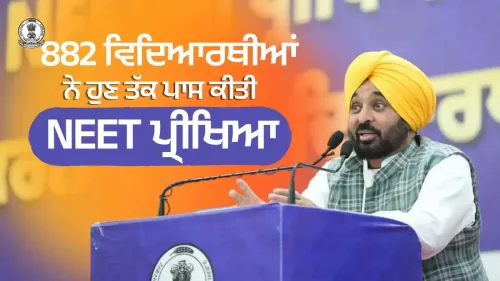
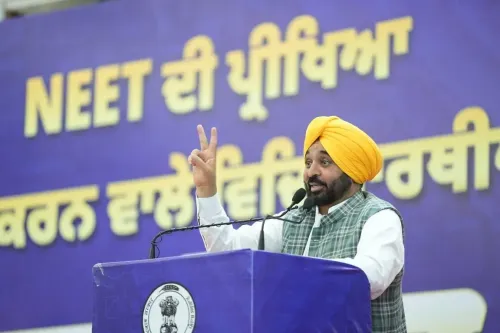
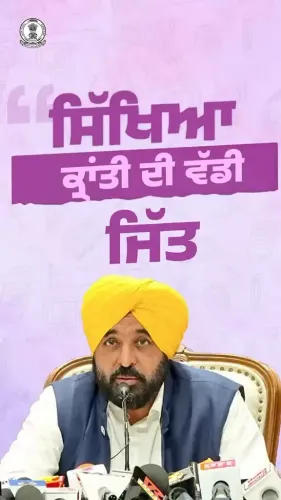
Speaking at the felicitation event, CM Mann stated that 882 students from Punjab's government schools have cleared NEET so far — a figure he described as reinforcing the momentum of the state's flagship Sikhya Kranti ('Education Revolution') programme. The post, shared by the official CMO Punjab account, was accompanied by four images from the ceremony.
Context
The NEET examination is the single national gateway to undergraduate medical admissions across India, making it one of the most competitive assessments that school-level students face. Cracking it from a government school background — where access to private coaching is limited — is widely regarded as a significant achievement. CM Mann's decision to formally honour these students signals the administration's intent to project public schooling as a credible pipeline to professional careers.
Policy Backdrop
The Aam Aadmi Party (AAP) government, which came to power in Punjab in March 2022, entered office with an explicit pledge to replicate in Punjab the school-reform model it had pursued in Delhi — covering infrastructure upgrades, teacher training, and improved learning outcomes. Sikhya Kranti is the umbrella initiative under which these reforms have been consolidated. The 882 NEET qualifiers figure is being presented as concrete, measurable evidence that the reforms are translating into competitive exam success, not just enrolment or infrastructure numbers.
Across India, state governments have increasingly used NEET and JEE pass rates from government schools as political and policy benchmarks, reflecting a broader shift toward outcome-based accountability in public education. Punjab's effort fits within this national pattern, with the added dimension of an AAP administration keen to demonstrate cross-state replicability of its education model.
Stakeholders and Impact
The most immediate beneficiaries are the 882 students themselves, who now hold valid NEET scores and are eligible to compete for undergraduate medical seats in government and private colleges. For the wider pool of students currently enrolled in Punjab government schools, the felicitation event serves as both recognition and motivation. Parents, teachers, and school administrators in rural and semi-urban Punjab — where dependence on expensive private coaching has historically been a barrier — are the secondary stakeholders watching these outcomes.
The numbers also carry political weight: for the AAP government, each NEET qualifier from a state school is a data point in the argument that public investment in schooling can compete with the private sector on merit-based outcomes.
What's Next
Attention will now shift to whether the Punjab government announces dedicated NEET and JEE coaching modules or expanded Sikhya Kranti provisions in the next education budget cycle, building on the current cohort's success. The state's performance in subsequent NEET cycles will be a key indicator of whether the 882-qualifier milestone represents a structural improvement or a one-time surge. Observers will also watch for any formal government announcements on scholarships or fee support for these students as they transition into medical college admissions.
Point of View
CM Mann is building a narrative continuity between the Delhi school-reform brand and its Punjab iteration. The move also subtly challenges the private coaching industry's monopoly on NEET preparation, positioning the state itself as a credible competitor. Whether this milestone translates into sustained institutional reform or remains a headline number will depend on the policy commitments that follow in the next budget.
NationPress
25 Oct 2026
Frequently Asked Questions
How many students from Punjab government schools passed NEET?
According to Chief Minister Bhagwant Singh Mann, 882 students from Punjab's government schools have cleared the NEET examination so far.
What is Sikhya Kranti in Punjab?
Sikhya Kranti ('Education Revolution') is the Punjab government's flagship initiative launched after the AAP came to power in March 2022 , aimed at improving infrastructure, teaching quality, and learning outcomes in state-run schools.
What did CM Bhagwant Mann do for NEET qualifiers from government schools?
CM Bhagwant Singh Mann personally honoured NEET-qualified students from Punjab government schools at a felicitation ceremony and cited their success as evidence of the state's education reforms.
What is NEET and why does it matter for government school students?
NEET (National Eligibility cum Entrance Test) is the national entrance examination for undergraduate medical admissions in India. Clearing it from a government school background is considered significant because such students typically have limited access to expensive private coaching.
What reforms has the AAP government introduced in Punjab schools?
The AAP government in Punjab has pursued infrastructure upgrades, teacher training, and improved learning outcomes under the Sikhya Kranti initiative, modelled on similar reforms it implemented in Delhi .