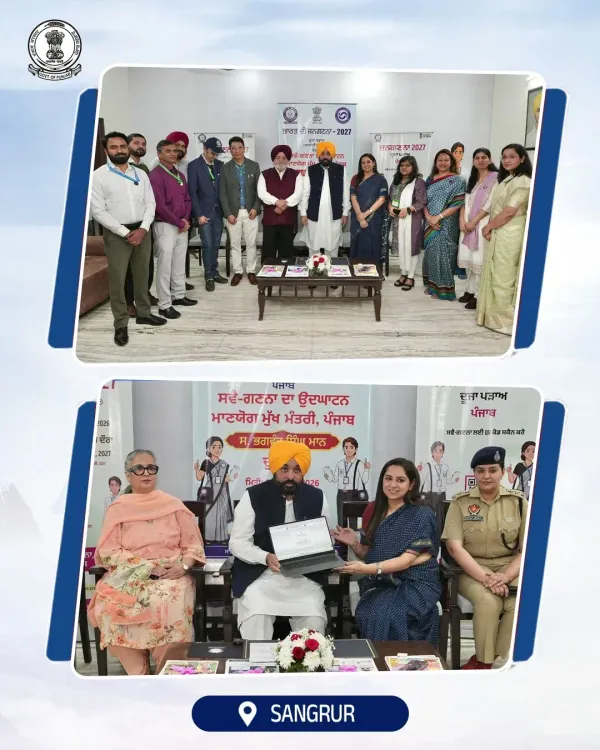
CM Bhagwant Mann joins census self-enumeration in Sangrur
Synopsis
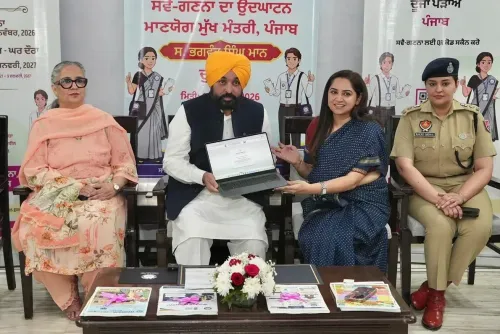
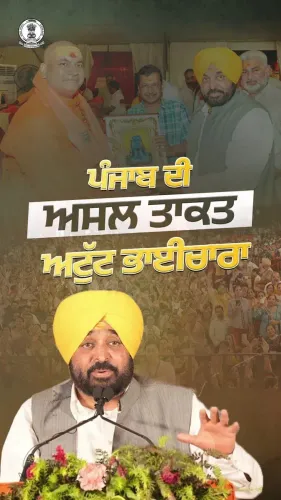
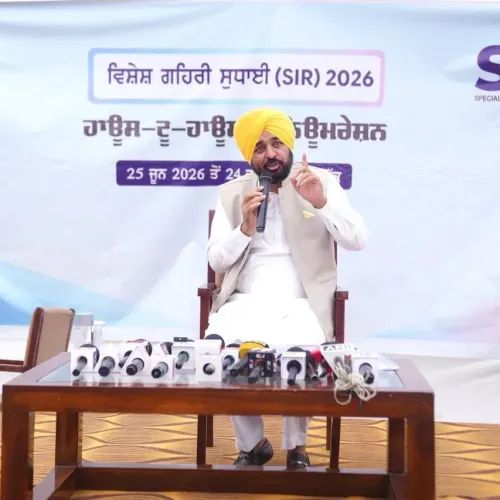
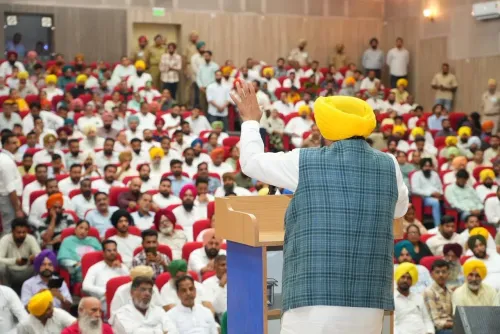
Punjab Chief Minister Bhagwant Mann participated in the census self-enumeration process in Sangrur on 16 November 2026, completing the exercise himself and urging all Punjab residents to actively take part in India's long-delayed decennial headcount.
Key Takeaways
Bhagwant Singh Mann , Chief Minister of Punjab, completed the census self-enumeration process in Sangrur on 16 November 2026 .
Mann urged all citizens to 'actively take part' in what his office called a 'significant national exercise.' India's Census of India 2021 was postponed due to COVID-19; the last completed census was in 2011 , leaving over five years of demographic data gaps.
Census data drives delimitation, welfare scheme targeting, and central fund allocation — making participation directly consequential for Punjab residents.
The self-enumeration component marks a move toward digital reporting in an exercise that has traditionally been conducted door-to-door.
Mann's AAP government has led Punjab since March 2022 , with a governance agenda that relies on accurate population-level data.
India's long-delayed census has a new, visible champion: Punjab Chief Minister Bhagwant Singh Mann stepped into the self-enumeration queue in Sangrur on Monday, 16 November 2026, completing the process himself and calling on every Punjabi household to follow suit in what his office described as a 'significant national exercise.'
The Chief Minister's Office of Punjab shared the moment on X, posting in both Punjabi and English: 'ਪੰਜਾਬ ਦੇ ਮੁੱਖ ਮੰਤਰੀ ਭਗਵੰਤ ਸਿੰਘ ਮਾਨ ਨੇ ਸੰਗਰੂਰ ਵਿਖੇ ਜਨਗਣਨਾ ਦੀ ਸਵੈ-ਗਣਨਾ ਪ੍ਰਕਿਰਿਆ ਵਿੱਚ ਹਿੱਸਾ ਲਿਆ' — 'Punjab Chief Minister Bhagwant Mann participated in the self-enumeration process of the Census in Sangrur.' The appeal to citizens to 'actively take part' was front and centre.Why Sangrur, and why now
Sangrur is Mann's own political home ground — a district he represented in Parliament before becoming Chief Minister — making his choice of location a deliberate signal, not a random administrative stop. By filling in his own census data there, he anchored the message in personal accountability: if the CM can do it in his own backyard, so can you. The backdrop matters enormously. India's Census of India 2021 — mandated under the Census Act, 1948 and originally scheduled to begin in 2020 — was postponed due to the COVID-19 pandemic, making it the first Indian census to be significantly delayed since the decennial exercise began. The last fully completed count was the Census of India 2011. After roughly five years of data vacuum, the country is now navigating an enumeration round with a self-reporting digital component, a first-of-its-kind step toward modernising what has historically been an entirely door-to-door, paper-based operation.What hangs on the headcount
This is not a bureaucratic formality. India's census underpins delimitation of parliamentary and assembly constituencies, targeting of welfare programmes — from ration cards to housing schemes — and the allocation of central funds to states. A delayed or under-reported census means years of policy decisions made on stale, 2011-era numbers. For Punjab, a state running flagship AAP schemes on education, health, and power subsidies, accurate population data directly determines how many beneficiaries those schemes can officially reach and how much central support the state can claim. State governments coordinate directly with the Registrar General of India on enumeration drives, and visible participation by senior leaders is a standard mobilisation tool. Mann's personal appearance in Sangrur puts that coordination on the record — and puts public pressure on citizens who might otherwise defer or ignore the process.Mann's AAP government and the census push
Bhagwant Singh Mann has led the Aam Aadmi Party government in Punjab since March 2022, winning a landslide on promises of governance reform and direct-delivery welfare. Championing a census drive fits neatly within AAP's broader data-driven governance pitch: you cannot fix what you cannot count. The self-enumeration format — which shifts initial data-entry responsibility to households rather than enumerators — is also an opportunity for the state to demonstrate digital-readiness among its citizens. The numbers collected over the coming weeks will shape Punjab — and India — for the next decade. Mann just made sure his district went first.Point of View
Which has staked its identity on transparent, data-backed delivery of welfare, a thorough headcount is not incidental but foundational: welfare rolls, subsidy claims, and eventual delimitation all depend on the numbers collected now. The move also quietly reinforces the Centre-state coordination narrative — Punjab AAP being seen as a constructive partner on a Union government-led constitutional exercise, even amid political tensions elsewhere. Watch whether Punjab's enumeration coverage rate becomes a benchmark AAP cites in its national political messaging.
NationPress
16 Nov 2026
Frequently Asked Questions
What is the census self-enumeration process in India?
Census self-enumeration allows households to fill in their own demographic and socio-economic data — typically through a digital portal — rather than waiting for a government enumerator to visit. It is part of India's effort to modernise the decennial Census of India.
Why has the India Census 2021 been delayed?
The Census of India 2021 was postponed due to the COVID-19 pandemic, which disrupted the door-to-door fieldwork scheduled to begin in 2020. It remains the first significant delay in India's decennial census since the exercise was formalised under the Census Act, 1948.
Where did Bhagwant Mann participate in the census self-enumeration?
Chief Minister Bhagwant Singh Mann participated in the census self-enumeration process in Sangrur, a district in Punjab and his own political constituency, on 16 November 2026.
Why does the census matter for Punjab residents?
Census data determines delimitation of constituencies, eligibility lists for welfare schemes such as ration cards and housing, and the amount of central government funds allocated to Punjab. Accurate data directly affects how many people the state's programmes can officially reach.
When did Bhagwant Mann become Chief Minister of Punjab?
Bhagwant Singh Mann became Chief Minister of Punjab in March 2022, leading the Aam Aadmi Party to a sweeping victory in the state assembly elections.