CM Mann's Punjab Scheme Reaches 33 Lakh Women via DBT
Synopsis
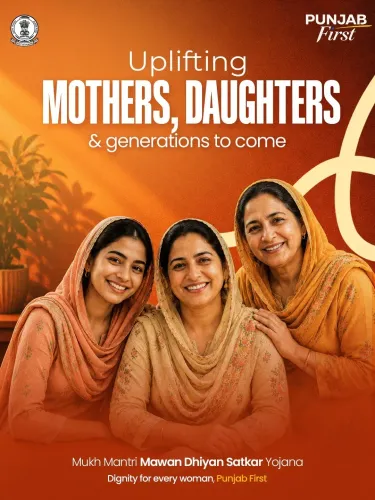
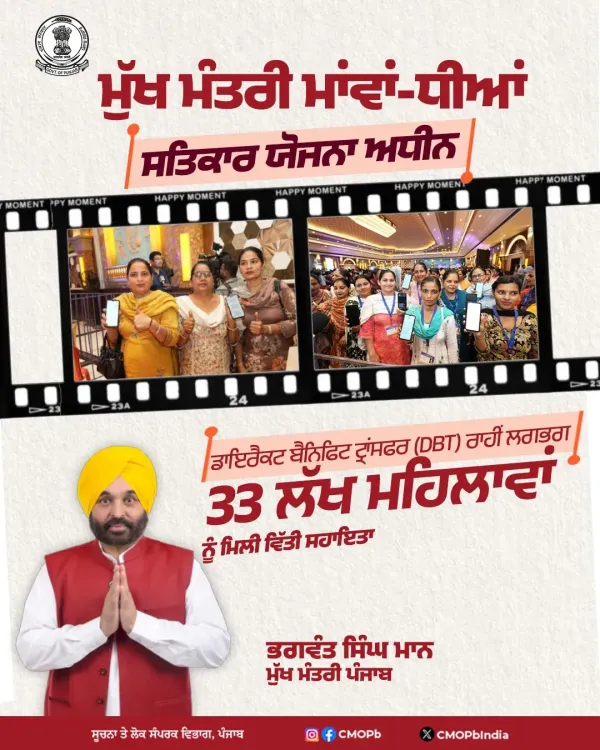
The Chief Minister's Office of Punjab says about 33 lakh women have received direct cash transfers under the Mukh Mantri Mawan-Dhiyan Satkar Yojana, a scheme by CM Bhagwant Mann aimed at easing daily financial hardship for mothers and daughters across the state.
Key Takeaways
Approximately 33 lakh women in Punjab have received financial assistance under the Mukh Mantri Mawan-Dhiyan Satkar Yojana .
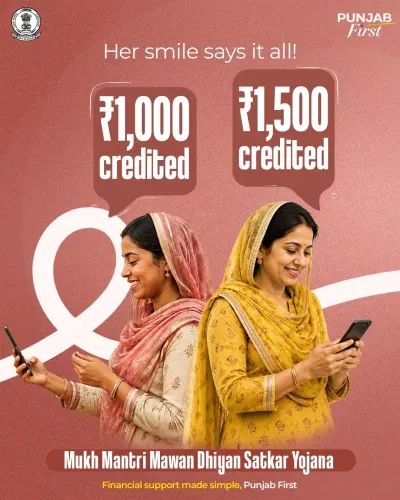
Funds are delivered through Direct Benefit Transfer (DBT) , crediting amounts directly into beneficiaries' bank accounts.
The scheme was launched by Chief Minister Bhagwant Singh Mann , who has led Punjab since March 2022 .
The scheme targets women as mothers and daughters, aiming to relieve day-to-day financial difficulties in households.
Punjab's approach mirrors a broader Indian trend of state-level gender-targeted cash transfer programmes using DBT infrastructure.
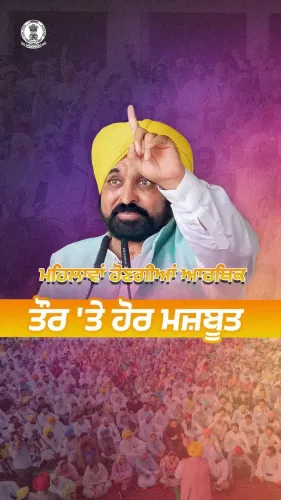
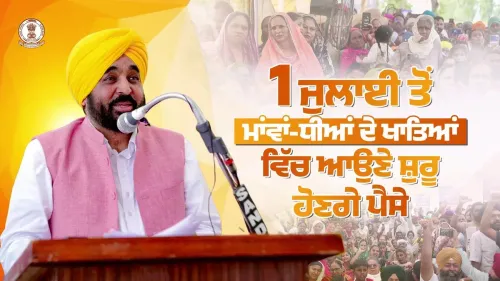
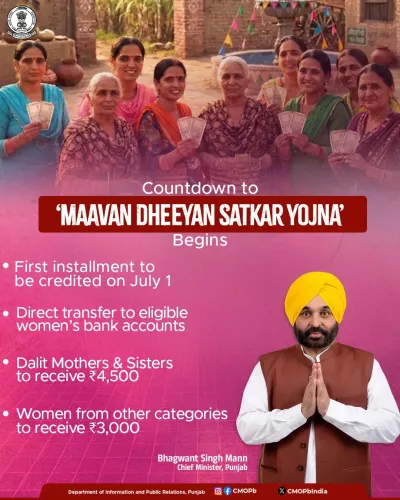
The Chief Minister's Office of Punjab announced on Tuesday, 14 July 2026 that approximately 33 lakh women across the state have received financial assistance under the Mukh Mantri Mawan-Dhiyan Satkar Yojana, a scheme launched by Chief Minister Bhagwant Singh Mann to provide direct cash support to mothers and daughters in Punjab.
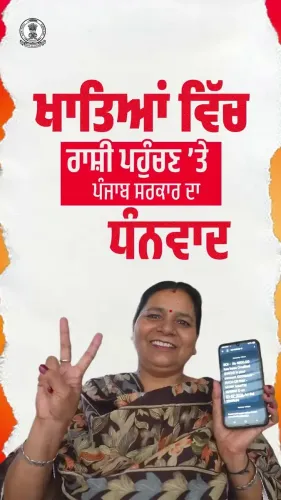
The official post stated in Punjabi: 'ਇਸ ਸਹਾਇਤਾ ਨਾਲ ਲਾਭਪਾਤਰੀਆਂ ਨੂੰ ਰੋਜ਼ਾਨਾ ਦੀਆਂ ਵਿੱਤੀ ਦਿੱਕਤਾਂ ਤੋਂ ਰਾਹਤ ਮਿਲੀ ਹੈ' ['This assistance has provided relief to beneficiaries from daily financial difficulties']. The funds have been routed through Direct Benefit Transfer (DBT), the central government's mechanism for crediting welfare amounts directly into verified bank accounts.
Context
Bhagwant Singh Mann has been Chief Minister of Punjab since March 2022, when the Aam Aadmi Party came to power in the state. The Mukh Mantri Mawan-Dhiyan Satkar Yojana — whose name translates broadly as the 'Chief Minister's Scheme for Honouring Mothers and Daughters' — is one of several gender-targeted welfare programmes the state government has introduced since taking office. The scheme's stated aim is to ease household liquidity pressures faced by women, particularly in lower-income families.Policy Backdrop
The use of DBT rails for welfare delivery has become a standard practice across Indian states since the early 2020s, designed to cut out intermediaries and reduce leakage of public funds. Punjab's approach mirrors a broader national trend in which state governments — especially those elected after 2022 — have expanded gender-targeted cash transfer programmes as a core plank of social policy. Unlike in-kind support such as ration distribution, direct cash transfers give beneficiaries flexibility to address their own household priorities. The scheme fits within a wider pattern of state-level welfare expansion that has accelerated across multiple Indian states in recent years.Stakeholders and Impact
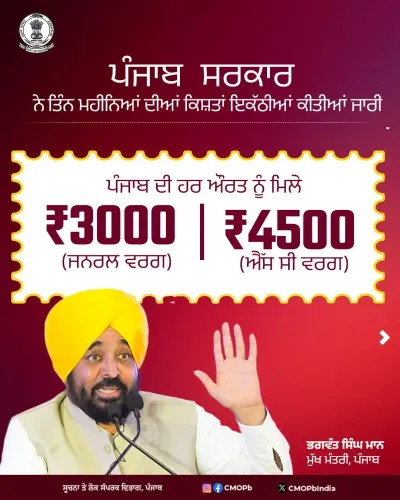
The primary beneficiaries are women identified as mothers and daughters within Punjab households. With approximately 33 lakh women reported to have received assistance, the scheme represents a significant reach within the state's population. For many recipient households, the transfer is intended to provide relief from day-to-day financial stress rather than serve as a long-term income replacement. Civil society observers and budget analysts have noted that the effectiveness of such schemes ultimately depends on the adequacy of the transfer amount and the regularity of disbursement — details that the state government has not specified in this announcement.What's Next
The state government is expected to detail the scheme's financial outlay in forthcoming budget documents, which will indicate the annual allocation and the per-beneficiary transfer amount. Independent evaluations of household-level outcomes — including whether the transfers have meaningfully improved financial security for women in Punjab — remain an area to watch. Expansion of the beneficiary base and any revisions to eligibility criteria are also likely to feature in future policy announcements from the Chief Minister's Office of Punjab.Point of View
Mirroring similar moves by rival state governments across India. By publicising a beneficiary count of 33 lakh, the Chief Minister's Office is signalling both scale and administrative delivery capacity ahead of future electoral cycles. The reliance on DBT infrastructure also reflects a broader convergence between state welfare ambitions and central government digital payment rails. The scheme's long-term credibility, however, will hinge on independently verified data on transfer amounts, frequency, and measurable household outcomes.
NationPress
14 Jul 2026
Frequently Asked Questions
What is the Mukh Mantri Mawan-Dhiyan Satkar Yojana?
The Mukh Mantri Mawan-Dhiyan Satkar Yojana is a Punjab government scheme launched by Chief Minister Bhagwant Singh Mann to provide direct financial assistance to women — specifically mothers and daughters — through Direct Benefit Transfer to ease daily financial difficulties.
How many women have benefited from the Punjab women's scheme?
According to the Chief Minister's Office of Punjab, approximately 33 lakh women have received financial assistance under the scheme as of July 2026.
How is the financial assistance delivered under the Punjab scheme?
The assistance is delivered through Direct Benefit Transfer (DBT), which credits funds directly into the verified bank accounts of eligible women beneficiaries, reducing the risk of leakage or delays.
Who launched the Mukh Mantri Mawan-Dhiyan Satkar Yojana?
The scheme was launched by Punjab Chief Minister Bhagwant Singh Mann, who has led the state since March 2022 under the Aam Aadmi Party government.
What is DBT and why does Punjab use it for welfare schemes?
Direct Benefit Transfer (DBT) is a central government mechanism that routes welfare payments directly into beneficiaries' bank accounts. Punjab uses it to ensure funds reach women without intermediaries, improving transparency and reducing leakage.