CM Mohan Yadav Calls India World's Youngest Nation at Gwalior Youth Forum
Synopsis
Chief Minister Dr. Mohan Yadav addressed a youth forum in Gwalior on November 20, 2026, declaring India the world's youngest nation and urging youth to embrace new thinking and new resolve to face future challenges. The event reflects Madhya Pradesh's broader push to channel India's demographic dividend into tangible skilling and civic outcomes.
Key Takeaways
Mohan Yadav addressed a youth forum in Gwalior on November 20, 2026 .
He described India as 'the world's youngest nation' and called for 'new resolutions and new thinking' to meet future challenges.
The forum was characterised by the CM as 'an important platform to give youth a new direction.' Dr.
Yadav has held education and culture portfolios and became Chief Minister of Madhya Pradesh in December 2023 .
Madhya Pradesh has run multiple youth skilling and entrepreneurship initiatives since 2020 , with Gwalior regularly hosting state-level youth events.
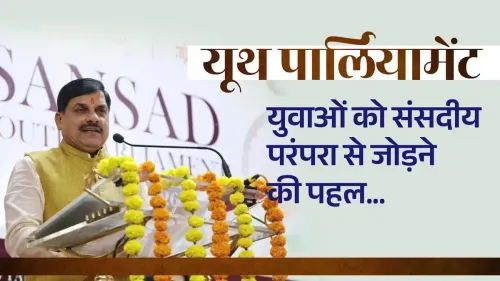
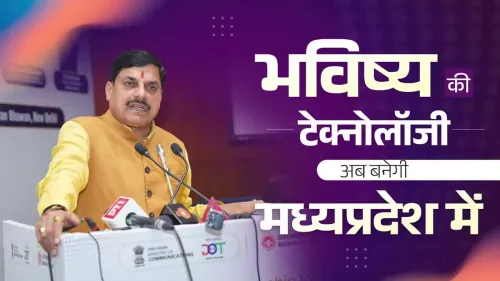
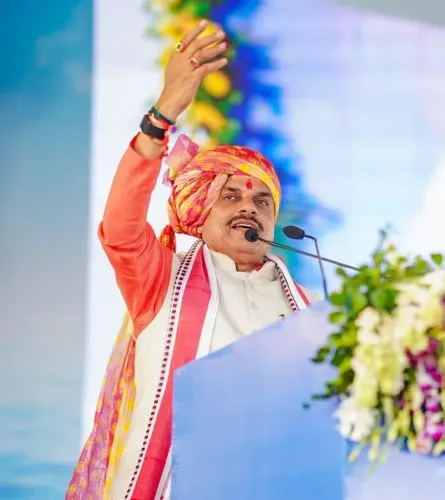
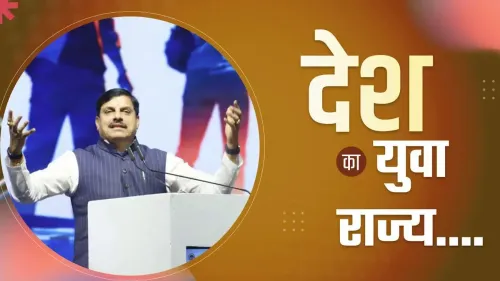
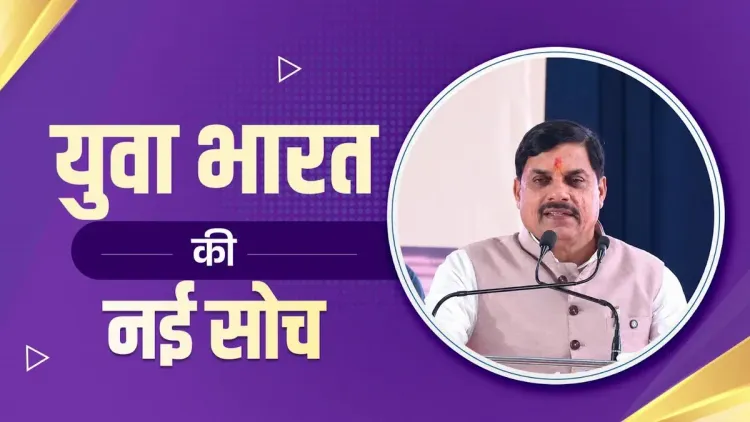
India's demographic dividend is not just a statistic — it is a responsibility. Speaking at a youth forum in Gwalior on Friday, November 20, 2026, Madhya Pradesh Chief Minister Dr. Mohan Yadav declared India the world's youngest country and called on its youth to meet the challenges of the future with fresh resolve and new thinking.
Addressing the gathering, CM Dr. Yadav said: 'India is the world's youngest nation. We must stay prepared for the challenges of the future with new resolutions and new thinking. This forum is an important platform to give youth a new direction.' The remarks, delivered in Hindi, framed the event not as a ceremonial exercise but as a strategic necessity for a country whose median age sits well below the global average.
Why Gwalior, Why Now
Gwalior, a historic city in northern Madhya Pradesh, has regularly served as a venue for the state government's youth and education outreach. The choice underlines an effort to distribute such momentum beyond Bhopal, ensuring that youth in the state's northern belt — with its dense student and young-worker population — are drawn into the broader policy conversation. Madhya Pradesh has run a series of skilling and entrepreneurship drives since 2020, and forums like this one sit squarely in that continuum.
India's Youth Dividend — Asset or Pressure Point?
India's working-age population is the largest it has ever been, a window that demographers say will begin narrowing within two decades. The National Youth Policy 2014 laid the foundational framework for engaging the 15-29 age group through skilling, civic participation, and innovation — but implementation has always been uneven across states. Dr. Yadav, who held education and culture portfolios before becoming Chief Minister in December 2023, has consistently positioned youth mobilisation as a core governance theme for Madhya Pradesh.
The 'new thinking' framing is deliberate. Indian states have increasingly used youth forums to address technological and economic disruption — from artificial intelligence entering the jobs market to the rapid formalisation of gig work — challenges that standard curricula have yet to fully absorb. A rhetorical push from a sitting Chief Minister lends political weight to what can otherwise remain bureaucratic programming.
What Follows the Forum
The immediate watch-point is whether the Gwalior event produces concrete follow-through: new skill centres, expanded scholarships, or dedicated youth councils in the Gwalior division. Speeches that announce intent without a next step fade fast. The CM's framing of the forum as 'an important platform to give youth a new direction' sets an expectation — and India's young are increasingly adept at holding political leaders to it.
Point of View
The CM preserves political flexibility while signalling responsiveness to youth concerns. The choice of Gwalior — a city with political salience in northern Madhya Pradesh — also carries electoral geography undertones. Whether the forum translates into measurable policy output will determine whether this is governance or optics.
NationPress
20 Nov 2026
Frequently Asked Questions
What did CM Mohan Yadav say at the Gwalior youth forum?
CM Dr. Mohan Yadav said India is the world's youngest nation and called on youth to prepare for future challenges with new resolutions and new thinking, describing the forum as an important platform for giving youth a new direction.
Where was the youth forum held?
The forum was held in Gwalior, a historic city in northern Madhya Pradesh, on November 20, 2026.
Who is Dr. Mohan Yadav?
Dr. Mohan Yadav is the Chief Minister of Madhya Pradesh, a position he has held since December 2023. He previously served in state education and culture portfolios.
What is India's youth policy framework?
India's National Youth Policy 2014 provides the foundational framework for engaging the 15-29 age group through skilling, civic participation, and innovation, with individual states running their own complementary programmes.
What youth initiatives has Madhya Pradesh launched?
Madhya Pradesh has run multiple youth skilling and entrepreneurship initiatives since 2020, using forums and state-level events to align youth with national schemes and state-specific guidance.